
The Most Popular GPS Games And Location-based Game Picks For 2026


Some of the best GPS games turn an ordinary walk into progress on a map, a quest, or a creature hunt. That is the appeal in simple terms. You move through the real world, the game reads your position through the Global Positioning System, and new actions appear based on where you are. A GPS game uses your live position as part of the rules, while a broader location-based game may lean more on check-ins or proximity triggers. If you want to know how GPS gaming works, which titles still matter in 2026, and how to start playing, the shortlist below covers the standouts without the usual clutter.
At the technical level, these games rely on geopositioning, map data, and sensor input from your phone. In practice, that means your route, your speed, and your nearby landmarks become part of the gameplay. I tend to read good location systems the way I read GIS layers - the map matters, but the quality of the placement matters more.
Across iOS and Android, most of these titles are easy to install from the App Store or Google Play, though a few have regional limits or a steeper learning curve. Some focus on collecting, while others lean toward walking or strategy. The best one for you depends less on hype and more on the kind of Mobile game loop you actually enjoy.
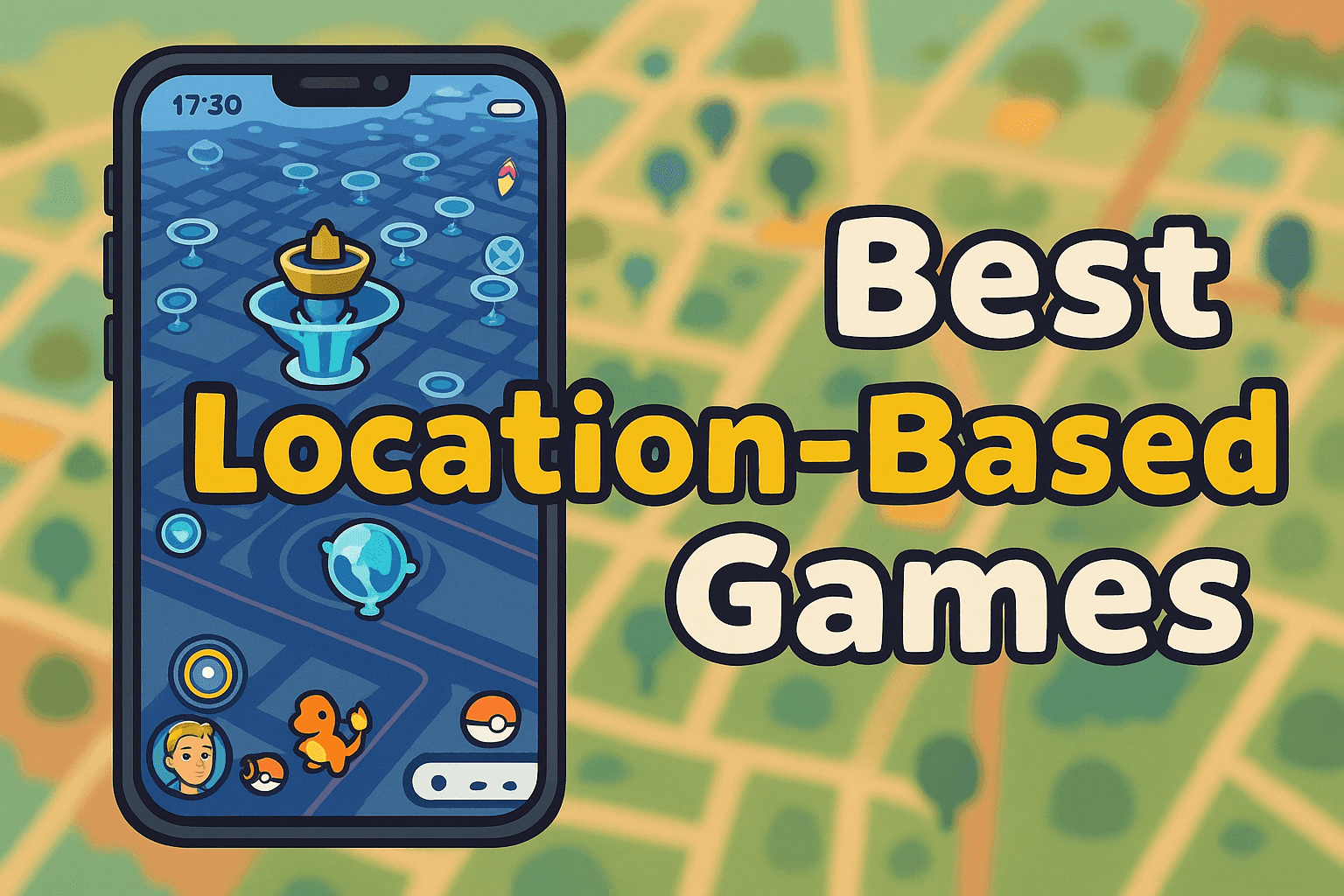
How Location-Based Gaming Works
A location-based game uses GPS data to tie in-game activity to your physical position. When you walk to a park, cross a downtown block, or reach a landmark, the app checks that location and unlocks something relevant. That might be a battle or a quest marker.
Most GPS games combine mapping with background motion tracking. Some add AR visuals, while others keep the screen simple and let the map layer do the work. From what I have seen, the strongest designs do not depend on flashy effects. They depend on stable positioning and a loop that makes movement feel worthwhile.
Top Picks for 2026
A lot of well-known location titles faded out over the last several years. Games such as Harry Potter: Wizards Unite and The Walking Dead: Our World did not last, which makes the remaining field more interesting. The games below have either held their audience or kept enough momentum to stay relevant in 2026.
If I had to pick the strongest pure geolocation experience, Geocaching still sits at the top. My criteria here are longevity and active use, with a close look at how well each game still turns movement into meaningful play.
| Game Title | Downloads | Release Year | Score |
|---|---|---|---|
| Geocaching | 10 million+ | 2000 | Top-tier |
| Orna RPG | 1 million+ | 2018 | Very strong |
| ZXR: Zombies Run | 10 million+ | 2012 | Very strong |
| Dragon Quest Walk | 15 million+ | 2019 | Very strong |
| Pokémon Go | 1 billion+ | 2016 | Very strong |
| Pikmin Bloom | 12 million+ | 2021 | Very strong |
| Jurassic World Alive | 10 million+ | 2018 | Solid |
| Ingress Prime | 10 million+ | 2018 | Solid |
| Draconius GO | 1 million+ | 2019 | Solid |
| Turf Wars | 100,000+ | 2010 | Modest |
| Game Title | Status | Platform | Region |
| Harry Potter: Wizards Unite | Discontinued | iOS and Android | Global |
| The Walking Dead: Our World | Discontinued | iOS and Android | Global |
| Dragon Quest Walk | Active | iOS and Android | Japan only |
1 Geocaching
Gameplay- Search for hidden containers and log your finds using GPS coordinates.
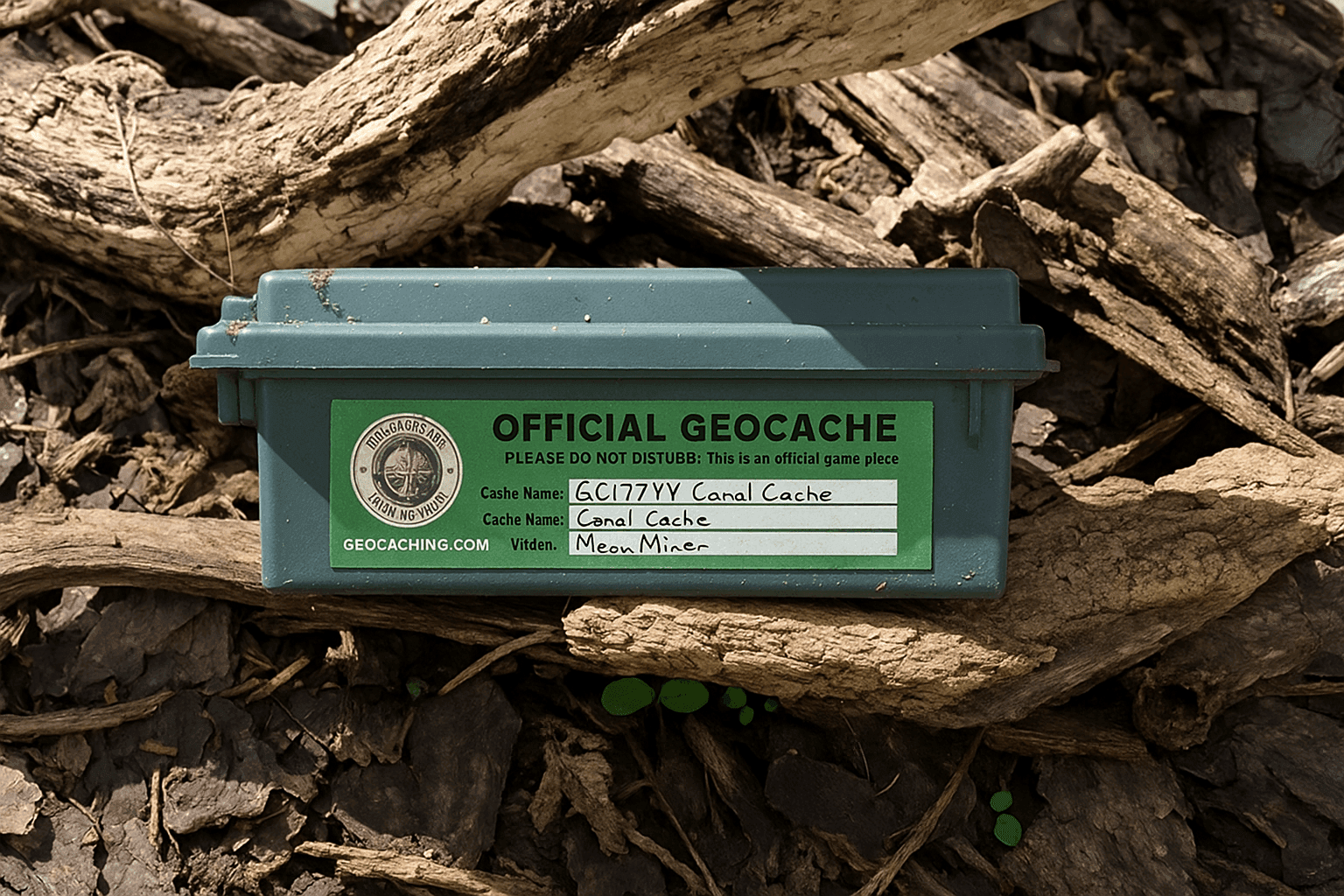
Geocaching is the original benchmark for this category. Long before Niantic, Inc. helped popularize mainstream map-based play, people were already using coordinates to locate real containers tucked into parks or urban corners. That physical layer gives it a very different feel from a digital creature hunt.
It has also aged well. Even in 2026, dedicated players are still hiding clever caches and recording discoveries with a seriousness that reminds me of old field survey work.
| Strengths | Weaknesses |
|---|---|
| Excellent for real exploration and broad global coverage | Quality can vary by area, and some caches need upkeep |
Geocaching stays active in 2026, uses a free entry model with premium membership options, and relies more on physical presence than aggressive anti-spoofing systems.
Why It Still Holds Up
- It stays focused on GPS exploration without bloated systems.
- The worldwide cache network gives it depth almost everywhere.
- Monetization stays lighter than many modern AR titles.
- It pushes real exploration instead of constant screen attention.
- Community events still keep the map active.
- Its 25th anniversary in 2025 reinforced how durable the format is.
2 Orna RPG
Gameplay- Roam a retro RPG world that mirrors your real location.
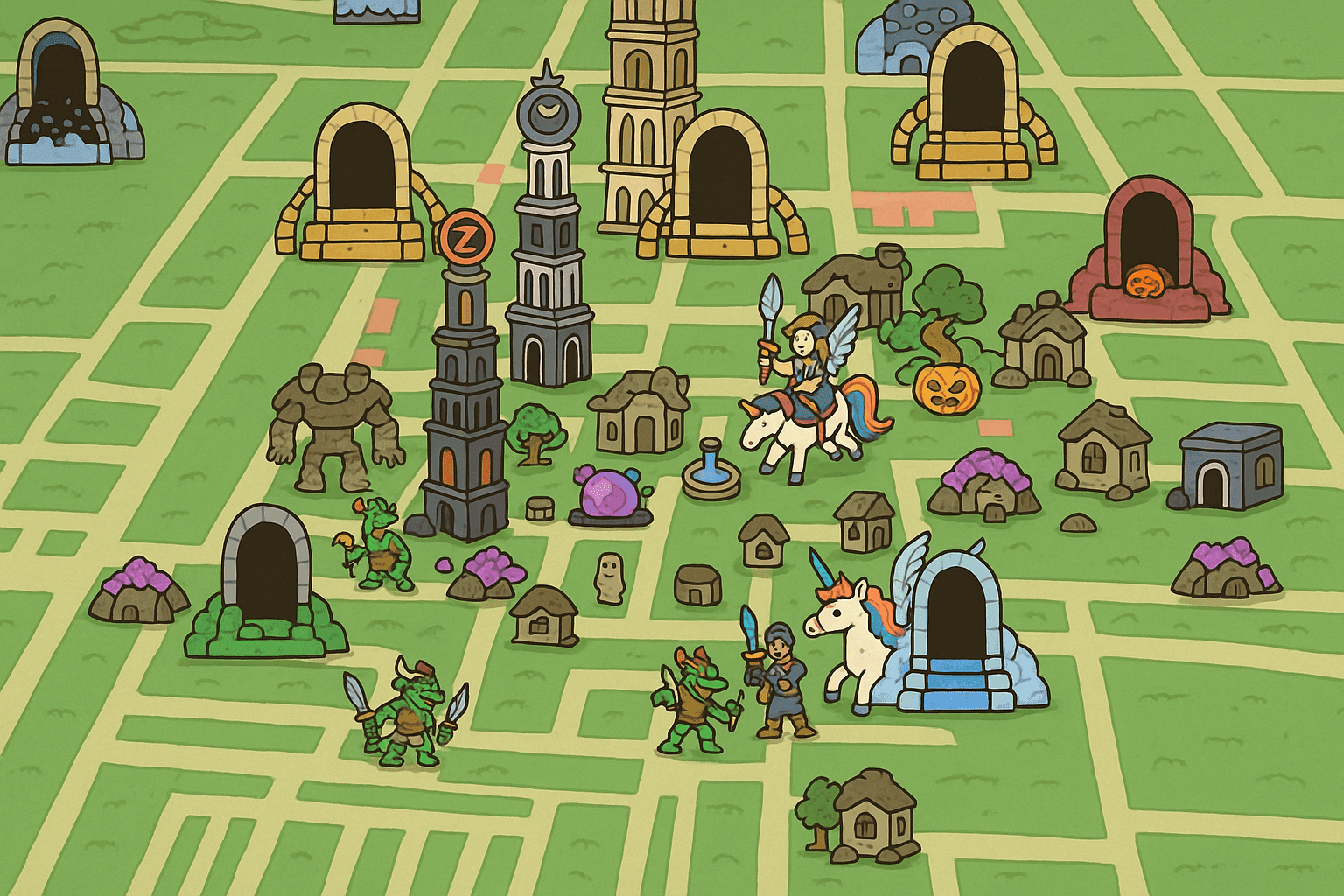
Orna RPG is one of the more interesting hybrids on this list. It uses location data as a framework for battles and long-term progression, while the core feel remains closer to a classic role-playing game than a typical AR app.
It can be grind-heavy, and fans usually say that with pride. Still, if you value depth and fair systems, Orna is easy to respect. In my own reading of the progression loop, it feels like a map overlay built for patience rather than quick rewards.
| Strengths | Weaknesses |
|---|---|
| Deep RPG systems with fair progression | The grind can be heavy, and early pacing may feel slow |
Orna RPG remains active in 2026, keeps monetization relatively restrained, and has a reputation for taking location integrity seriously without making anti-spoofing the center of the experience.
Why It Still Holds Up
- No ads and no obvious pay-to-win pressure.
- Its RPG mechanics have real depth.
- Movement affects progression in a meaningful way.
- The developers still update it regularly.
- The player community tends to value fairness.
- It rewards long sessions over quick novelty.
3 ZXR: Zombies Run
Gameplay- Finish missions while running and escaping zombie threats.
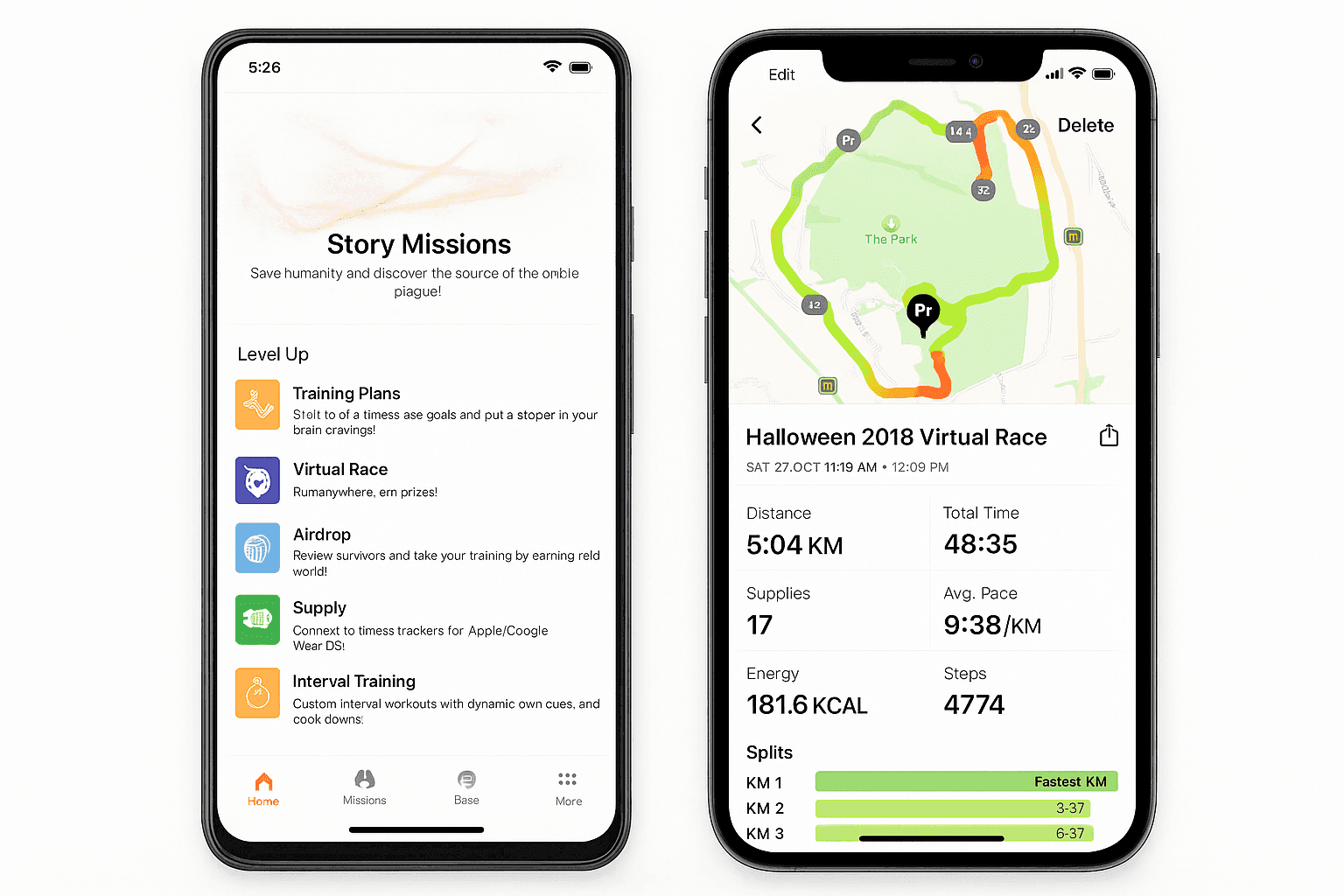
Zombies, Run! feels closer to an audio mission system than a conventional game at first. The story unfolds through your headphones while movement controls the pace, which makes exercise feel tied to narrative instead of a checklist.
That structure still works because the app knows when to stay out of the way. The GPS side is practical rather than flashy, and the immersion comes from pacing and voice work more than visual AR tricks.
Why It Still Holds Up
- Its episodic audio writing remains the main draw.
- It motivates regular movement without feeling like a fitness tracker.
- The pacing responds well to walking or running speed.
- Immersion matters more here than spectacle.
- The fan base stayed loyal through ownership changes in early 2025.
- User ratings have remained strong for years.
Some Android users still report GPS syncing issues with wearables.
4 Dragon Quest Walk
Gameplay- Walk outside to trigger quests and turn-based battles.
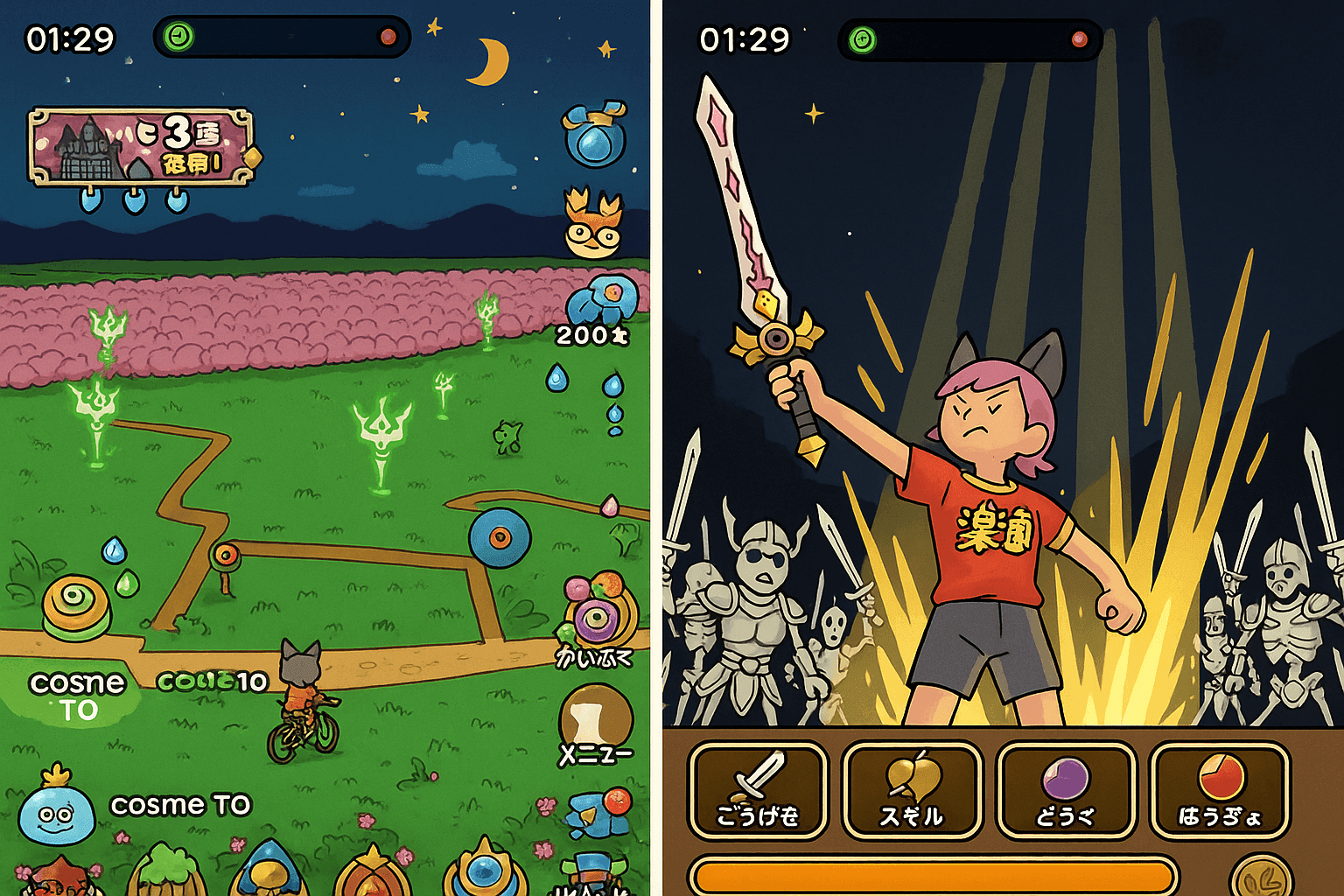
Dragon Quest Walk is among the most polished entries in the category. In Japan, it has often matched or exceeded the goodwill earned by Pokémon Go, largely because its systems feel deliberate and well integrated.
It blends traditional RPG combat with location mechanics in a clean way. After a few minutes of watching footage and checking user impressions, the interface struck me as unusually mature for this genre.
Why It Still Holds Up
- The storytelling fits the Dragon Quest identity well.
- Combat rewards planning more than frantic tapping.
- Its map integration is refined.
- Seasonal content keeps the loop fresh.
- Single-player progression feels satisfying.
- Its audience in Japan remains highly committed.
Dragon Quest Walk is limited to Japan. Spawns do not appear outside that region, and there is still no official English version.
5 Pokémon Go
Gameplay- Catch Pokémon and fight for gyms by moving through real locations.
Pokémon Go remains the biggest name in this space. Few games have matched its reach, and few have created such a broad social layer around walking, raids, and timed events. For casual play, it is still one of the easiest starting points.
Its weaknesses are well known too. Many players still object to heavy monetization and frequent ticketed content. The result is a game with huge momentum and a more complicated reputation than its download numbers suggest.
| Strengths | Weaknesses |
|---|---|
| Huge player base and easy entry point | Heavy monetization and stricter account enforcement frustrate some players |
Pokémon Go is active in 2026, uses free-to-play monetization with many paid extras, and is one of the stricter titles on spoofing enforcement.
Why It Still Holds Up
- Its global player base is still unmatched.
- Community Days remain a strong hook.
- Raids and trading keep the social loop alive.
- Content updates arrive often enough to maintain interest.
- New players can still understand the basics quickly.
6 Pikmin Bloom
Gameplay- Grow Pikmin and collect them while tracking daily walking.
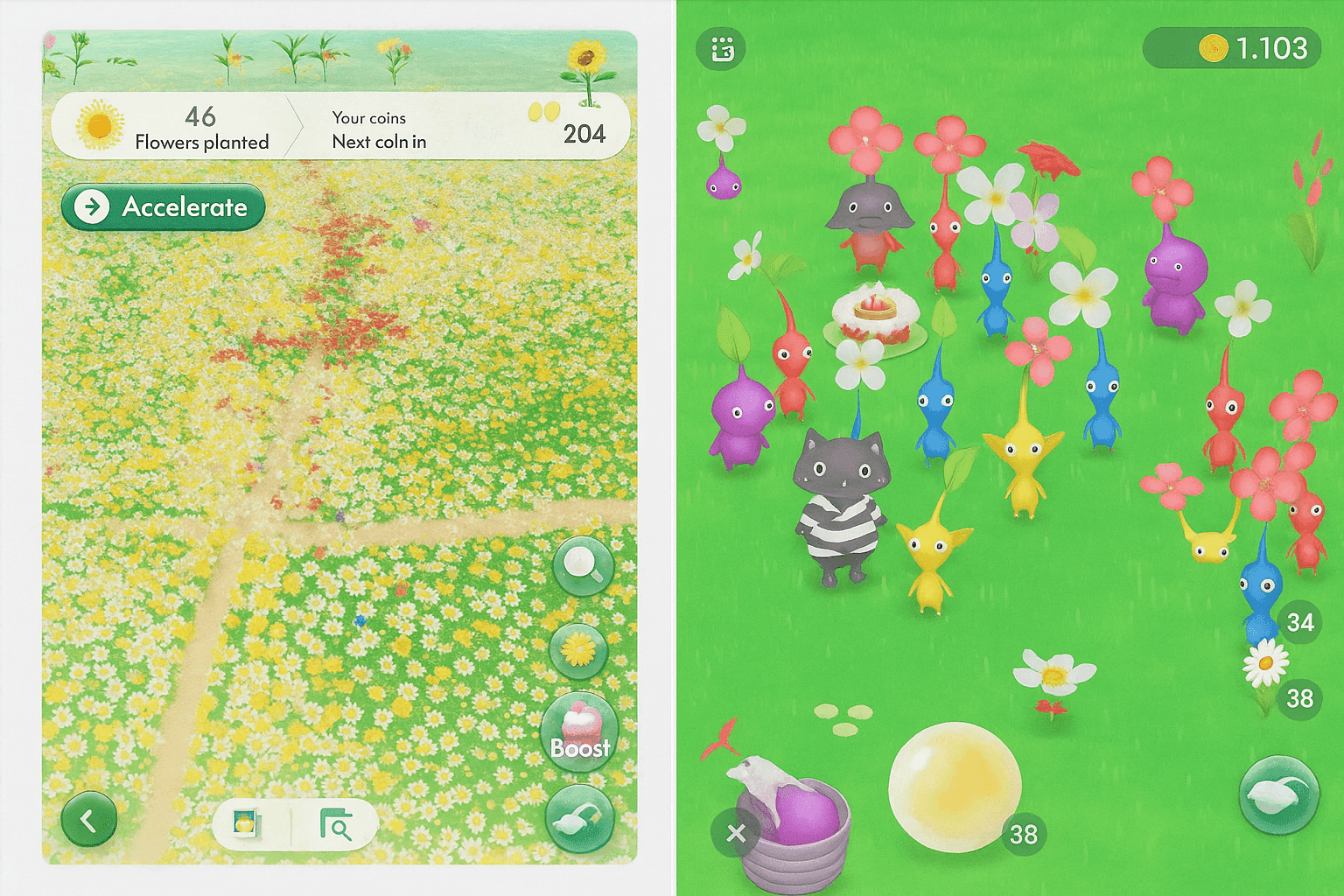
Pikmin Bloom takes a softer approach than most GPS games. Instead of pushing battles or territorial play, it turns your daily route into a quiet progress journal with small rewards and a very light touch.
That lower-pressure design is exactly why many players stick with it. The tradeoff is repetition over time. If you want a wellness companion with game elements, Pikmin Bloom fits nicely. If you want tension or strategy, it may feel too gentle.
| Strengths | Weaknesses |
|---|---|
| Relaxed walking loop with low pressure | Can feel repetitive, and the systems stay fairly light |
Pikmin Bloom is active in 2026, stays free to start with optional purchases, and uses location checks that are usually milder than Pokémon Go but still relevant.
Why It Still Holds Up
- The art style feels relaxed and inviting.
- Walking rewards are easy to understand.
- Its mechanics are simple from the first session.
- It works well as a casual daily habit.
- Outdoor activity feels encouraged rather than forced.
- It suits players who want a calm routine.
7 Jurassic World Alive
Gameplay- Find dinosaurs on the map and battle with them.
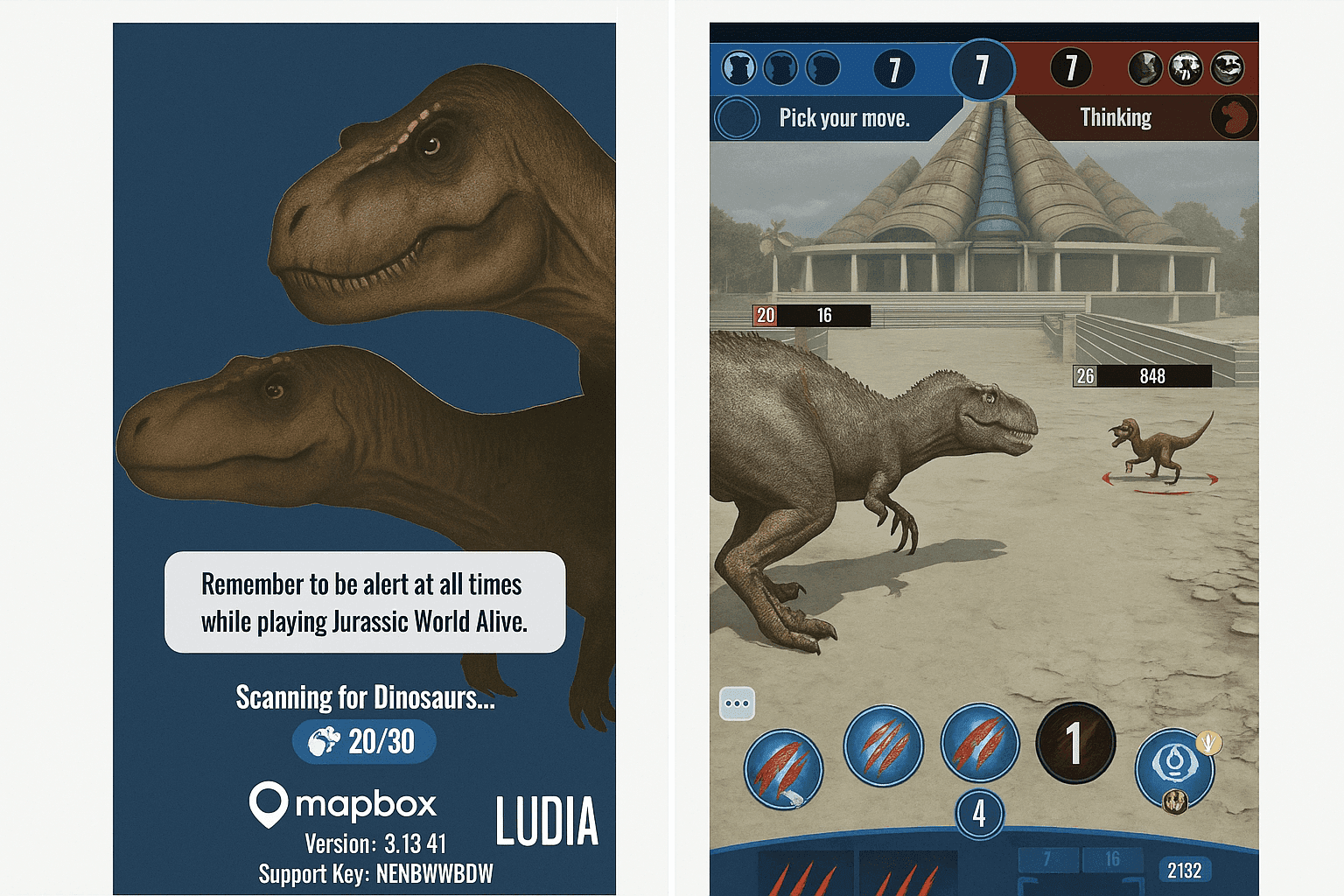
Jurassic World Alive shifts the focus from collection alone toward head-to-head competition. Building teams matters, and the combat layer gives it a sharper edge than many other location-based games.
It does not reinvent the formula, though it does serve players who want clearer competitive structure. From a systems perspective, it feels narrower than Pokémon Go, but also more direct.
Why It Still Holds Up
- The dinosaur theme has broad appeal.
- Direct PvP gives players a clear objective.
- Support has stayed reasonably steady.
- Team building has enough strategic value.
- Progression is readable and easy to follow.
- Chance-based wandering matters a little less here.
8 Ingress Prime
Gameplay- Control portals on a live world map shaped by player action.
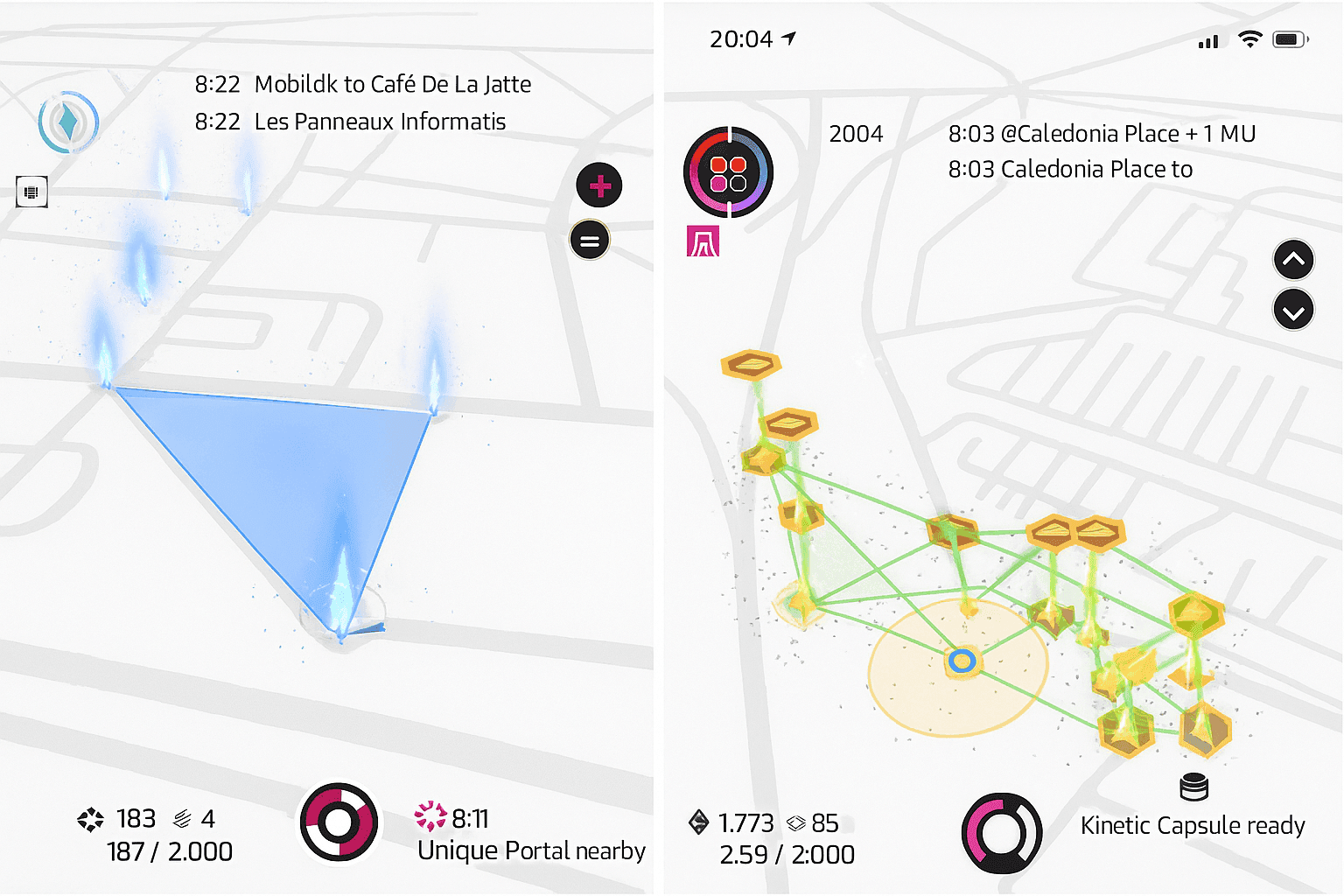
Ingress Prime is where modern map-driven design really took shape. Its strategy layer is deeper than most of the category, and the real-world portal network still gives it a distinct identity. Many landmarks and public sites become meaningful points on the board.
New players may struggle, though. The onboarding is thin, long-time factions dominate many areas, and the social side can feel closed off. I still think of Ingress like an older GIS platform with powerful layers and a rough interface. The signal is good, but it asks more from the user.
| Strengths | Weaknesses |
|---|---|
| Deep strategy and a memorable world map | Weak onboarding and entrenched local factions can push newcomers away |
Ingress Prime is still active in 2026, uses a free-to-play model with optional spending, and has long been associated with firm anti-spoofing enforcement.
Why It Still Holds Up
- Its strategic depth remains impressive.
- Territory control still feels meaningful.
- Experienced communities keep it alive.
- The global map remembers player action.
- Dedicated players still have room to master it.
9 Draconius GO
Gameplay- Capture dragon-themed creatures in a familiar AR loop.
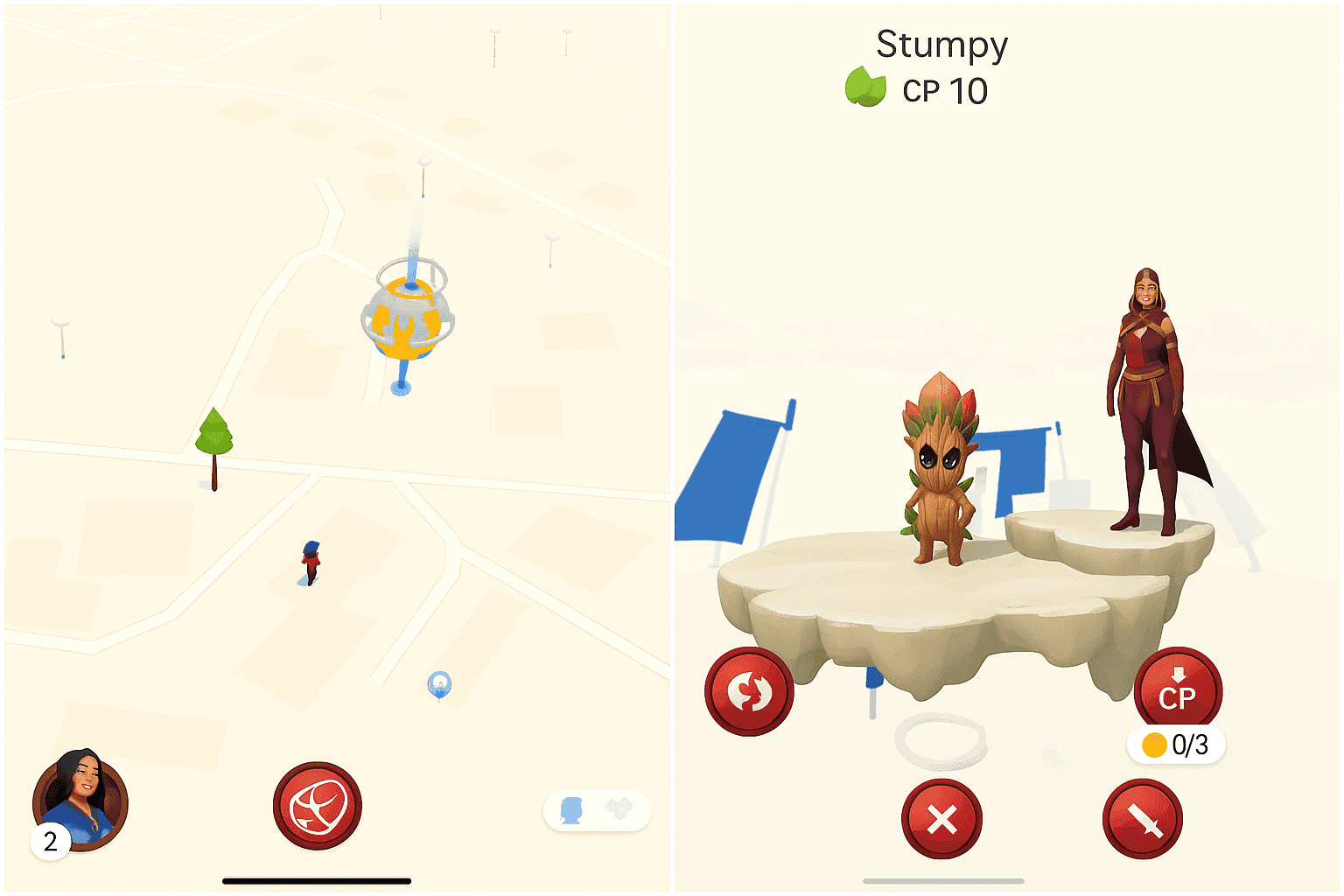
Draconius GO lives very close to the shadow of Pokémon Go. The broad structure will feel familiar right away, though the presentation is less polished and the update pace is slower.
That does not make it pointless. It simply places it in a narrower lane. Players who want a recognizable format without a huge live-service atmosphere may still find it worthwhile.
Why It Still Holds Up
- Dragon collecting still has a loyal niche.
- The learning curve is light.
- Casual sessions work fine here.
- It runs well without demanding hardware.
10 Turf Wars
Gameplay- Claim real-world territory through map-based competition.
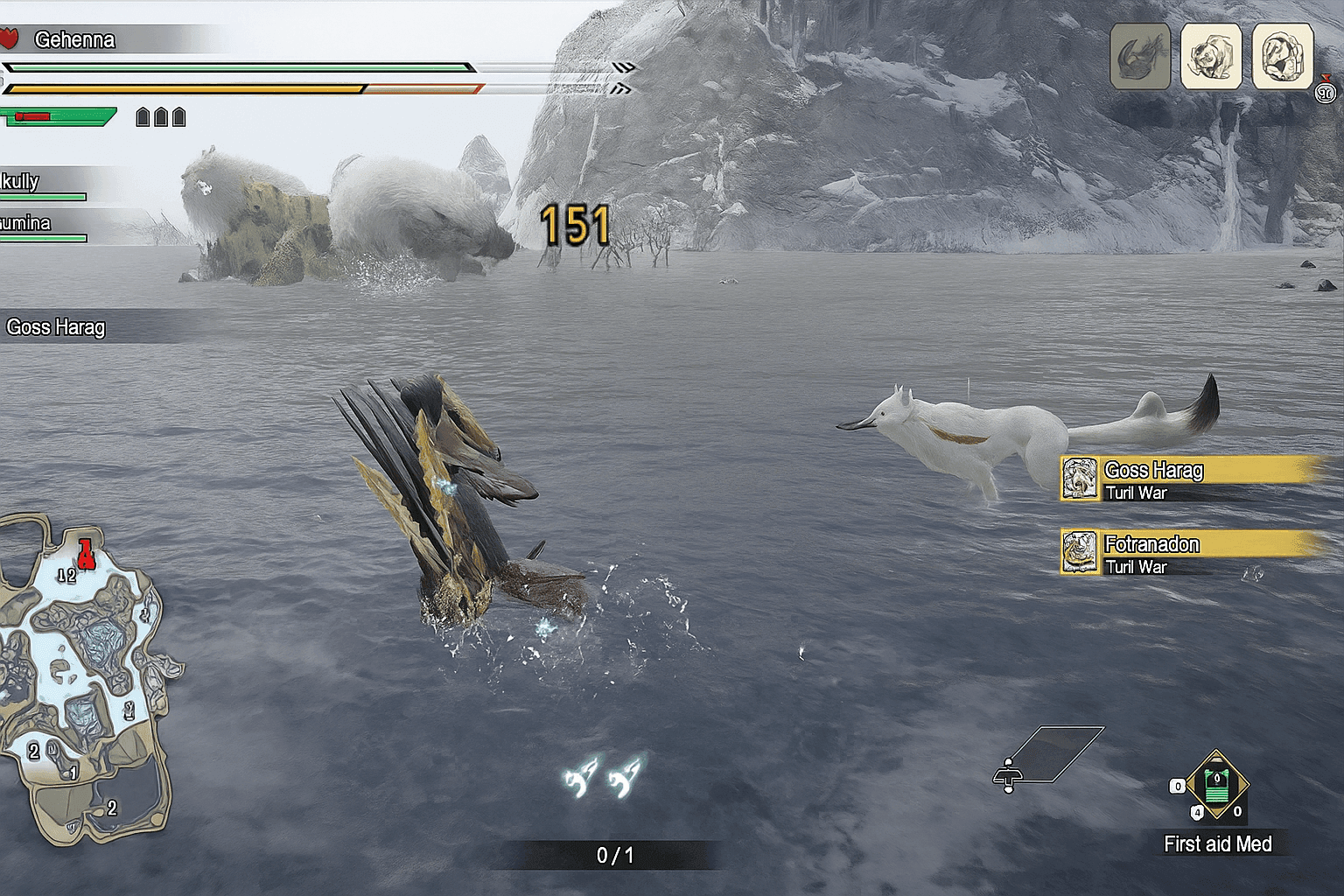
Turf Wars feels like an artifact from an earlier era of location apps. The core idea of holding territory still has some charm, though the presentation now shows its age very clearly.
The interface is dated, the active population is thinner, and retention for new players appears weak. Even so, it deserves a mention as one of the older survivals in this space.
Why It Still Holds Up
- It was one of the early multiplayer GPS experiments.
- The territory concept remains easy to grasp.
- A small niche community still supports it.
- Older phones can still run it well.
11 MysteryHike
Gameplay- Walk to real locations, uncover clues, and solve map-based mysteries as you move.
MysteryHike fits the GPS game category because your route drives the experience directly. Instead of chasing creatures or fighting over territory, you progress by reaching marked points and unlocking the next piece of a case. That gives it a slower and more puzzle-led rhythm than most of the better-known apps.
Its current status is harder to pin down than bigger names on this list, and release details are not as visible. Even so, the core loop is clear enough: move, check the map, then solve the next clue. I like that structure because it treats the map more like an investigation layer than a backdrop.
Why Players Like It
- The mystery format gives walking a clear purpose.
- Clue-based progress feels more thoughtful than simple collecting.
Best Fits by Player Type
| Player Type | Recommended GPS Game | Reason |
|---|---|---|
| Casual walker | Pikmin Bloom | Easy daily loop with low pressure |
| Explorer | Geocaching | Real-world discovery is the main reward |
| Strategy-minded player | Ingress Prime | Territory play rewards planning |
| RPG fan | Orna RPG | Long-term progression has real depth |
| Mainstream social player | Pokémon Go | Large community and simple onboarding |
| Puzzle-oriented walker | MysteryHike | Movement and clue solving stay tightly linked |
Use Case, Cost, and Current Status
| Game | Best Use Case | Anti-Spoofing | Cost | Current Status |
|---|---|---|---|---|
| Pokémon Go | Broad social play | Strict | Free to start with many paid extras | Active |
| Geocaching | Outdoor exploration | Light | Free with premium option | Active |
| Orna RPG | Deep progression | Moderate | Free with lighter monetization | Active |
| Ingress Prime | Competitive map control | Strict | Free with optional spending | Active |
| Pikmin Bloom | Gentle daily walking | Moderate | Free with optional purchases | Active |
How to Play and Progress More Efficiently
Most GPS games reward range and consistency. More reachable locations usually mean more encounters, more resources, or faster task completion. The limit is obvious enough in real life. Weather, distance, and local geography put a cap on how much map coverage most people can manage.
That is why some players use a location changer. Used carefully, it can help test routes, reach region-specific content, or reduce dead zones. One of the better-known tools in these communities is iMyFone AnyTo, which supports iOS and Android and focuses on stable GPS control rather than flashy extras.
AnyTo Key Features
- It allows long-distance teleporting between sparse and dense map areas.
- It can keep a modified location steady during longer sessions.
- One-click teleporting makes quick repositioning simple.
- Route simulation can mimic walking with speed control.
- You can search by place name or direct coordinates.
- The setup stays approachable and avoids complex modification.
How iMyFone AnyTo Works
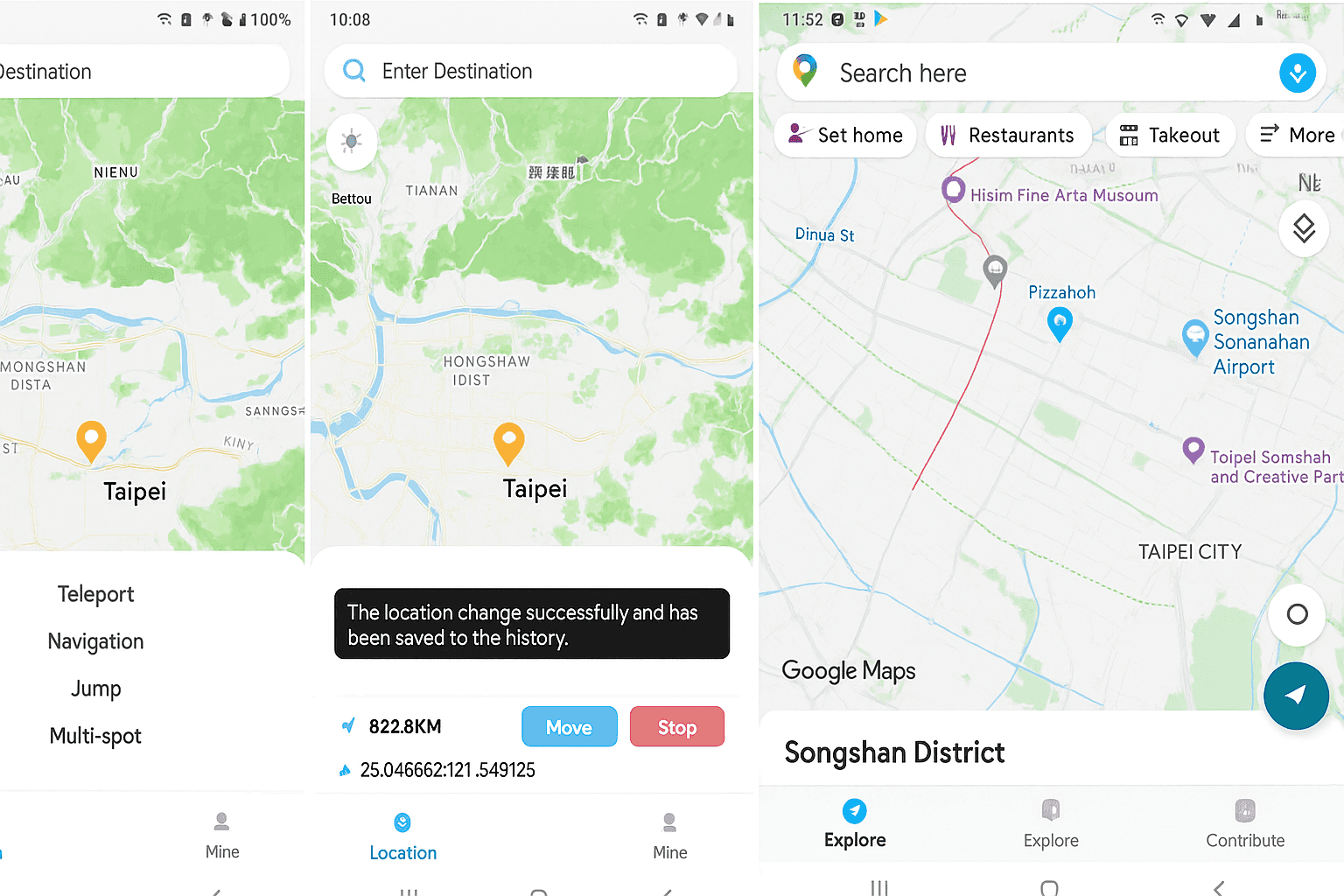
Step 1- Install AnyTo on your phone and complete the initial setup with a computer. In most cases, the first configuration takes only a few minutes.
Step 2- Enter a destination or choose a point on the map. Select Teleport mode, tap Move, and the virtual location updates right away.
Step 3- To switch back, restart the iPhone or use Reset to Real Location in the Mine section. In my experience, that return path is easy to verify, which matters more than people think.
Final Thought
GPS gaming works because it turns geography into gameplay. The best titles use your location with purpose, while weaker ones treat the map as decoration. If you understand how the positioning layer works and pick a game that fits your pace, the whole category becomes much easier to enjoy.
| Game | Best Use Case | Player Type |
|---|---|---|
| Pokémon Go | Broad social play | Casual and community-driven players |
| Geocaching | Quiet exploration | Walkers who like real-world discovery |
| Pikmin Bloom | Gentle daily habit | Players who want low-pressure progress |
| Orna RPG | Deeper systems | RPG fans willing to grind |
| Ingress Prime | Competitive map strategy | Players who enjoy long-term faction play |
For broad appeal, Pokémon Go still leads. For quiet exploration, Geocaching and Pikmin Bloom are stronger choices. For deeper systems, Orna RPG and Ingress Prime are the ones I would study first. The map is the shared foundation, but each game reads that map in a different way.


