
Gmv Builds RF Monitoring System For Safer Satellite Communications


As orbital traffic keeps climbing, GMV is working on a radio frequency monitoring system designed to spot interference and trace where the signal disruption starts. The platform, backed in part by ESA through the ARTES program, is aimed at the main bands used by communication satellites, where dependable wireless links matter most.
A radio frequency spectrum monitoring system continuously watches assigned bands, measures signal behavior, and flags activity that looks out of place. In simple terms, it helps operators see who is transmitting, whether the signal fits the expected pattern, and where interference may be entering the chain.
Pressure on the Radio Spectrum Is Growing
That effort lands at a time when space operations are getting much denser. The active satellite count stood near 2,000 in 2019, and it has now moved beyond 14,000 as large commercial constellations expand. From what I’ve seen in other infrastructure-heavy sectors, once traffic scales this quickly, software for measurement and spectrum management stops being optional.
The strain is falling on the radio spectrum, which remains a limited part of the electromagnetic spectrum and a core resource for satellite communication. More spacecraft means more chances for interference, weaker signal quality, and harder decisions around regulation and frequency use. In practical terms, operators need better data on what is happening in each band and where noise is entering the system.
The same kind of monitoring matters well beyond satellites. Regulators use it to verify lawful spectrum use, while telecom and broadcast teams use it to protect service quality. Public safety networks and national security operations also depend on clean channels, since interference during emergency or secure communications can have immediate consequences.
Why Interference Detection Matters in Orbit
GMV’s system is meant to strengthen resilience by identifying interference early and helping analysts determine its source. I read that kind of monitoring a bit like a GPS accuracy check - once the signal starts drifting, the first job is to separate real movement from noise. In satellite networks, that same principle supports more reliable radio receiver performance, cleaner antenna use, and steadier information flow for essential services.
In practice, an RF monitoring system compares live spectrum activity with expected signal patterns, then records anomalies for review. If the disturbance persists, analysts can correlate timing and direction data from more than one monitoring point to narrow down the source area. In space environments, that process has to account for moving satellites and shifting link geometry, which makes accurate baselines especially important.
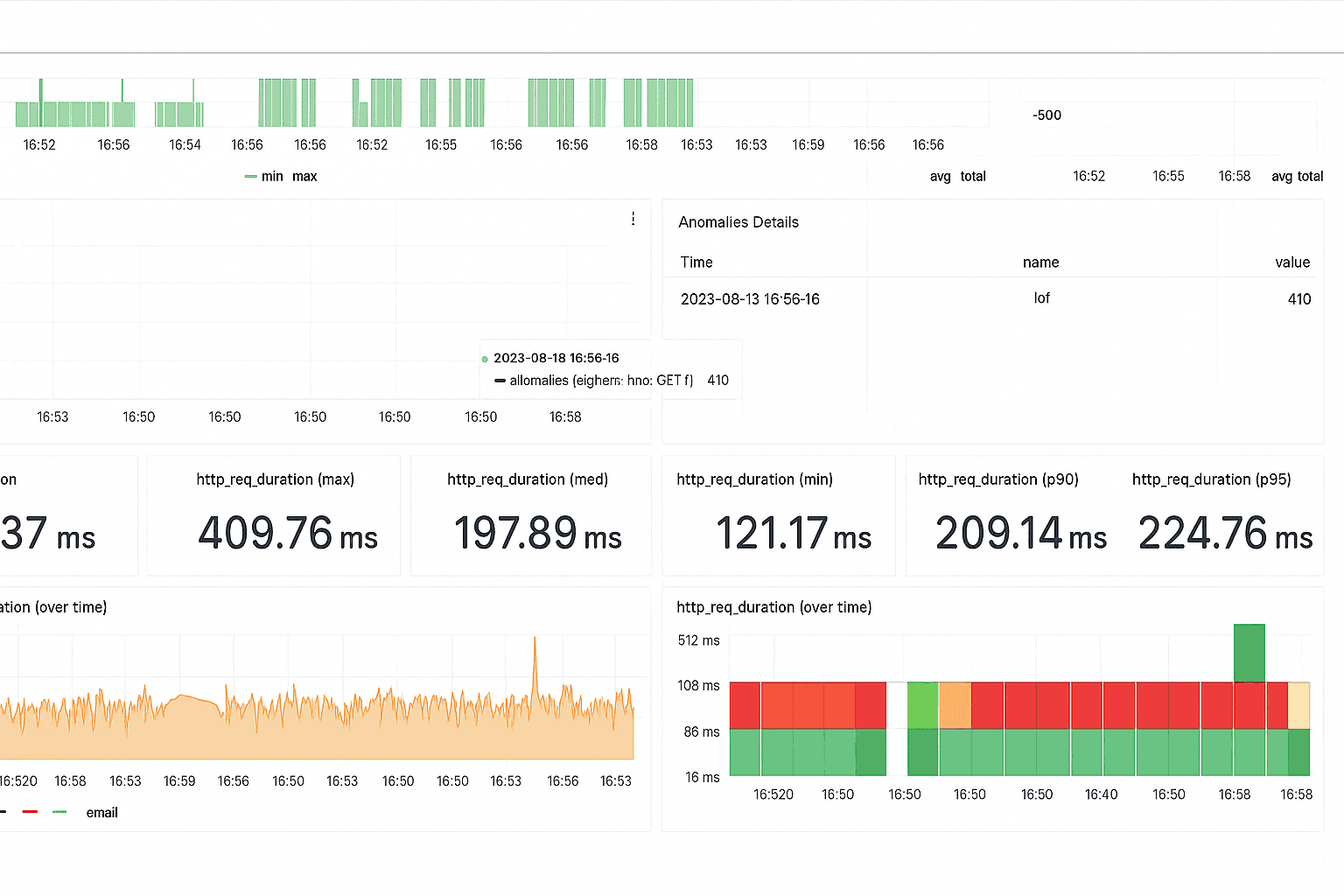
Core capabilities usually include real-time monitoring and signal analysis, along with data logging for later investigation. Many systems also support remote access or geolocation tools, depending on whether they are built for fixed infrastructure or moving platforms.
María Antonia Ramos, Head of STM Policy and Business Development at GMV, said the sharp rise in satellites is making the space environment more complex. As congestion increases, she noted, radio frequency interference becomes more common and raises the chance of disruption to critical communication services.Reliable satellite links depend on being able to detect interference quickly and trace it with enough confidence to act before service quality slips.
Reliable satellite links depend on being able to detect interference quickly and trace it with enough confidence to act before service quality slips.
Where These Systems Are Used
RF spectrum monitoring systems are used by satellite operators and telecom providers, as well as government and regulatory teams responsible for spectrum control. The same tools appear in military settings, in broadcast operations, and in emergency communications networks where continuity matters.
There are several common system types. Some are fixed stations installed for continuous coverage, while others are mobile or transportable units used in field investigations. Remote unattended stations are also common where wide-area monitoring is needed without a full-time local staff, and satellite-based monitoring extends that visibility across larger footprints.
Commercial products tend to fall into those same categories rather than one single design. Some are built around permanent monitoring stations with centralized software, while others are portable analyzers that support on-site troubleshooting.
- Faster detection of interference
- Better analysis and more efficient use of spectrum


