


What Is Crypto Heatmap Analysis?


If you have ever asked what is Crypto Heatmap analysis, the short answer is that it is a visual way to read blockchain and market data through color, layout, and intensity instead of raw tables alone. In practice, it turns a dense data set into something closer to a map you can scan in seconds. That matters in cryptocurrency, where price, volatility, market liquidity, and market sentiment can shift fast. From what I’ve seen, a good heat map helps both new users and experienced traders spot behavior, pressure, momentum, and outlier moves without digging through pages of numbers.
A blockchain heatmap is essentially a data and information visualization tool. Different colors and gradients represent different levels of activity, value, or change across a network or market. Think of it as a layered map of blockchain behavior: warmer tones often signal stronger movement or heavier concentration, while cooler tones point to lighter activity. For an investor, analyst, or curious beginner, that makes complex information much easier to interpret.
Why does this matter? Because blockchain markets rarely stay still for long. If you want better decision-making, whether for research, technical analysis, risk management, or simple observation, you need a way to read fast-changing conditions without getting buried in noise. I tend to read these tools the same way I compare GIS layers: one point rarely tells the whole story, but patterns across the full map often do.
What Is a Blockchain Heatmap Analysis?
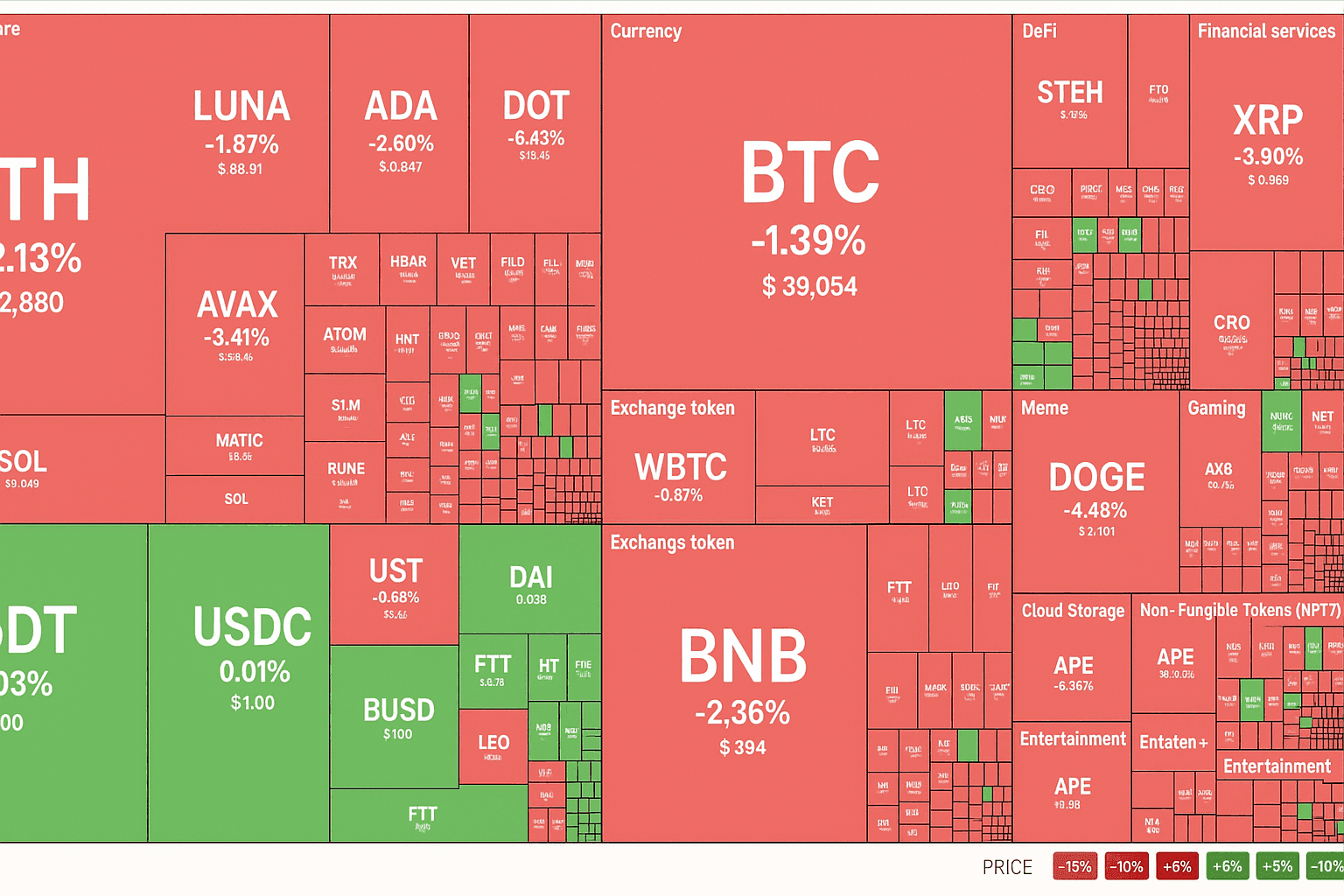
A blockchain heatmap is a visual framework used to display complicated blockchain data in a compact, readable form. Instead of listing transactions, wallet flows, market capitalization, or coin performance in rows and columns, it arranges them into a matrix-like view where color intensity signals relative strength, weakness, or activity. In finance terms, it gives you a quick read on where the heat is building.
This method has a few clear advantages. First, interpretation is faster. In my own testing, it usually takes only a few seconds to identify broad market trend changes on a heatmap, while the same information can take much longer to piece together from spreadsheets. Second, it improves pattern recognition. Human eyes tend to catch clusters, gradients, and visual anomalies faster than isolated figures. Third, it combines multiple metrics into a single tool, which helps when you want to compare assets, sectors, or transaction behavior side by side.
| Advantage | Description |
|---|---|
| Fast interpretation | Heatmaps let users read market conditions quickly without working line by line through large data tables. |
| Better visualization | They make hidden patterns, shifts, and relationships easier to notice. |
| More context at once | Multiple data points can be viewed in one place, giving a broader market picture. |
For beginners, that simplicity can be especially useful. A heatmap will not replace fundamental analysis or deeper analytics, but it can act as a strong first filter.
How Blockchain Heatmaps Work
Data Collection and Processing
Every heatmap starts with raw blockchain data. That can include:
- Wallet addresses
- Transaction size
- Timestamps
- Transfer frequency
- Token movement
- Other network signals
The data is usually pulled from nodes, indexers, or blockchain extraction pipelines, then cleaned and structured for analysis. That reminded me of how noisy GPS data can look before filtering: the signal is there, but without processing, it is hard to trust the shape of the route.
Once collected, the information is normalized and converted into a format that can be compared. Some systems export records into CSV or similarly structured files so the data can be measured consistently. This step matters because heatmaps are only as useful as the underlying data quality. If the source is incomplete or delayed, the map can distort reality.
Color-Coded Visualization
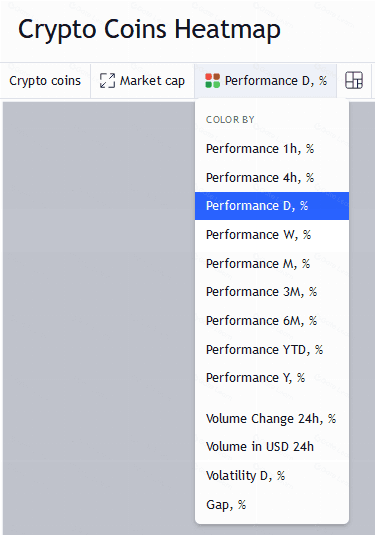
After processing, the system renders the data visually. Each block, tile, or segment represents a value, and color shows relative magnitude. In many layouts, red and orange indicate stronger heat, such as selling pressure, larger losses, or heavy transaction flow, while green and blue can indicate lower pressure, gains, or calmer conditions. The exact meaning depends on the platform, so reading the legend is essential.
This is one reason crypto heatmaps are helpful for beginners. The visual logic is intuitive. You do not need to be an expert in behavioral economics or technical analysis to understand that bright clusters usually signal concentration or rapid change. But beginners should also know that color alone is not enough; context matters.
Key Metrics on the Map
Blockchain heatmaps can show many types of metrics, including:
- Price movement
- Market capitalization
- Trading volume
- Wallet concentration
- Transaction throughput
- Asset rotation across sectors
For example, a concentration of red across large-cap assets may suggest bearish behavior across the market. A pocket of green surrounded by weaker assets may point to relative momentum in one sector or coin. I looked through several heatmap layouts while reviewing this topic, and the better ones made these contrasts obvious within 10 to 20 seconds.
Interactivity and Real-Time Updates
Many platforms add interactivity so users can hover, click, and drill down into a specific asset or wallet cluster. That matters because summary visuals are useful, but real value often comes from checking what sits underneath them. A heatmap with real-time feeds can help users connect sudden price swings with volume, news, or broader market sentiment.
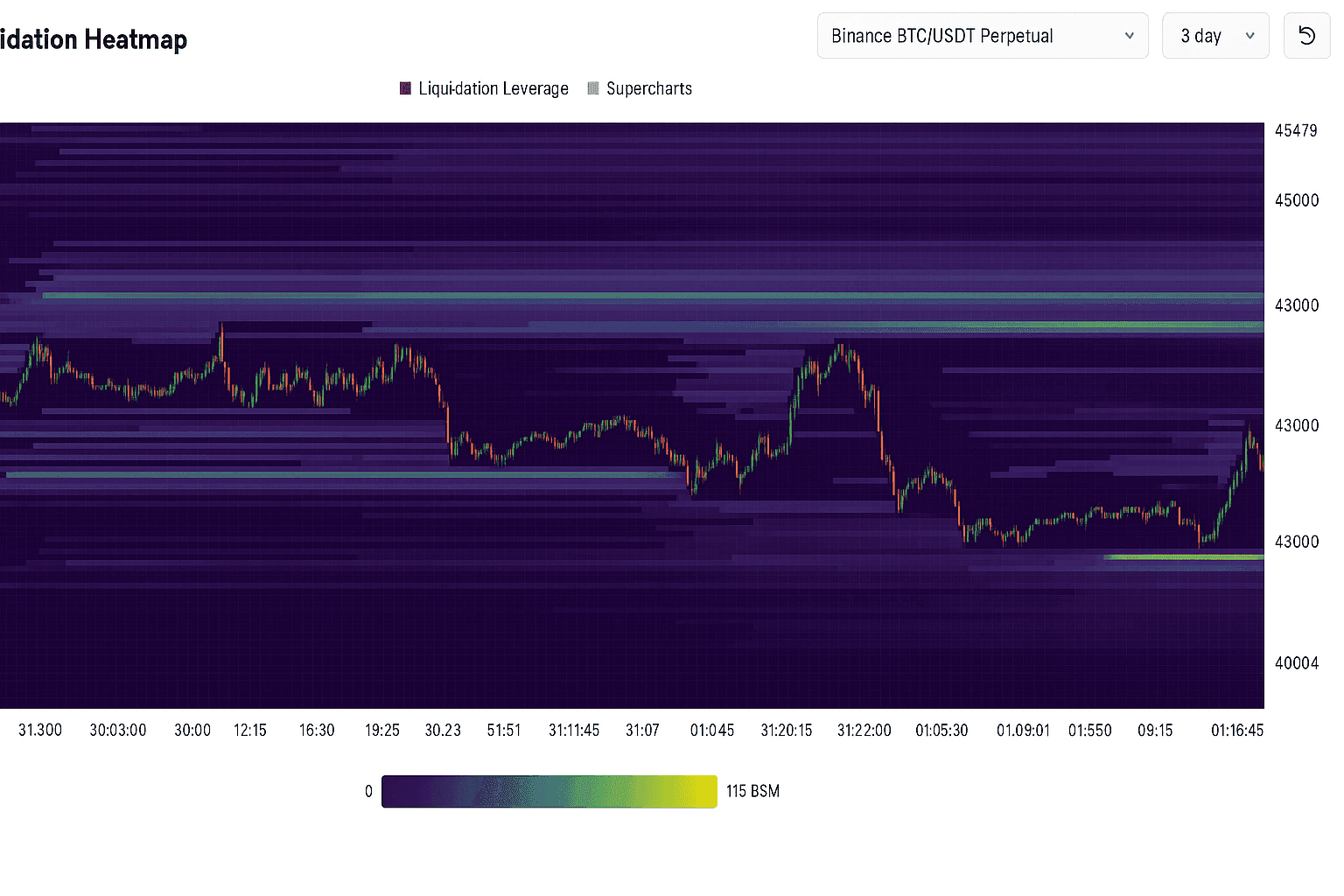
In practical use, real-time heatmaps can function a bit like a live route-monitoring screen. The broad map shows congestion; the click-through detail explains where it started. That makes them useful not only for active trade decisions but also for market observation and faster situational awareness.
Big Data and Adaptive Analysis
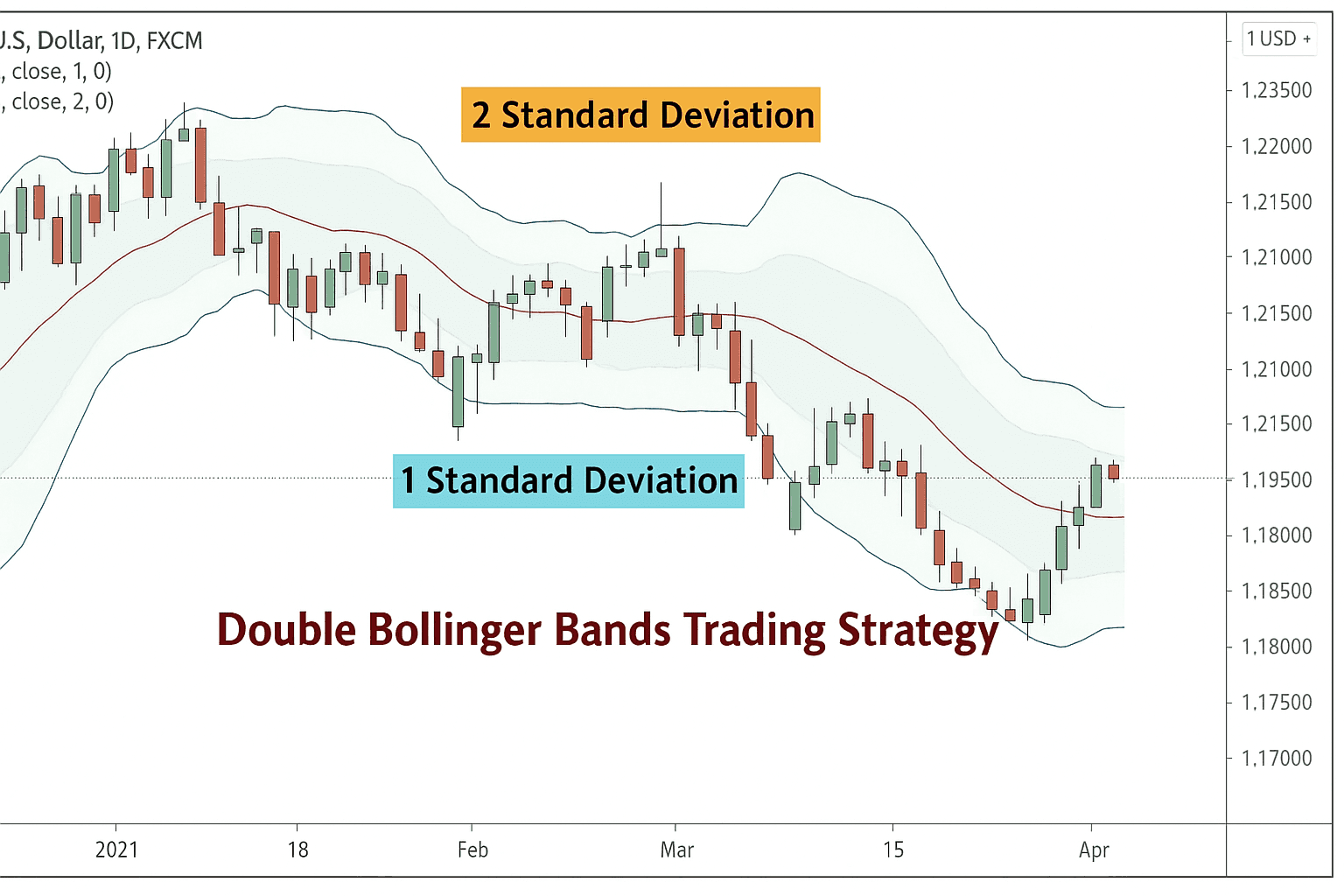
Advanced heatmap systems increasingly rely on big data methods to process very large volumes of blockchain activity. Algorithms can identify recurring structures, shifts in behavior, and unusual concentrations that might otherwise be missed. When these views are paired with tools like Bollinger Bands or other trading strategy frameworks, the heatmap becomes more than a display layer; it becomes part of a broader analytics workflow.
Crypto heatmaps are a valuable tool for quickly visualizing complex market data, but their accuracy depends on the quality and timeliness of the underlying data.
That said, are crypto heat maps accurate? They can be very useful, but accuracy depends on source quality, update frequency, and the logic used to classify data. Common problems include delayed feeds that show old price action, incomplete data sources that miss exchange or wallet activity, and mislabeled metrics where volume, price change, or wallet flow is grouped in the wrong way. In my analysis, those issues can make a market look hotter or calmer than it really is. A heatmap is not the market itself. It is a representation of the market, much like a projection on a map is useful but never the terrain in full detail.
Users can verify reliability by checking a few basics before trusting the display. Review the platform legend, confirm the data source, compare the same period with a second chart or explorer, and see how often the screen refreshes during active trading hours. If a platform does not explain its metric definitions or update cadence clearly, that is a warning sign. I usually treat verification like checking map layers: if the labels, timing, and underlying coordinates do not line up, the visual should not be used on its own.
Applications of Blockchain Heatmap Analysis
Cryptocurrency Trading and Investment
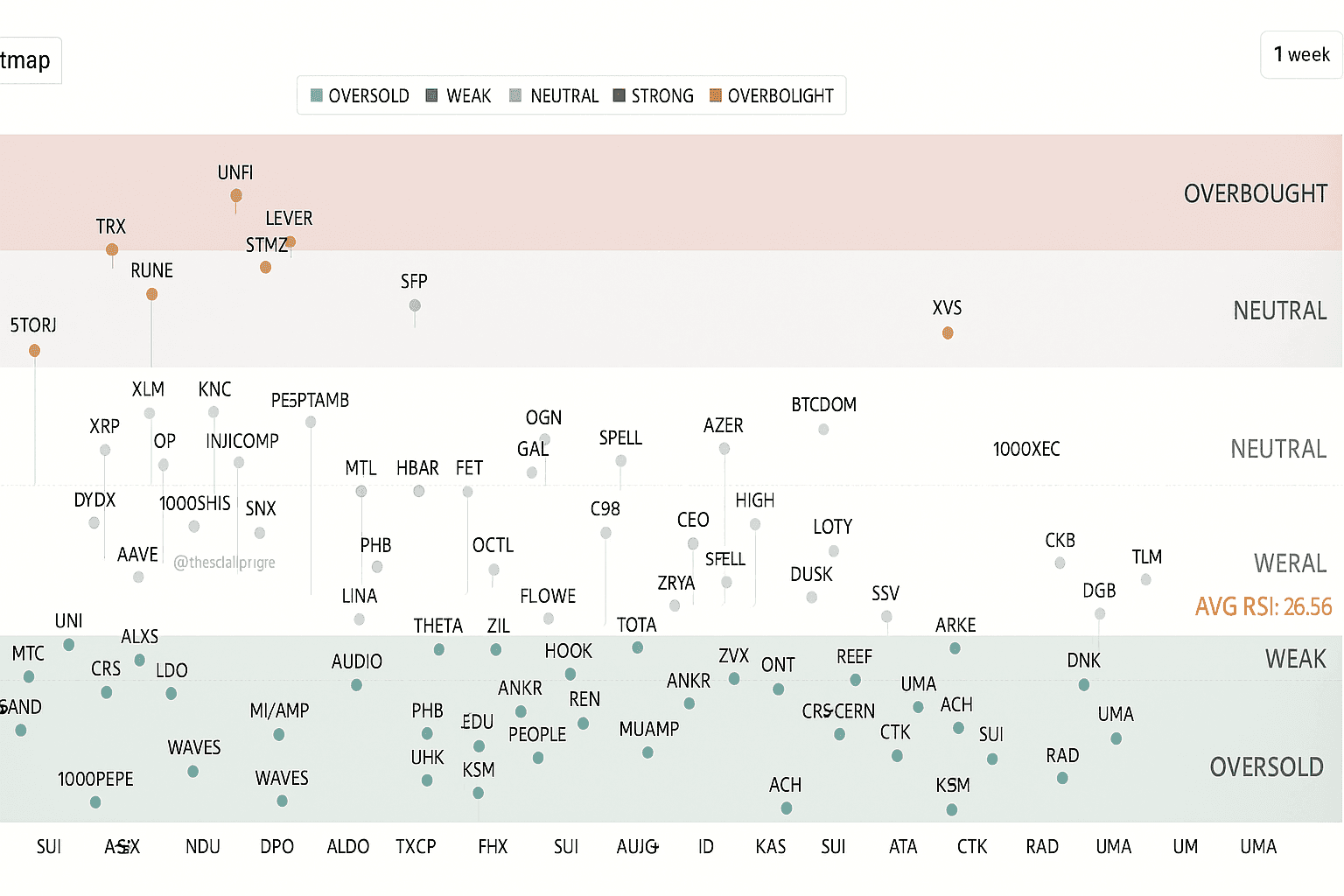
One of the most common uses is in cryptocurrency trading. Traders and investors rely on heatmaps to see which assets are gaining or losing momentum, where volume is clustering, and how fast conditions are changing. A strong visual overview can support quicker trade decisions and help compare strategies over time.
Heatmaps are also useful in investment research. If you want to understand sector rotation, broad risk appetite, or whether Bitcoin is leading the market, these maps can give a fast directional read before deeper analysis begins.
Market Sentiment Analysis
A heatmap can act as a compact gauge of market sentiment. By aggregating movement across many assets, it becomes easier to judge whether the market is broadly bullish, defensive, or mixed. Combined with news flow and volume data, this can help analysts and traders understand the psychology behind recent movement.
This is where behavioral economics becomes relevant. Markets are not driven by data alone. They also reflect crowd behavior, expectation, fear, and confidence. Heatmaps do not measure psychology directly, but they often reveal its footprint.
Risk Management and Fraud Detection
Heatmaps also support risk management. Financial firms, compliance teams, and regulators can use them to monitor transaction patterns, wallet activity, and unusual flows that may suggest fraud or security issues. Outliers often stand out clearly in a good visual model, especially when transaction paths are layered across time.
In some cases, unusual clusters can help identify suspicious behavior earlier than text-only reports. I checked several blockchain visual tools over the years, and the strongest ones made abnormal routing patterns stand out the way a bad GPS trace stands out against a clean route line.
Portfolio Management and Diversification
Investors and fund managers use heatmaps to compare holdings and rebalance portfolios. If one asset class is overheating while another is underweighted, the map can make that imbalance easier to spot. This is especially useful when managing diversified exposure across multiple coins or sectors.
Blockchain Network Analysis
Developers and infrastructure analysts use blockchain heatmaps to study network health. They can track block creation, transaction density, wallet interactions, and congestion zones. This helps reveal whether a network is balanced, overloaded, or showing unusual stress.
Supply Chain Oversight
Outside pure finance, blockchain heatmaps can support supply chain tracking. Goods, status changes, and handoffs can be visualized across a chain of events, helping firms identify bottlenecks and improve accountability. In that sense, the tool works much like a route map across logistics checkpoints.
Healthcare Data Management
In healthcare, blockchain-based records can be visualized to help organize patient information, treatment history, and medication tracking. A heatmap does not replace record systems, but it can improve visibility when professionals need a concise view of large data relationships.
Government and Public Sector
Governments can apply similar methods to budget oversight, project monitoring, and public-record protection. The benefit is greater transparency and easier review of large administrative data flows.
Energy Sector Innovations
In energy systems, heatmaps can help monitor smart-grid activity, transaction routing, and distribution behavior. This supports demand planning and peer-to-peer energy exchange in environments where blockchain is used as the settlement layer.
Intellectual Property and Copyright Management
Digital rights tracking is another practical use. Heatmaps can show how content moves across platforms and where usage is concentrated, helping rights holders monitor distribution and compensation.
Why Heatmap Analysis Matters in Blockchain
Clearer Insight Into Complex Data
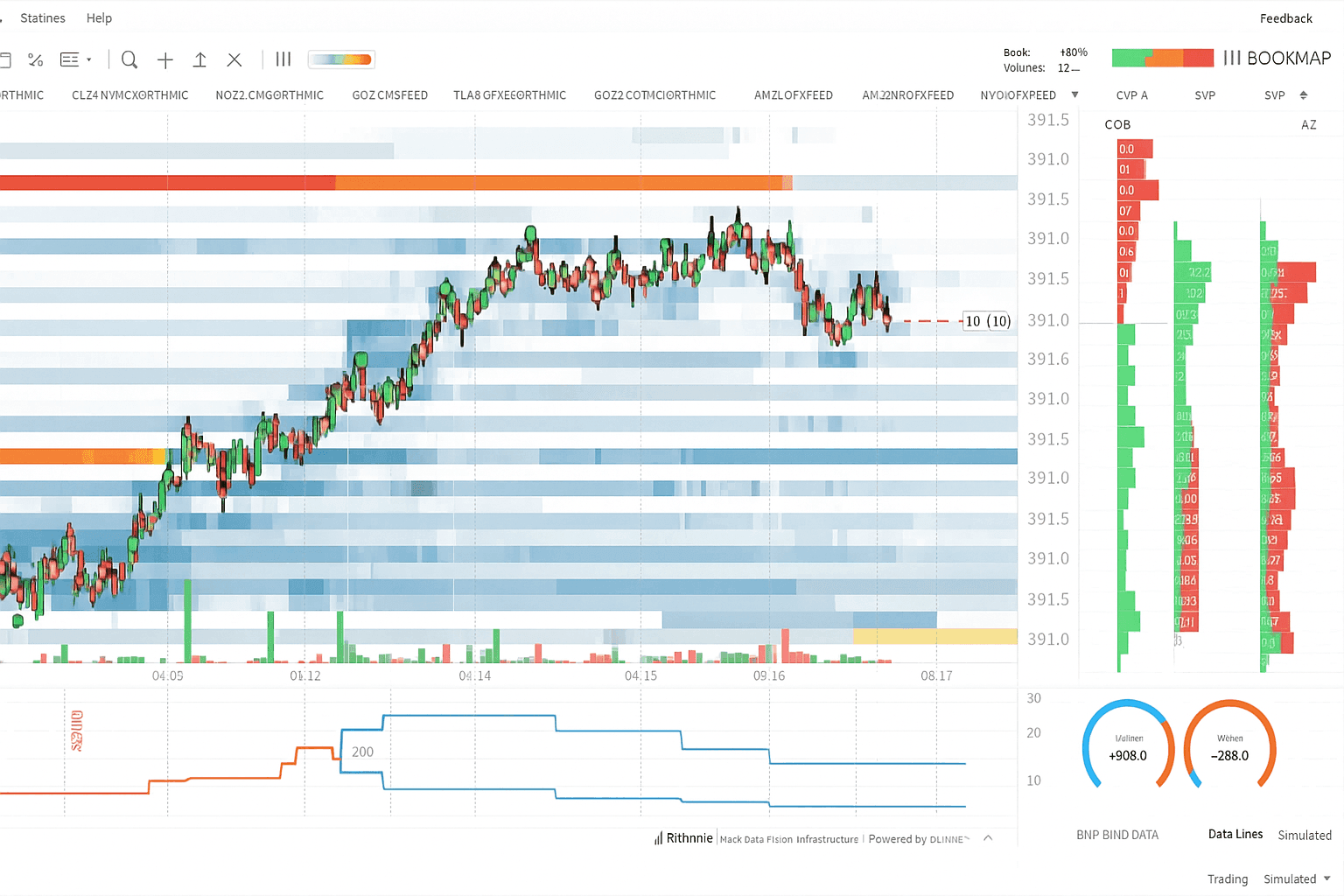
Blockchain systems produce enormous volumes of interconnected data. Without a visual structure, it becomes difficult to follow transaction flow, market behavior, or network change. Heatmap analysis reduces that complexity by turning raw information into something readable at a glance.
Integrated visual views are especially useful because they let users compare several dimensions at once. Instead of examining events one by one, you can see transactions, timelines, and concentrations together. I often think of that as comparing map overlays: each layer adds context, but the real value comes from seeing how they align.
Compliance and Risk Control
In crypto markets, compliance and risk control are not optional. Heatmaps can help organizations flag potentially risky transaction behavior, support KYC and AML review, and strengthen internal monitoring. This makes them useful for exchanges, investigators, and enterprise teams that need a defensible way to review movement patterns.
Predictive Monitoring and Real-Time Awareness
Another strength is predictive monitoring. By watching live or near-live transaction streams, analysts can identify patterns that may signal elevated risk before activity is finalized on-chain. Real-time review improves transparency and helps firms respond faster to change.
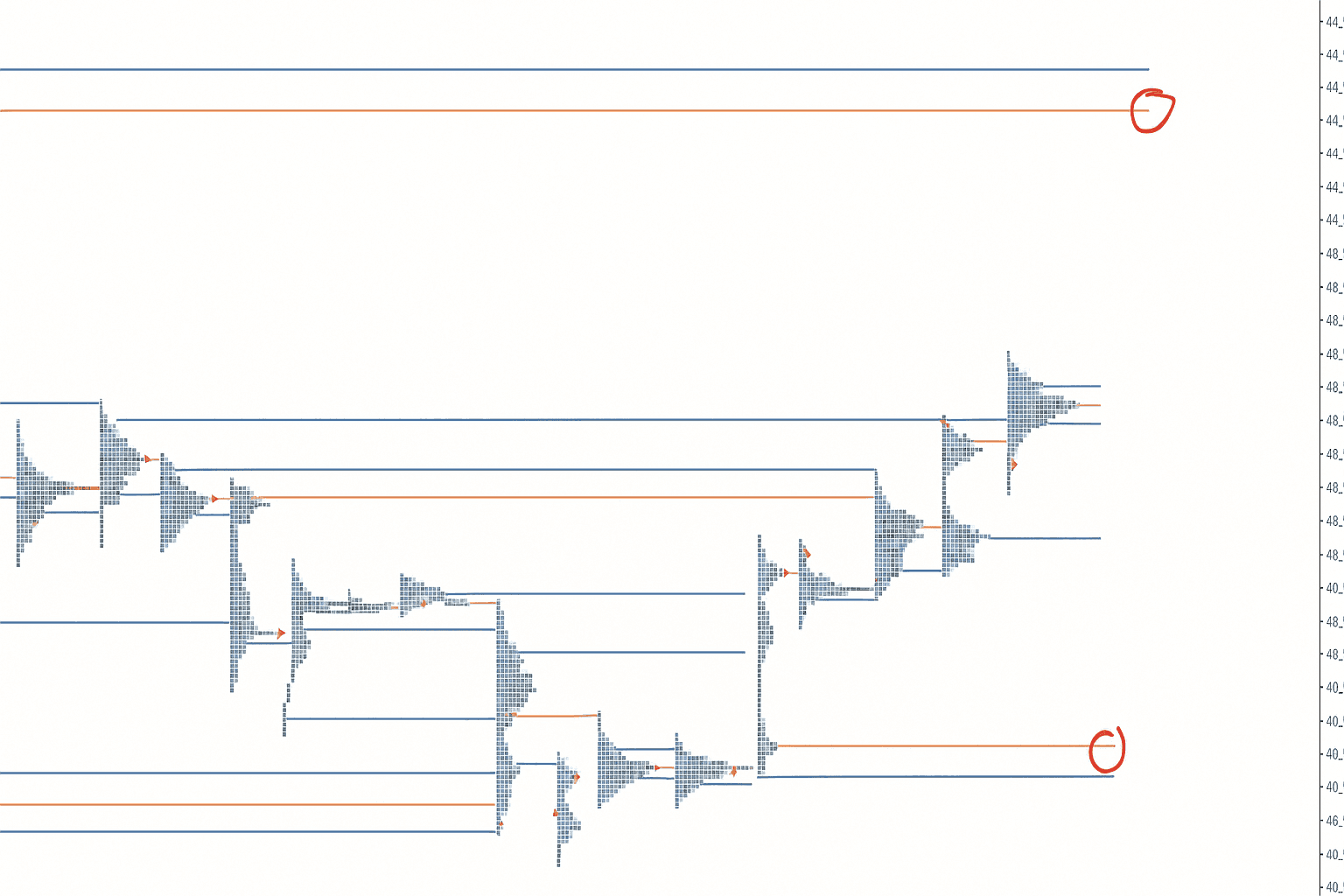
That does not mean a heatmap predicts the future with certainty. It means it can improve awareness. In volatile markets, better awareness often leads to better timing, calmer judgment, and fewer avoidable mistakes.
Business Strategy and IoT Integration
Heatmap analysis also helps businesses evaluate how blockchain and IoT systems interact. When companies collect information from connected devices, visual analysis can show performance gaps, asset movement, and operational bottlenecks. In supply chains and infrastructure networks, that can improve transparency and accountability across the full system.
How to Read a Blockchain Heatmap
Reading a blockchain heatmap starts with understanding what the colors represent. Most systems use color to show changes in market capitalization, price, volume, or related activity across a group of assets. Green often marks positive movement, while red often marks declines. Stronger color intensity usually means stronger movement.
At a basic level, the process is straightforward. Start with the legend. Check the timeframe. Identify whether the blocks are sorted by size, liquidity, sector, or performance. Then look for clusters rather than isolated boxes. A single bright tile can matter, but broader patterns usually tell you more about market trend and sentiment.
Key Elements to Watch
| Element | What to Watch For |
|---|---|
| Color coding | Always confirm what the color scale means on that specific platform, because one heat map may define gain, loss, volume, or pressure differently from another. |
| Data points | Check whether the map is showing price, market capitalization, volume, wallet activity, or another metric. |
| Patterns and distribution | Broad green may suggest a bullish market tone, while widespread red may point to weakness or risk-off behavior. |
For beginners, yes, crypto heat maps can be genuinely helpful. They reduce the barrier to entry by simplifying visual comparison. But beginners should treat them as a starting tool, not a complete strategy. They work best when combined with news, chart review, and basic fundamental analysis.
Advanced Interpretation
More advanced blockchain analytics goes beyond the surface view. Analysts may trace wallet activity, compare input and output paths, inspect fund routing, and connect addresses to behavior patterns. That deeper review is important for auditing, compliance, and verifying transaction legitimacy.
In practical terms, the heatmap gives the overview, while deeper analytics explains why the pattern exists. During my analysis of similar tools, that two-step approach consistently produced better results than relying on visuals alone.
Using Heatmap Analysis for Strategic Decisions
Heatmap analysis can support strategic planning for businesses, traders, and long-term investors because it turns dense information into a clearer operational picture. Used properly, it helps with timing, allocation, monitoring, and planning.
Spotting Market Trends and Patterns
Businesses and investors can use heatmaps to identify bullish or bearish conditions quickly. Color-coded movement reveals concentration, direction, and changes in market behavior. That can support faster adjustment when market conditions shift.
Improving Trading Decisions
For active market participants, heatmaps can improve trade review and technical analysis. They help visualize momentum, volatility, and liquidity conditions across many assets at once. When combined with rule-based methods, they can sharpen timing and reduce blind spots.
That said, a common beginner question is: Can I make $100 a day from crypto? A heatmap cannot answer that, and no honest tool should imply guaranteed money. Crypto markets are volatile, risk is real, and daily outcomes vary widely. What a heatmap can do is improve information quality for decision-making. It is a tool, not a promise.
Planning Blockchain Adoption
Companies considering blockchain adoption can also use heatmap-style analysis when evaluating use cases. Before implementing any system, they need to understand expected value, internal capability, and operational fit. Visual analysis can help reveal where blockchain may improve workflows and where it may add unnecessary complexity.
Government and Healthcare Use Cases
In government and healthcare, these tools can support administration by making large information systems easier to monitor. Identity records, public spending, and patient data become easier to review when visual structure highlights concentration and movement instead of hiding them in long tables.
Long-Term Strategic Value
Over time, blockchain can create entirely new business models rather than just reducing process costs. Secure digital identity is one example. Heatmaps can help organizations see how adoption spreads across sectors and where future opportunities may emerge.
Conclusion
Blockchain heatmaps offer a practical way to understand complicated data without losing the bigger picture. They help users read market trend shifts, compare assets, evaluate market sentiment, and support risk management in a faster, more visual form. For traders, investors, developers, and regulators, that makes them a useful part of the broader crypto toolkit.
They are also approachable. If you are new to cryptocurrency, a heatmap can be one of the easiest ways to begin reading a market. If you are more experienced, it can function as a high-speed visual layer that complements deeper analytics, technical analysis, and fundamental analysis. From what I’ve seen, the best results come when you treat the map the way you would treat any well-built spatial model: trust it for orientation, then verify the details before acting.
Blockchain still has far more potential than any single article can cover. But understanding tools like heatmaps is a solid step toward reading this market with more clarity, less guesswork, and better judgment.


No comments yet. Be the first to share your thoughts.