
Best Personal Gps Trackers For Safety in 2026


A good set of personal GPS trackers should answer one simple question fast - where is the person or item right now, and how quickly will I know if something changes. After comparing these devices across daily routines and travel use, Family1st Portable GPS Tracker stands out as the strongest overall pick because it delivers reliable live tracking, broad coverage, and no long contract.
These tools have become practical safety gear for parents, caregivers, and solo travelers. A modern GPS tracking unit can send location data through a mobile app, trigger a geofence alert, and in some cases contact help with a single button press.
I looked at this list the way I used to read map layers in GIS - signal quality matters, but so does how the device behaves once it leaves the clean test bench and gets into pockets, bags, and real streets.
Our Best Picks for Personal GPS Trackers
| Device | Best For | Key Features | Subscription Required | Battery Life |
|---|---|---|---|---|
| Family1st Portable GPS Tracker | Best overall | Live tracking and geofence alerts | Yes | Up to 2 weeks |
| BrickHouse Security Spark Nano 7 | Affordable tracking | Magnetic case and travel history | Yes | 6 days active or 15 days sleep |
| Samsung SmartThings Tracker | No immediate monthly fee | Free LTE for one year and SOS button | No for the first year | About 1 week |
| Tile Mate | Keys or bags nearby | Bluetooth finding and phone ring feature | No | Up to 1 year |
| AngelSense | Discreet monitoring | Secure fastener and speakerphone | Yes | Full-day use |
| SPOT Trace | Remote travel | Satellite updates and motion alerts | Yes | Up to several weeks |
| LandAirSea 54 | Waterproof use | Waterproof housing and motion-based power control | Yes | Up to 1 year with single-use batteries |
| Amcrest GL300W | Wide-area tracking | 5-second updates and geofence alerts | Yes | 10 to 14 days |
How We Tested These Tracking Devices
We checked these units in ordinary situations that reveal how they really behave, including school pickups, neighborhood walks, and care routines for older family members. The main focus was update speed, position accuracy, and how stable the signal remained in busy streets or thin coverage areas.
Battery testing ran across full-day use and longer stretches where possible. We tracked how long each electric battery lasted with alerts turned on and regular location checks active through a smartphone or tablet computer.
Emergency tools were also tested directly. We triggered SOS functions, crossed geofence boundaries, and watched how long the apps took to push alerts. On most units, the useful difference was measured in seconds, not features on a box.
What Are the Best Personal GPS Tracking Devices in 2026
Family1st Portable GPS Tracker - Best Overall
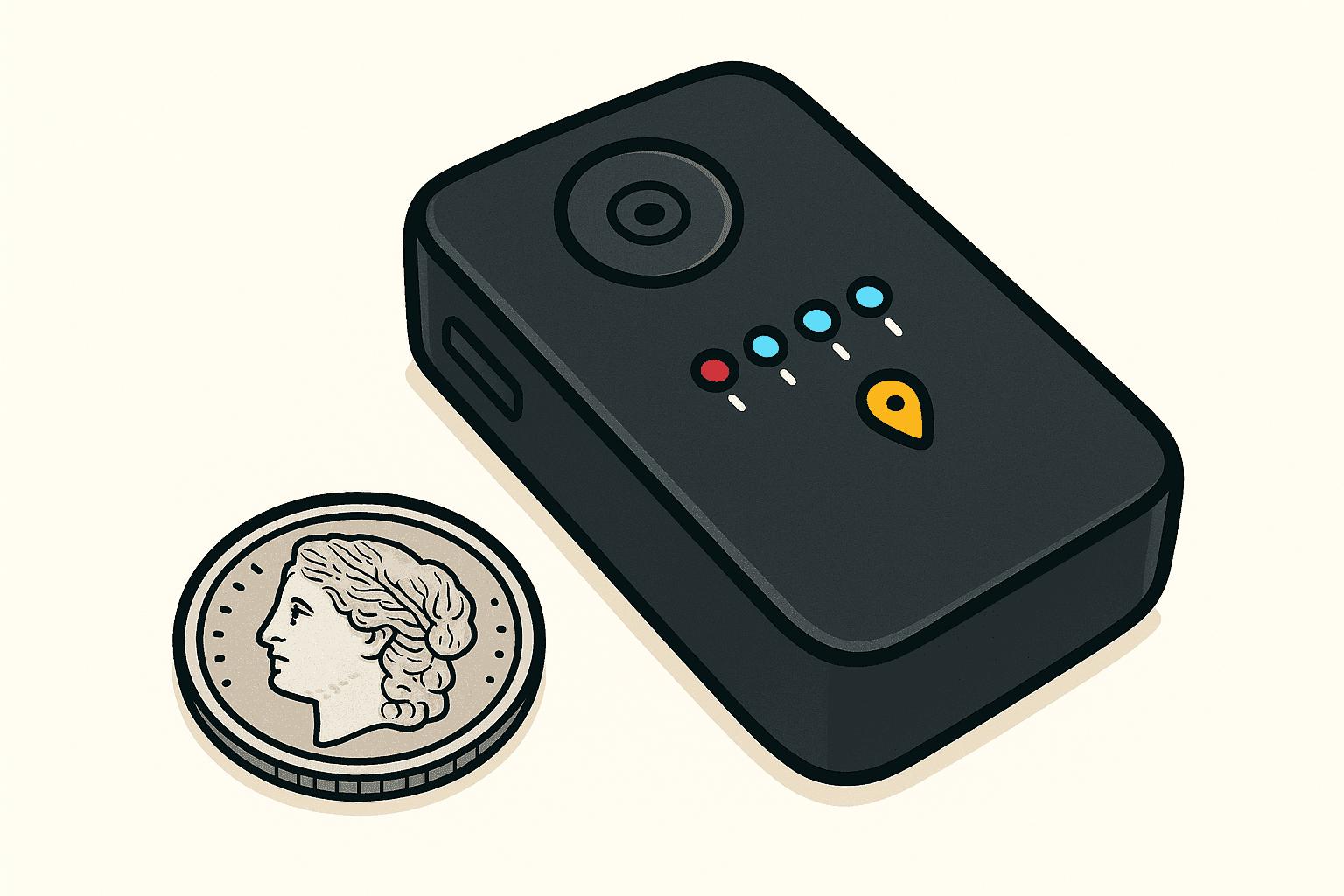
Family1st handled day-to-day tracking better than anything else in this group. During testing, it kept up on crowded sidewalks, inside a moving car, and through short transitions between outdoor space and large buildings. That mix is where many trackers start to drift.
The 4G LTE link stayed stable across different parts of the United States, and the device was easy to hide in a pocket or slip into a bag. Its shape also works well in a backpack or glove compartment without drawing attention.
Battery life landed close to 13 or 14 days with regular checks and geofence alerts active. We did see occasional lag inside dense concrete structures or underground parking, which is fairly common with GPS and Assisted GNSS devices. Even so, it was the most balanced option here.
Pros and Cons
- Accurate live tracking with quick refreshes
- Small enough for a pocket or bag
- Coverage extends across the United States and nearby regions
- Battery can last close to two weeks
- Signal can weaken inside large buildings
Key Features
- Geofence alerts for boundary monitoring
- Light body that is easy to carry
- Battery life built for longer use
- Mobile app setup is straightforward on Android and IOS
- Optional magnetic case adds extra protection
- A practical fit for keeping tabs on loved ones
Product Information
- Size - 2.75 x 1.8 x 1.1 inches
- Weight - 3.68 ounces
- Battery Capacity - 2400 mAh
- Battery Type - Lithium-Ion
- Battery Life - Up to 2 weeks
BrickHouse Security Spark Nano 7 - Best Affordable Personal Tracking System
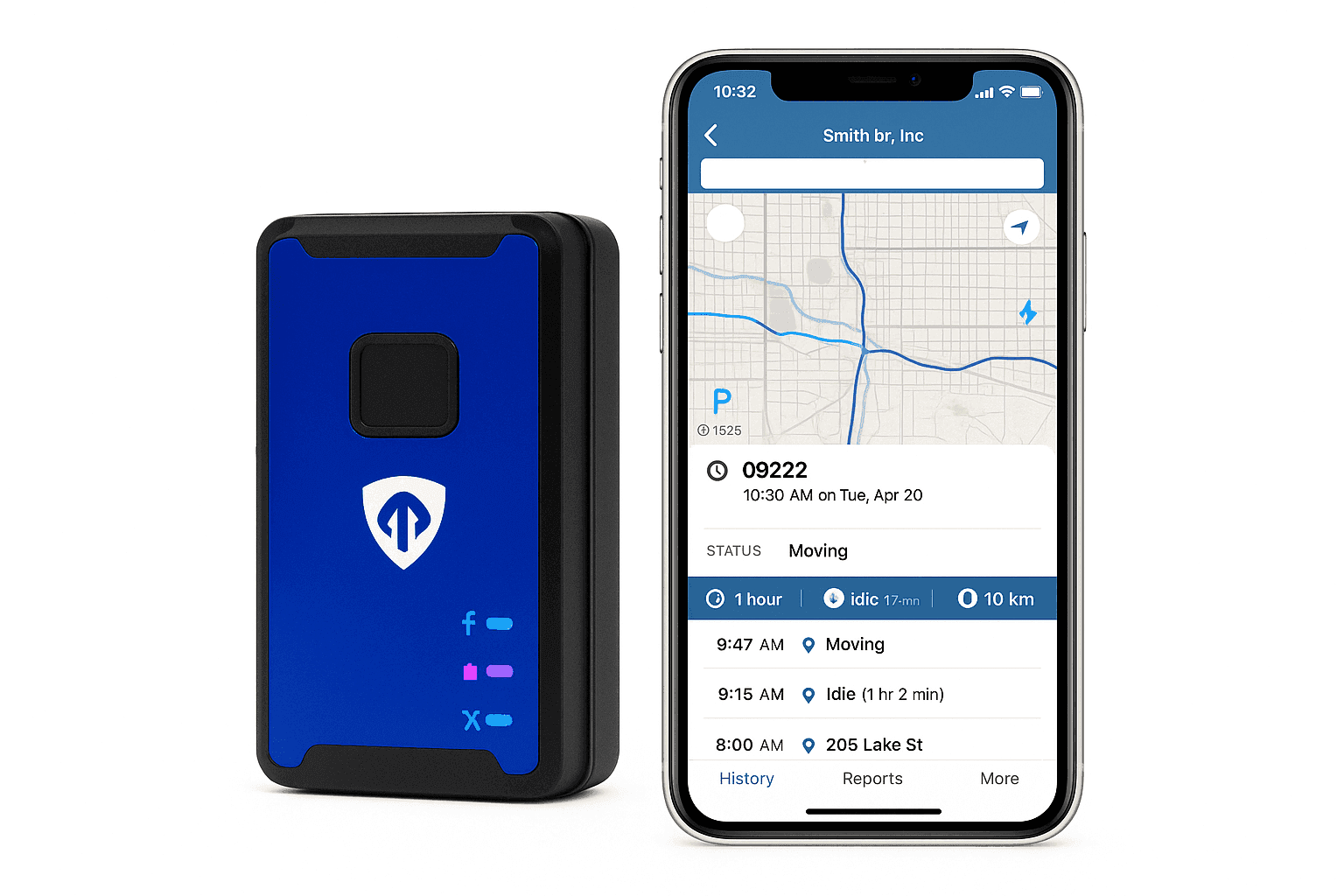
BrickHouse Security Spark Nano 7 turned in a solid result for the price. We used it in a backpack, a delivery bag, and on short local runs, and it held location well enough to be useful in real conditions rather than only on an open road.
The compact housing and magnetic case make it easy to place discreetly on a vehicle or inside luggage. In my checks, the interface took only a minute or two to understand, which matters if someone needs to start tracking without much setup friction.
The lower-cost plan still unlocked travel history, geofence tools, and alerts. The tradeoff showed up as battery slowdown near the end of a charge cycle, where updates became less responsive. Even with that, it remains a strong low-cost option.
Pros and Cons
- Strong magnetic case for discreet placement
- International 4G coverage is useful
- Interface is easy to understand
- Works well on personal items
- Battery drains faster once alerts are active
Key Features
- Magnetic mount for hidden placement
- Weather-resistant case for outdoor use
- Custom alerts through the app
- Travel history is available for review
- No long contract is required
- Speed alerts add another layer of monitoring
Product Information
- Size - 3.0 x 1.58 x 1.0 inches
- Weight - 3.3 ounces
- Battery Capacity - 2600 mAh
- Battery Type - Rechargeable Lithium-Ion
- Battery Life - 6 days in active mode and 15 days in sleep mode
Samsung SmartThings Tracker - Best Without a Subscription
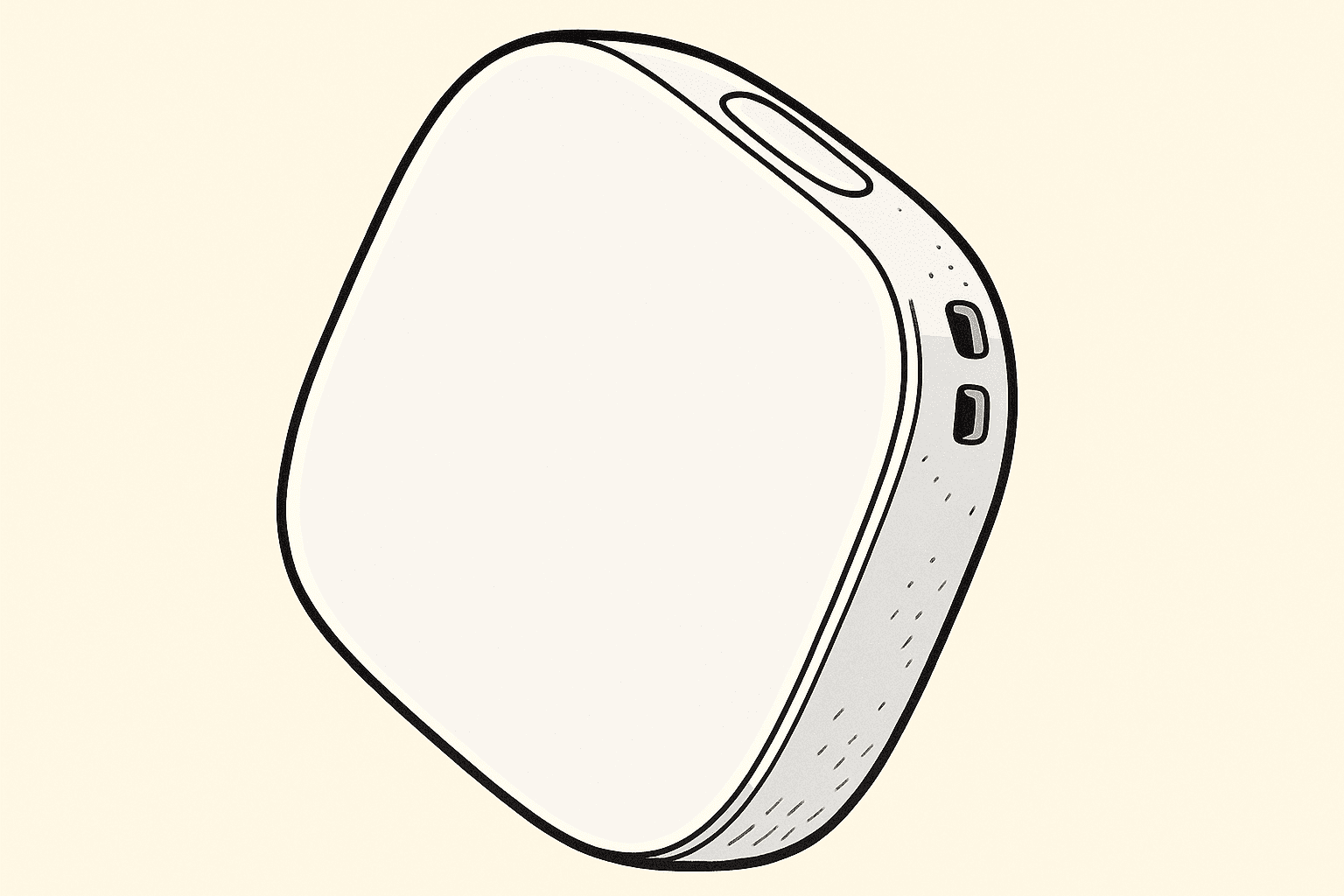
Samsung SmartThings Tracker is the cleanest answer to a common question - are there personal GPS trackers that do not require a subscription. In practice, this one includes free LTE service for the first year, so you can get live tracking without an immediate monthly fee.
During testing, it helped recover a misplaced gym bag in a shopping center through the SmartThings mobile app in under a minute. Its compact body fits easily into a wallet pocket, jacket, or pet collar.
Battery life stayed just under a week with routine checks and zone alerts active. If you want to avoid a recurring fee for basic monitoring, this is one of the better options, though it is not the longest-lasting device here.
Pros and Cons
- Free LTE service for one year
- SOS button is built in
- App is easy to use
- Very light and easy to carry
- Battery life is under 7 days
Key Features
- Compact build for easy attachment
- SOS support for emergencies
- IP68 water resistance adds durability
- Works through the SmartThings app
- Zone alerts are included
- Useful for keeping track of everyday belongings
Product Information
- Size - 1.7 x 1.7 x 0.5 inches
- Weight - 0.8 ounces
- Battery Type - Lithium Polymer
- Battery Life - About 1 week
Tile Mate - Best Tracker for Personal Items

Tile Mate from Tile works well for the small daily frustrations that happen close to home or the office. We used it on keys and a wallet, and the Bluetooth connection stayed reliable enough to make short-range recovery quick.
The reverse phone-finder feature also worked every time during testing. Pressing the Tile made a silent iPhone ring within seconds, even through furniture and walls.
This is where another common question matters - is a GPS tracker better than an AirTag for personal tracking. For nearby items, Tile Mate and Apple AirTag are both useful. For continuous location monitoring of a child or adult, a true GPS tracking unit with a mobile app and active data link is the better tool.
Pros and Cons
- Fast Bluetooth tracking for nearby items
- Works with Life360
- Can ring either the phone or the Tile
- Water-resistant shell holds up well
- Range is limited compared with GPS devices
Key Features
- Bluetooth-based location support
- Replaceable CR1632 battery with long life
- Compact body for keys or wallets
- No subscription required
- Works with voice assistants
- Tile community support can help locate lost items
Product Information
- Size - 0.07 x 0.07 x 0.06 inches
- Weight - 2.08 ounces
- Battery - CR1632
- Battery Type - Lithium-Ion
- Battery Life - Up to 1 year
AngelSense - Best Hidden GPS Tracker for a Person
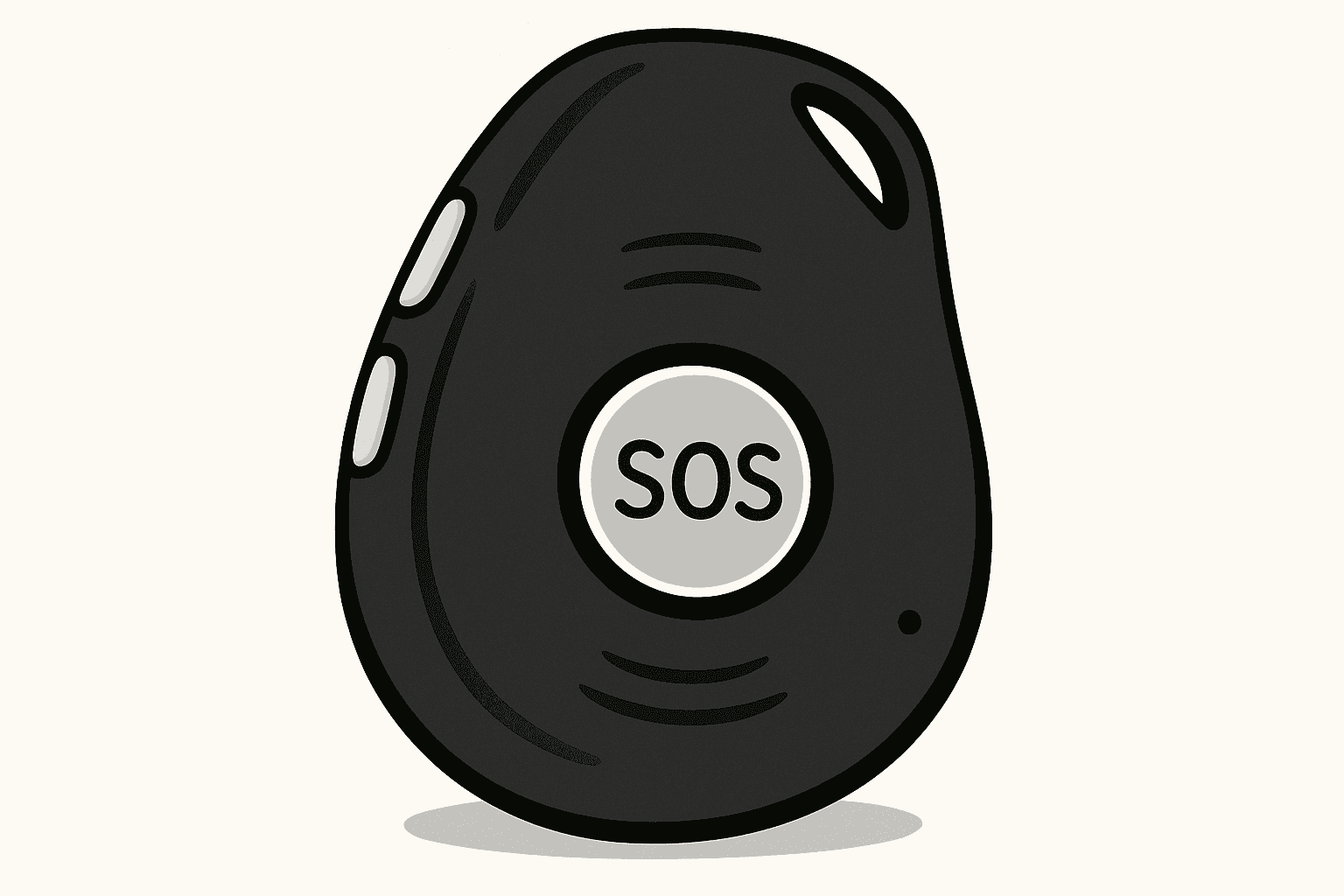
AngelSense is built for cases where discreet wear matters. We tested it with someone prone to wandering, and the device stayed hidden under clothing while still sending accurate updates through the day.
The secure fastener helps keep the unit attached without much user intervention. That matters for caregivers who need dependable placement rather than a tracker that can be removed and forgotten on a table.
Alerts arrived quickly when a safe zone was crossed, and the auto-answer speakerphone added a useful communication layer. The monthly fee is higher than some alternatives, though the monitoring tools justify that cost for families managing a vulnerable person.
Pros and Cons
- Secure hidden fit
- Auto-answer speakerphone is useful
- Routine alerts add context
- Indoor accuracy is strong
- Body is bulkier than some rivals
Key Features
- Two-way speakerphone for quick contact
- SOS function for urgent situations
- Secure attachment hardware
- Location history is included
- Geofence settings can be customized
- Useful for caregivers watching a child or an older adult
Product Information
- Size - 1.73 x 2.4 x 0.63 inches
- Weight - 0.704 ounces
- Battery Type - Lithium-Ion
- Battery Life - Full-day use
SPOT Trace - Best Personal GPS Tracker for International Travel
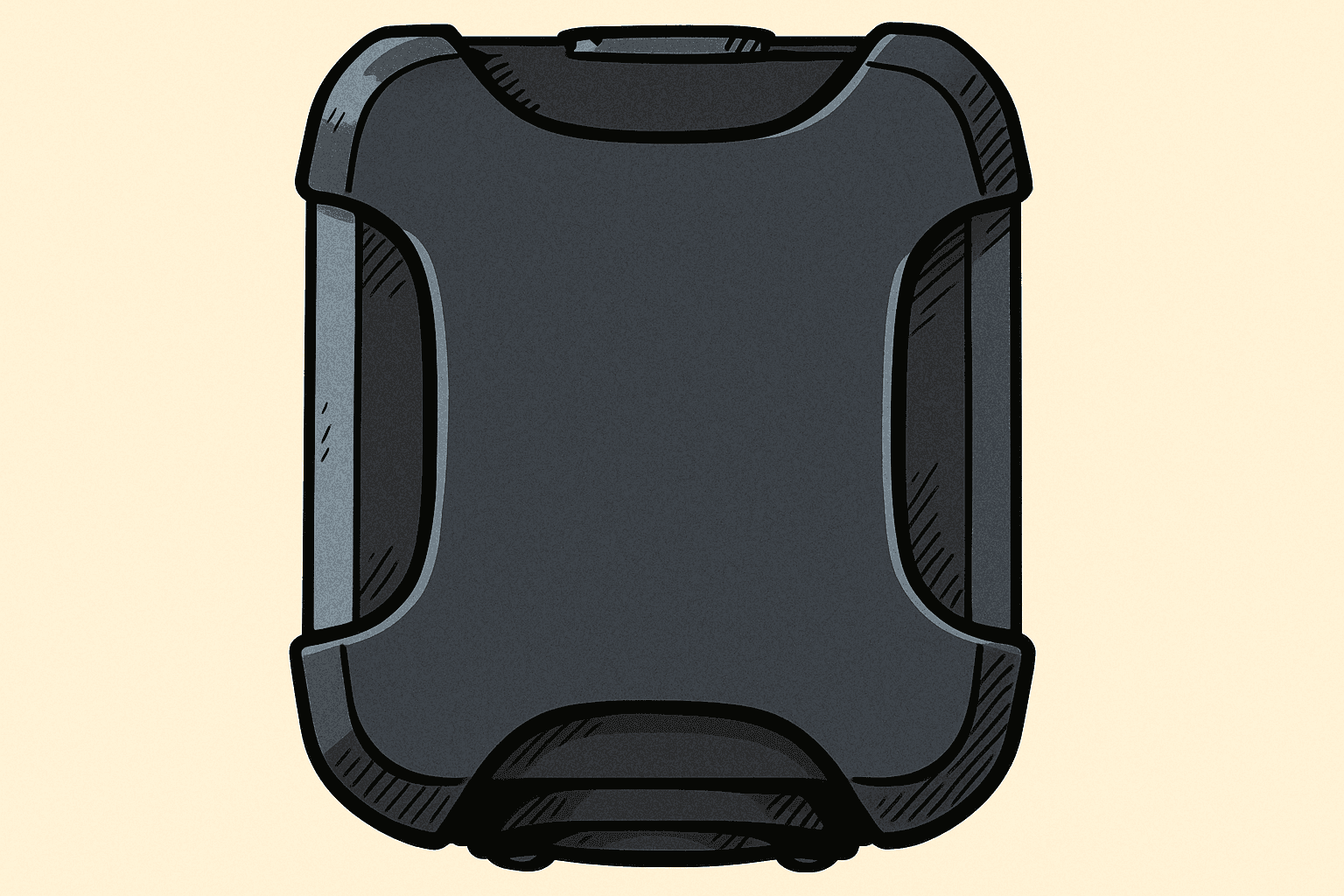
SPOT Trace is the device for situations where standard cellular coverage starts to thin out. We tested it on international travel and in remote terrain, and its satellite connection kept delivering updates in places where LTE devices tend to lose their footing.
It worked well for luggage and travel gear, especially where airport systems or local networks offered limited help. I tend to treat satellite devices the way I used to treat remote mapping hardware - they are slower to set up, but they keep working where common signals fade.
This unit needs a subscription, and it does not feel as conversational as app-first GPS trackers. Still, for a trip that includes poor cellular coverage, it was the most dependable option in this set.
Pros and Cons
- Global satellite tracking is its main strength
- Works where cell coverage drops out
- Very useful for luggage and outdoor gear
- Location accuracy stayed strong in testing
- No live app communication layer
Key Features
- Satellite-based position updates
- Motion-triggered tracking for protection
- Text and email alerts are supported
- Waterproof shell handles rough travel
- Does not rely on local cellular networks
- Strong fit for hiking or remote travel use
Product Information
- Size - 2.25 x 2.25 x 0.8 inches
- Weight - 4.8 ounces
- Battery Type - Lithium-Ion
- Battery Life - Up to several weeks
LandAirSea 54 GPS Tracker - Best Waterproof Option
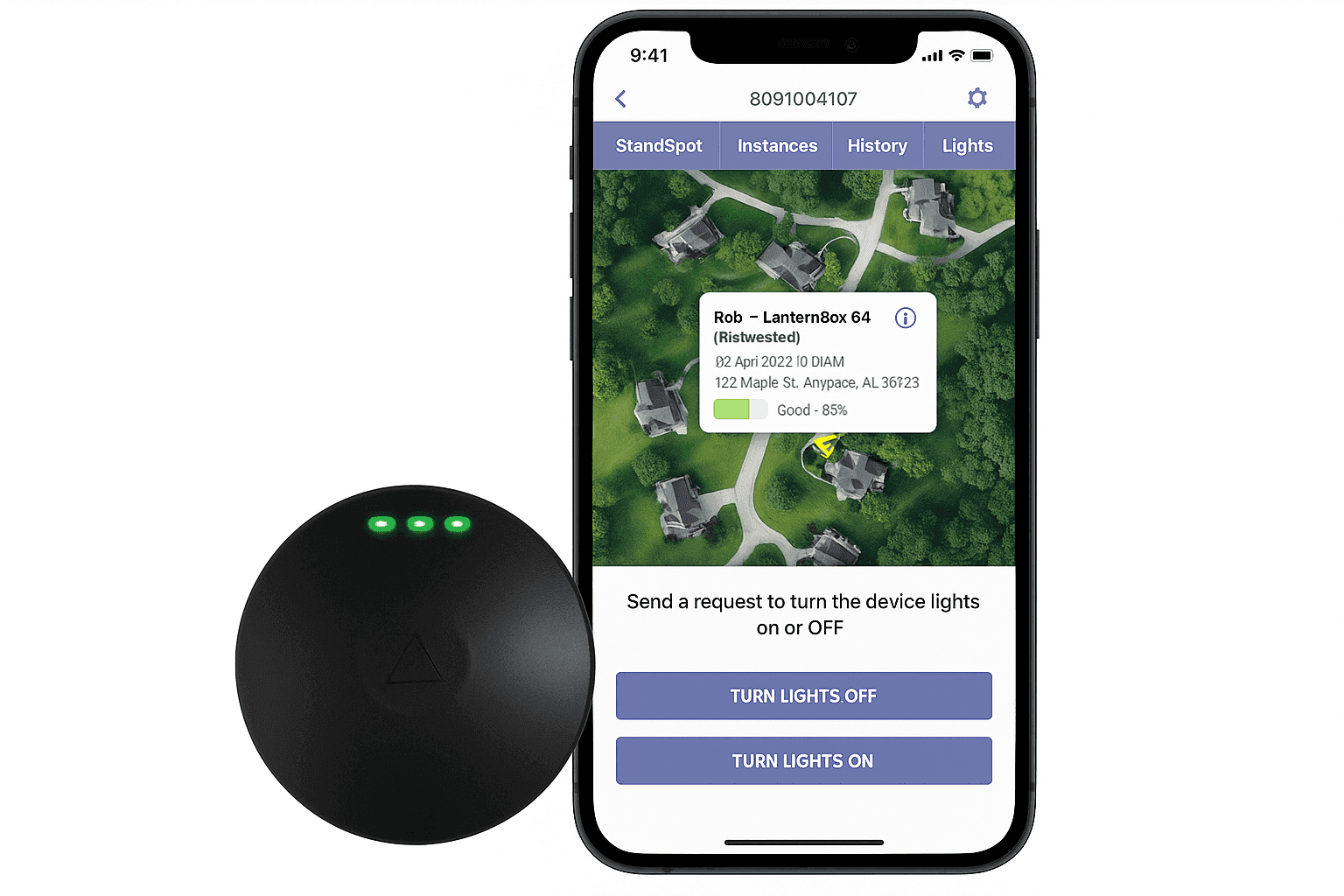
LandAirSea 54 handled water exposure better than any other unit in this roundup. We used it in heavy rain and muddy trail conditions, and the IP code rating translated into real durability rather than marketing copy.
Location accuracy remained solid over several days of outdoor use, and the motion-based power management helped stretch battery life. The SilverCloud app took a few extra taps to get used to, though after a short learning period it worked well enough.
The included service period makes setup easier than some competitors. Its main drawback is the slower update interval, which may feel limiting if you need close tracking of faster movement near a vehicle or truck route.
Pros and Cons
- Fully waterproof body handled rough use
- Service period is included out of the box
- Motion-based battery control helps
- App tracking is straightforward after setup
- App design could be simpler at first glance
Key Features
- Instant alerts through the app
- Waterproof housing for outdoor use
- Magnetic base for secure placement
- Location playback is available
- Works through mobile and web tools
- Designed for assets and active outdoor use
Product Information
- Attachment - Can hide inside a bike frame area or similar space
- Alerts - Phone call support and motion detection
- Battery Life - Up to 1 year with single-use batteries
- Operating System - Android and iOS
- Customer Rating - 4.4 out of 5 from 600 plus reviews
Amcrest GL300W - Best Coverage for Tracking People
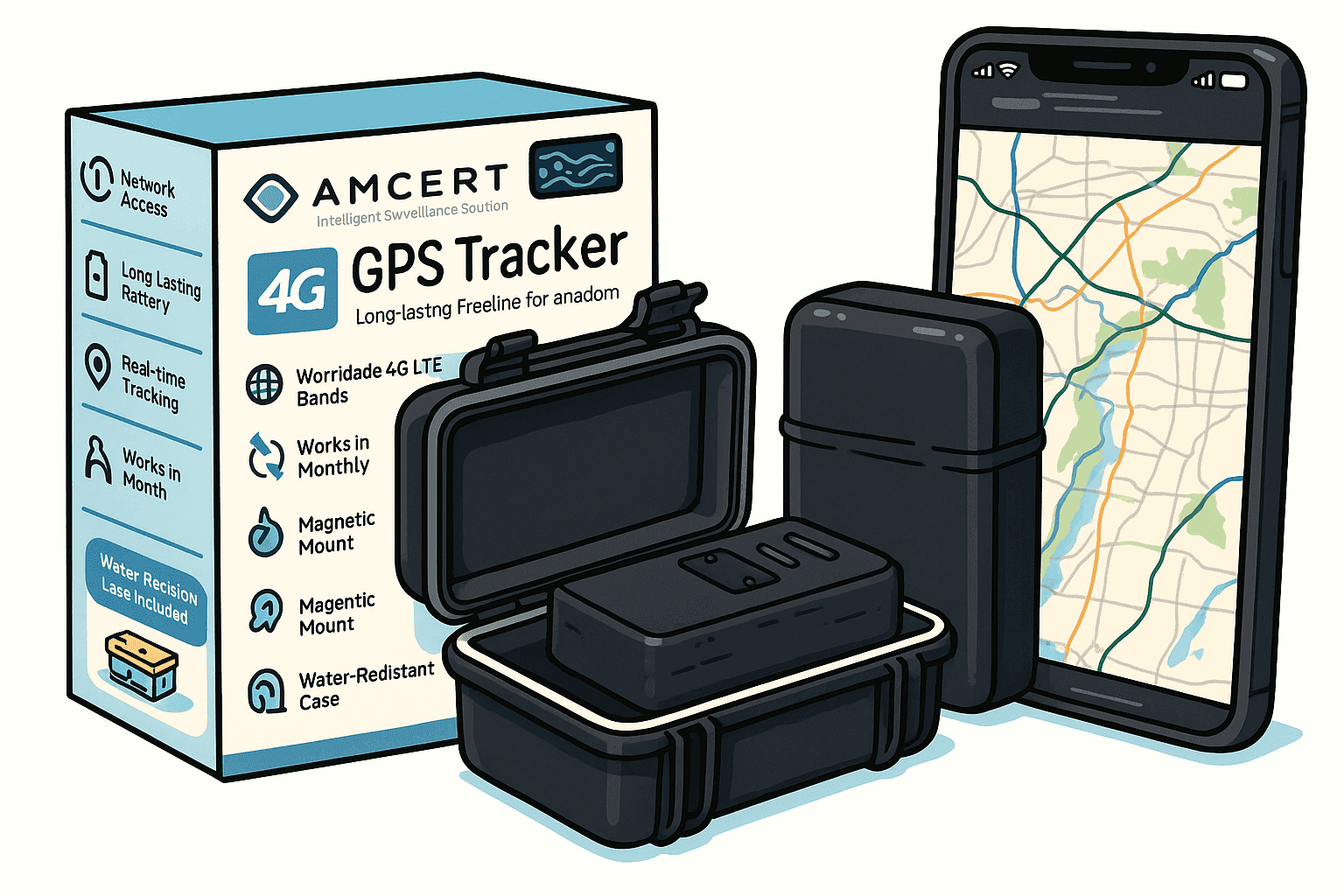
Amcrest GL300W was the strongest option for following a person over longer distances and across a wider coverage area. We used it through commuting days and evening walks, and it stayed stable across the United States, Canada, and Mexico.
The device was easy to carry in a coat pocket or attach to a child’s bag. Geofence alerts and speed alerts were consistent, which made it useful for monitoring movement in busy areas.
With 5-second updates active, position refreshes were impressively quick. That said, fast polling uses more battery, so you trade convenience for precision. In personal tracking, that is often a fair exchange.
Pros and Cons
- Wide coverage across North America
- Geofence alerts are reliable
- 5-second updates are very fast
- Waterproof case adds durability
- Fast mode needs more frequent charging
Key Features
- Real-time 4G LTE tracking
- Compact weather-resistant body
- Speed alerts for movement monitoring
- Custom update intervals are available
- Works through app and web dashboard
- Magnetic case supports discreet placement
Product Information
- Size - 3 x 1.5 x 1 inches
- Weight - 14 ounces
- Battery - 2600 mAh
- Battery Type - Lithium Polymer
- Battery Life - 10 to 14 days
Personal Safety GPS Trackers Buying Guide
Personal trackers work best when the feature set matches the real routine. A child walking home needs dependable alerts and easy carrying. An older adult may need voice tools or stronger indoor tracking. A traveler may care more about coverage than app polish.
Update speed matters because a tracker that refreshes every few seconds gives a much clearer route picture. In mapping terms, that is the difference between a clean path and a broken line with missing points. For moving targets, that gap matters.
Battery life should also match how long the person is out. If the tracker spends a full day in a pocket or backpack, it needs enough reserve to survive regular checks without dying before the trip home.
Coverage is another major filter. Cellular models suit local use and urban travel. A satellite navigation device is the better fit for remote routes, border crossings, or long hiking trips where 4G and LTE are unreliable.
Alert quality often matters more than sheer feature count. A useful geofence, a working SOS button, and dependable app notifications usually beat a longer menu of tools that are rarely used.
Cost should be viewed in two layers - device price and recurring fee. Some people want a tracker without a monthly plan, while others are fine paying for stronger data coverage if the device protects a person rather than a bag.
Carry comfort also counts. Smaller units tend to work better for a child, and lighter models are easier to hide under clothing or keep inside a handbag. If outdoor use is likely, check the IP code and overall build before buying.
Who Needs Which Tracker
Each model fits a slightly different job. The best choice depends on who is being tracked and how they move through the day.
Family1st Portable GPS Tracker
This is the all-around option for everyday safety use. It suits parents and caregivers who need consistent live updates without spending much time learning the software.
BrickHouse Security Spark Nano 7
This one makes sense for budget-conscious users who still want real GPS coverage. It also works well for hiding inside a car or another vehicle where discreet placement matters.
Samsung SmartThings Tracker
A strong fit for users who want basic tracking without an immediate monthly fee. It works well for short trips and everyday belongings, especially if the user is already inside the Samsung ecosystem.
Tile Mate
Best for misplaced essentials rather than long-range personal safety. If the goal is to find keys, a wallet, or an iPhone nearby, Tile Mate does that job with very little fuss.
AngelSense GPS Tracker
This is aimed at high-attention care situations. If someone may wander or needs silent monitoring support, AngelSense offers more control than a simple tag-based product from Apple Inc. or Tile.
SPOT Trace
Best for off-grid travel and international movement. It keeps sending useful location data where a standard smartphone tracker may lose signal.
LandAirSea 54 GPS Tracker
A practical match for rough outdoor routines and wet conditions. It is well suited to active jobs or equipment tracking where durability comes first.
Amcrest GL300W
This unit is a strong pick for people who need fast refreshes in busy areas. It is especially useful when near-real-time updates matter more than maximum battery duration.
Frequently Asked Questions
What Is the Best Personal GPS Tracking Device
Based on overall performance, Family1st Portable GPS Tracker is the best option in this group. It combines accurate live tracking, strong battery life, and wide coverage without locking the buyer into a long contract.
Are There Personal GPS Trackers That Do Not Require a Subscription
Yes. Samsung SmartThings Tracker offers service for the first year without an added monthly fee, and Tile Mate avoids subscription costs for nearby item tracking. The tradeoff is that subscription-free models usually give you either limited range or a shorter included service window.
Can I Put a GPS Tracker on Someone's Car Without Them Knowing
In most jurisdictions, placing a GPS tracker on a vehicle you do not own or do not have clear permission to track is illegal and can lead to criminal charges or civil liability.
In most jurisdictions, placing a GPS tracker on a vehicle you do not own or do not have clear permission to track is illegal and can lead to criminal charges or civil liability.
That depends on local law and your relationship to the vehicle. In many places, placing a tracker on another person’s car without consent can create legal problems. In most jurisdictions, using a GPS tracking device on a vehicle you do not own, or do not have explicit permission to track, can be illegal and may lead to criminal or civil penalties. Before attempting anything like that, speak with a legal professional or contact local law enforcement for guidance.
Is a GPS Tracker Better Than an AirTag for Personal Tracking
For monitoring a person in real time, yes. A dedicated GPS tracking unit uses cellular data or satellite coverage to report movement far beyond short-range finding. An AirTag is useful for objects and works especially well in the Apple Inc. ecosystem, though it is not the same tool as a true personal safety tracker.
Can Personal Trackers Be Used Outdoors
Yes. Many of them are designed for outdoor use, including travel, walking routes, and hiking. The key is choosing a model with the right durability and coverage for the area.
How Long Does a Personal Tracker Last
Battery life depends on update frequency and network type. Some devices run about a week, while others can stretch close to two weeks or longer. Waterproof housing and a solid electric battery also help extend usable life in the field.
Conclusion
Personal GPS trackers are now a practical part of everyday safety. The better models give fast location data, dependable alerts, and enough battery life to stay useful outside a controlled test.
Each tracker here fits a different role. Family1st is the best all-around choice, while AngelSense and SPOT Trace serve narrower needs with more specialized hardware.
The right pick depends on the person, the route, and the level of monitoring you actually need. Match those pieces carefully, and the tracker becomes far more useful than a simple dot on a screen.


