


The Best Bike Gps Trackers 2026 And How to Pick The Right One


Bike GPS trackers solve a very specific problem. A lock may slow a thief down, but a tracker gives you a chance of seeing where the bike went after that. After comparing compact Bluetooth tags with full GPS tracking unit options, the short answer is simple - the best choice depends on how discreet you need it to be, how much location data you want, and whether you are willing to pay for a subscription.
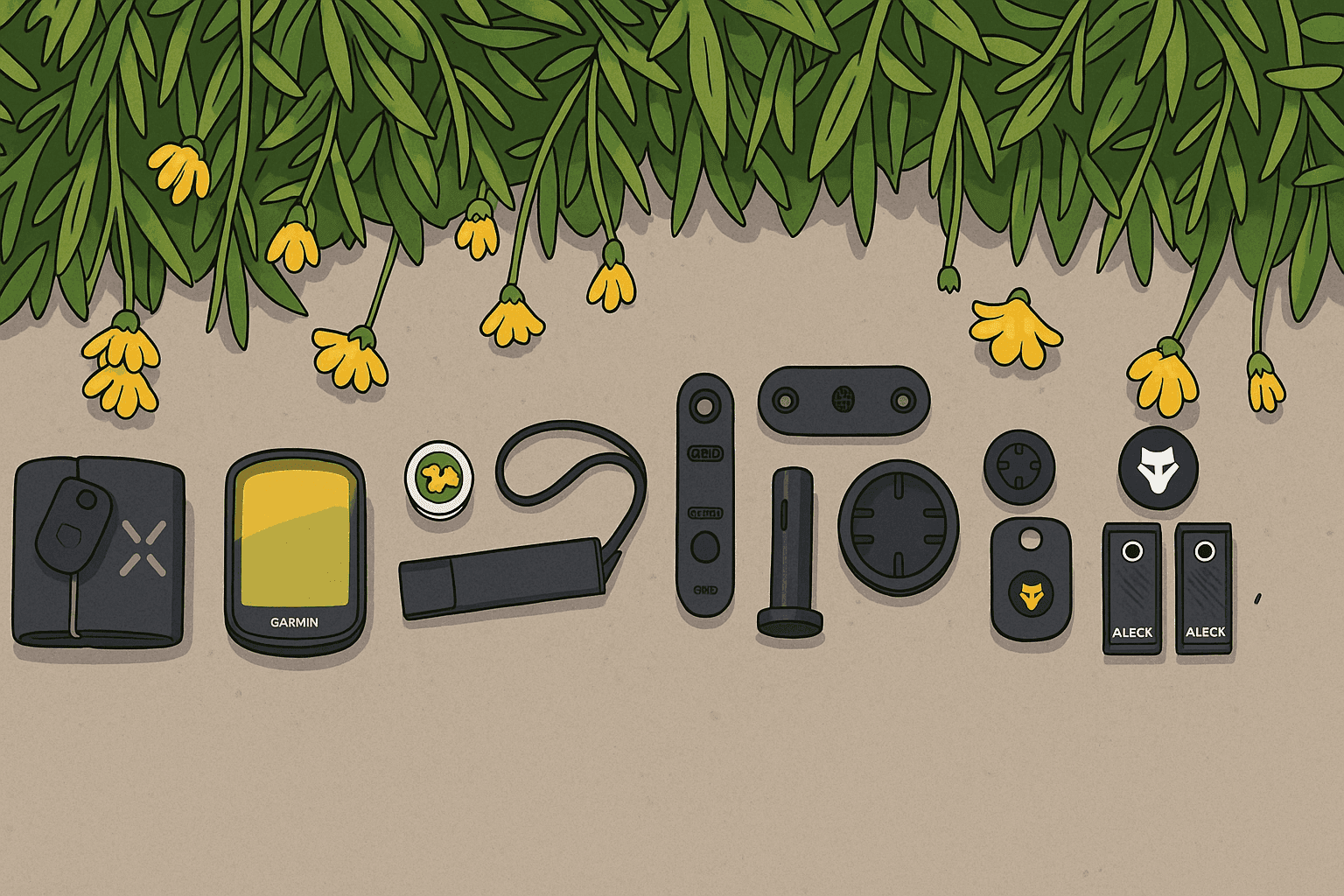
Bike theft is still painfully common. In the UK, one bike disappears roughly every seven minutes. In the US, the gap is even shorter at about three minutes. Those numbers explain why many riders now pair a quality lock with a hidden tracker.
I read these devices a bit like map layers. One layer is convenience, usually Bluetooth. The other is persistent positioning through GPS and 4G. Both can work, but they behave very differently once a bike is out of sight.
Most trackers fall into two broad camps. Small Bluetooth units are cheaper and easier to hide, and they usually connect through a Smartphone mobile app. Larger devices with GPS and cellular hardware can report location more directly, even when no nearby phone is helping them. The tradeoff is size and a recurring fee. During testing, I also looked closely at battery design, mounting options, weather protection, and how quickly each app became useful after setup.
The Quick List
| Tracker Name | Type | Best For | Key Features |
|---|---|---|---|
| Knog Scout | Bluetooth | Best overall | Apple Find My support and loud alarm |
| Apple AirTag | Bluetooth | iPhone users | Tiny size and easy concealment |
| Tile Sticker | Bluetooth | Android users | Broad app support and compact design |
| Invoxia GPS Tracker Classic | GPS and LTE | Audible alerts | Slim body and bundled service year |
| LandAirSea 54 | GPS and LTE | Budget GPS use | Strong sealing and low hardware price |
| Cycloop bike tracker | GPS and LTE | Long battery life | Extended runtime and security mounting |
Bluetooth Trackers
- 1. Knog Scout- Best overall. It uses Apple Inc. Find My support, adds a strong alarm, and charges by USB-C. That rechargeable battery setup will matter to riders who dislike coin cells.
- 2. Apple AirTag- Best for iPhone users. Tiny, light, and very easy to hide. It works especially well in places with lots of Apple devices nearby.
- 3. Tile Sticker- Best for Android users. The app works well on Android and iPhone, and Tile still has a broad Bluetooth network.
GPS and LTE Trackers
- 4. Invoxia GPS Tracker Classic- Best audible alarm among the full GPS options. Slim and practical, though its weather protection is weaker than I would like.
- 5. LandAirSea 54- Best budget GPS option. Bulkier than a Bluetooth tag, but strong on water resistance and value.
- 6. Cycloop bike tracker- Best battery life. Large and obvious, yet very much a fit-and-forget device if long runtime matters more than stealth.
Overview of Devices Reviewed
Across the group, the main split is straightforward. The Apple AirTag, Knog Scout, and Tile range rely on Bluetooth and nearby devices in a network. They avoid monthly fees and tend to be easier to conceal. Invoxia, LandAirSea 54, and Cycloop use the Global Positioning System with cellular support, so they can send richer location data without waiting for another person to pass by.
Weight also shapes real-world use. The AirTag sits at 11g, while the Knog Scout is 25g and still easy to hide under a bottle cage. At the opposite end, the Cycloop reaches 249g and mounts more like visible hardware than a secret tracker. Water resistance varies too, so checking the IP code matters if the bike lives outdoors.
Best GPS Bike Trackers With Bluetooth
Best Overall
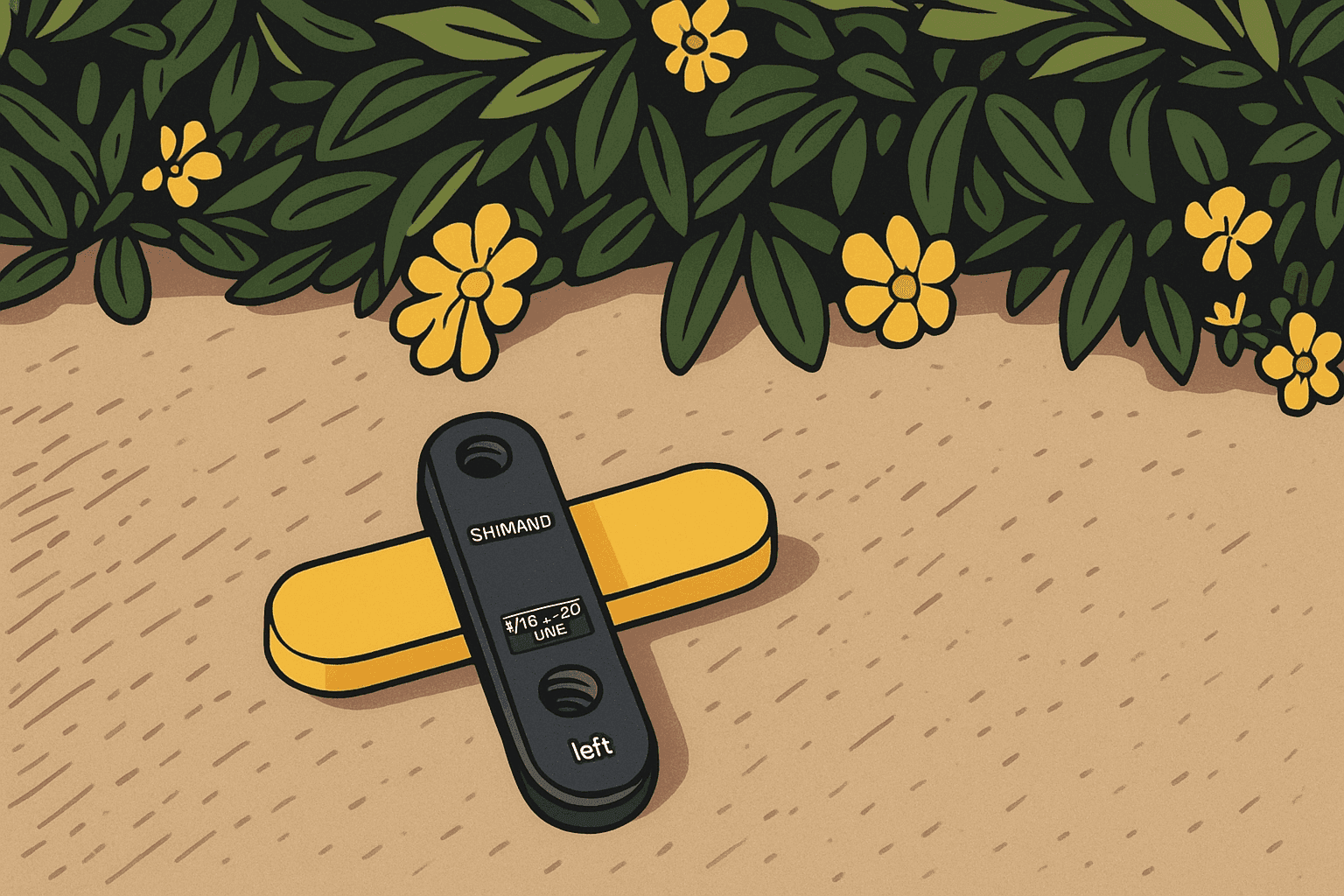
The Knog Scout stands out because it blends security and practicality better than most. It is a slim Bluetooth tracker with a loud alarm, motion alerts, and Apple Find My support, all in a housing that fits beneath a bottle cage. In use, that makes it easier to hide than many rivals.
Knog Scout Bike Alarm and Finder
Specifications
- Weight - 25g
- Dimensions - 107mm x 25mm x 8mm
- Network used - Bluetooth
- Water protection - IP66 water resistant
Reasons to buy
- Slim shape fits neatly under a cage
- Very loud alarm
- USB-C charging
- Simple mobile app
- Tamper-resistant bolts included
- Good value
Reasons to avoid
- Works only with iPhone
- Needs nearby Apple devices for location updates
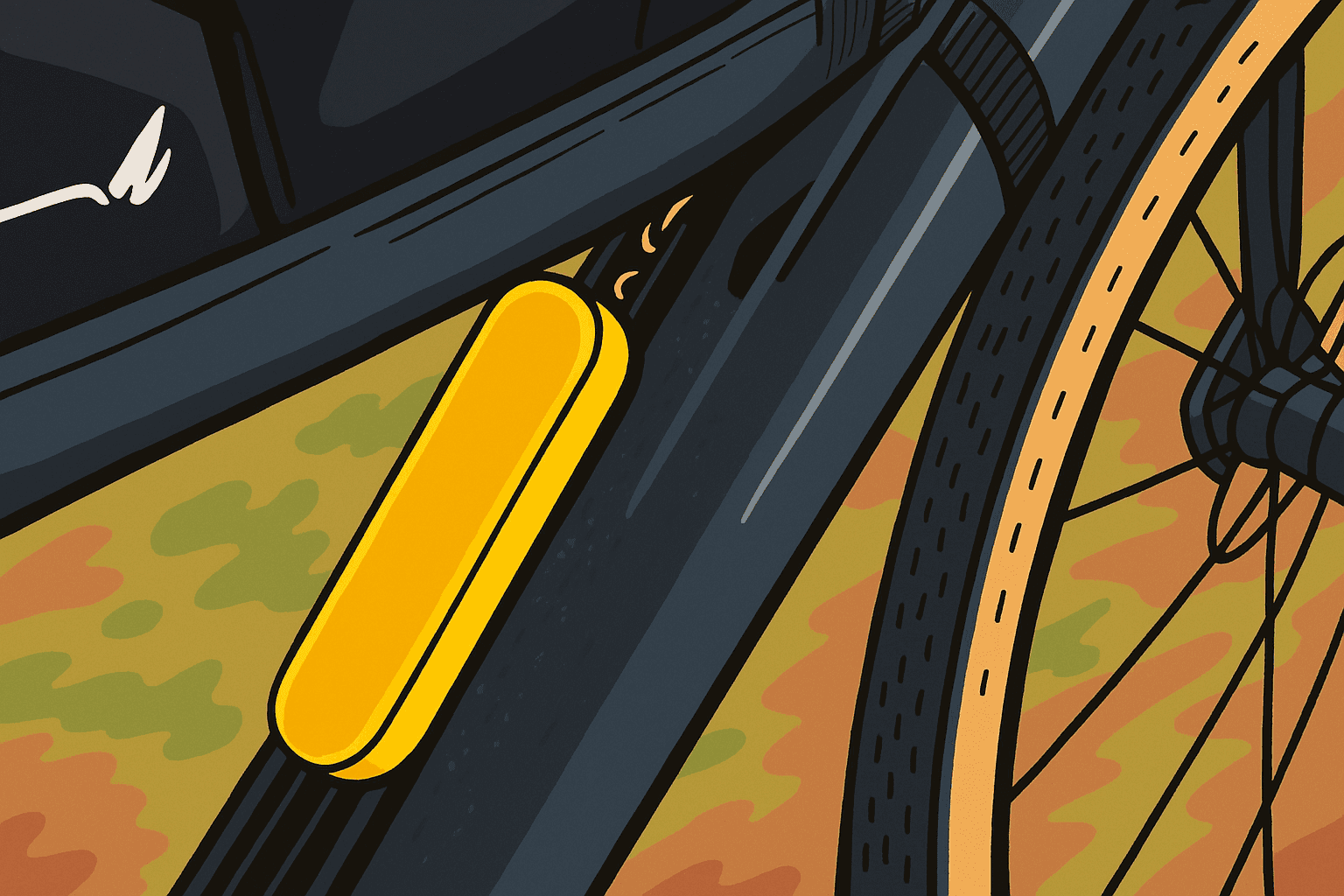
The Scout weighs 25g and uses Bluetooth rather than true live GPS. Even so, it makes good use of Apple’s large device network. You arm or disarm it in the Knog app, and if the bike moves, the unit can trigger an 85 dB siren and send an alert to your phone. If the bike is taken, the location appears through Apple Find My once another Apple device passes close enough to detect it.
What I liked most was how resolved the design felt after a few minutes of use. Setup took me only a short time, and the app layout was easy to read. The alarm was also one of the few in this test that felt genuinely attention-grabbing in open air. In practical terms, that can matter more than an extra feature buried in software.
The rechargeable battery lasts roughly two to six months, depending on use, and charges through USB-C in around four hours. A small LED gives a quick visual check on power and status. Knog also includes anti-tamper screws, plus an optional bright silicone cover if you want the unit to act as a visible deterrent rather than disappear into the frame.
There is no live cellular tracking here, so this is still dependent on Apple’s network. Even so, it feels like a more bike-specific step up from an AirTag and gives useful peace of mind without adding a monthly charge.
Best for iPhone Users

Apple AirTag
The AirTag remains one of the simplest ways to start tracking a bike. It is tiny, light at 11g, and easy to conceal in a frame bag, behind a mount, or elsewhere on the bike where a thief is unlikely to look first.
Specifications
- Weight - 11g
- Dimensions - 31.9 mm x 8.0 mm
- Network used - Bluetooth
- Water protection - IP67
Reasons to buy
- Very small
- Replaceable battery lasts about a year
- Low purchase price
- Good weather sealing
Reasons to avoid
- iPhone only
- Location depends on nearby Apple devices
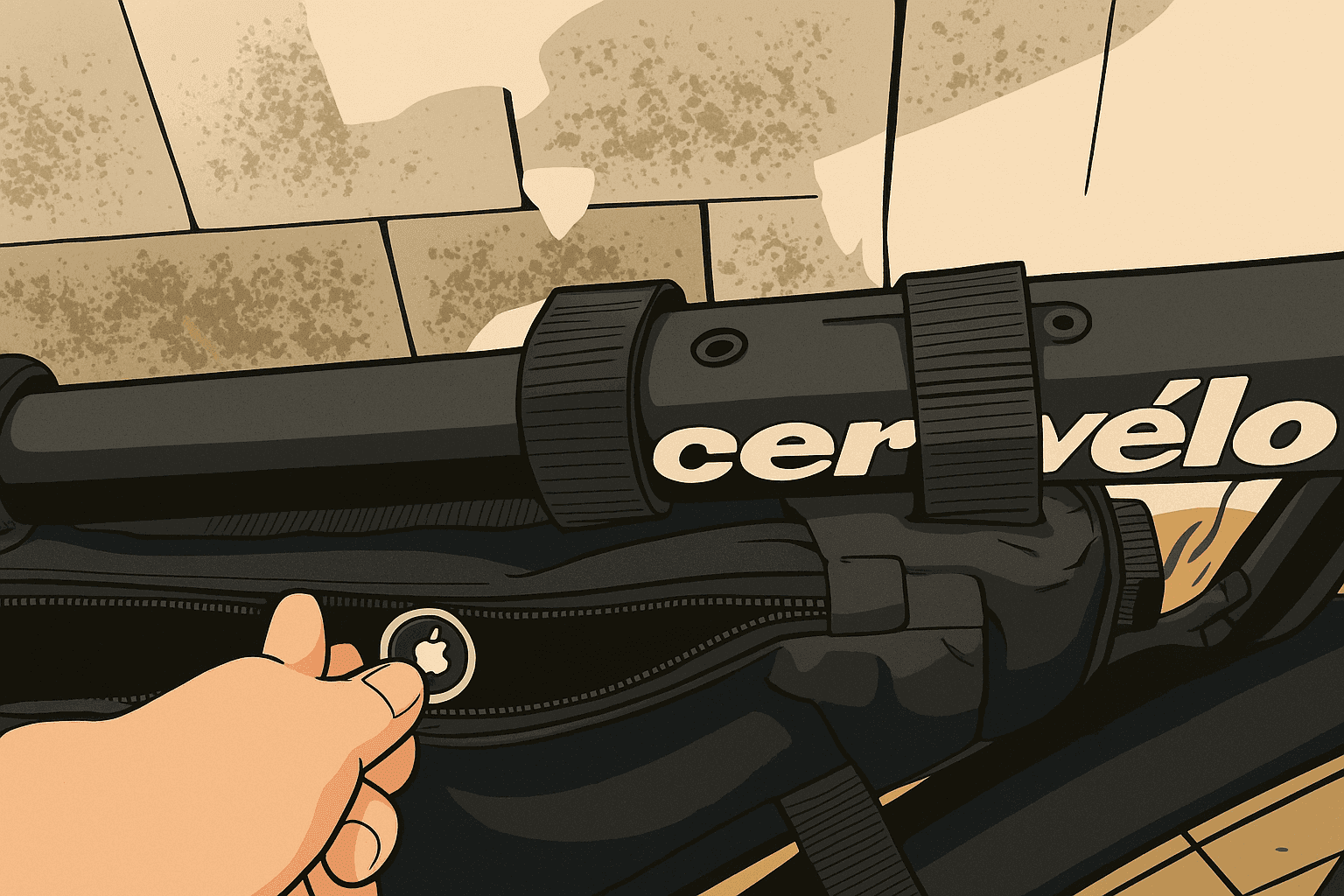
The AirTag works through Apple’s Find My network, which is vast. Nearby Apple devices detect its Bluetooth signal and relay location data back securely. In busy areas that can be very effective, since the missing bike only needs to pass within range of one compatible phone. In a city, that happens surprisingly often.
Its setup is as smooth as you would expect from Apple Inc. Pairing with an iPhone takes very little effort, and from there the unit runs on a CR2032 cell for up to a year. It is also well protected against water and dust for a device this small. On a bike, the real challenge is not technical but physical - finding a discreet hiding place that still lets the signal escape.
The AirTag is still an entry-level answer. It is best seen as an affordable locator rather than a full anti-theft system. But for many riders, that is enough to justify it.
Best for Android Users

Tile Sticker
Tile has been in Bluetooth tracking for a long time, and that experience shows. The Sticker is small, inexpensive, and works on both Apple and Android operating system devices, though it makes the most sense for riders who do not want to be tied to the Apple ecosystem.
Specifications
- Weight - 6g
- Dimensions - 27mm x 7.8mm
- Network used - Bluetooth
- Water protection - IP67
Reasons to buy
- Several model sizes available
- App is easy to work with
- Simple to hide on a bike
- Works on Android and iPhone
- Affordable
Reasons to avoid
- No built-in GPS or cellular radio
- Depends on the Tile network
- Battery replacement is limited to certain models
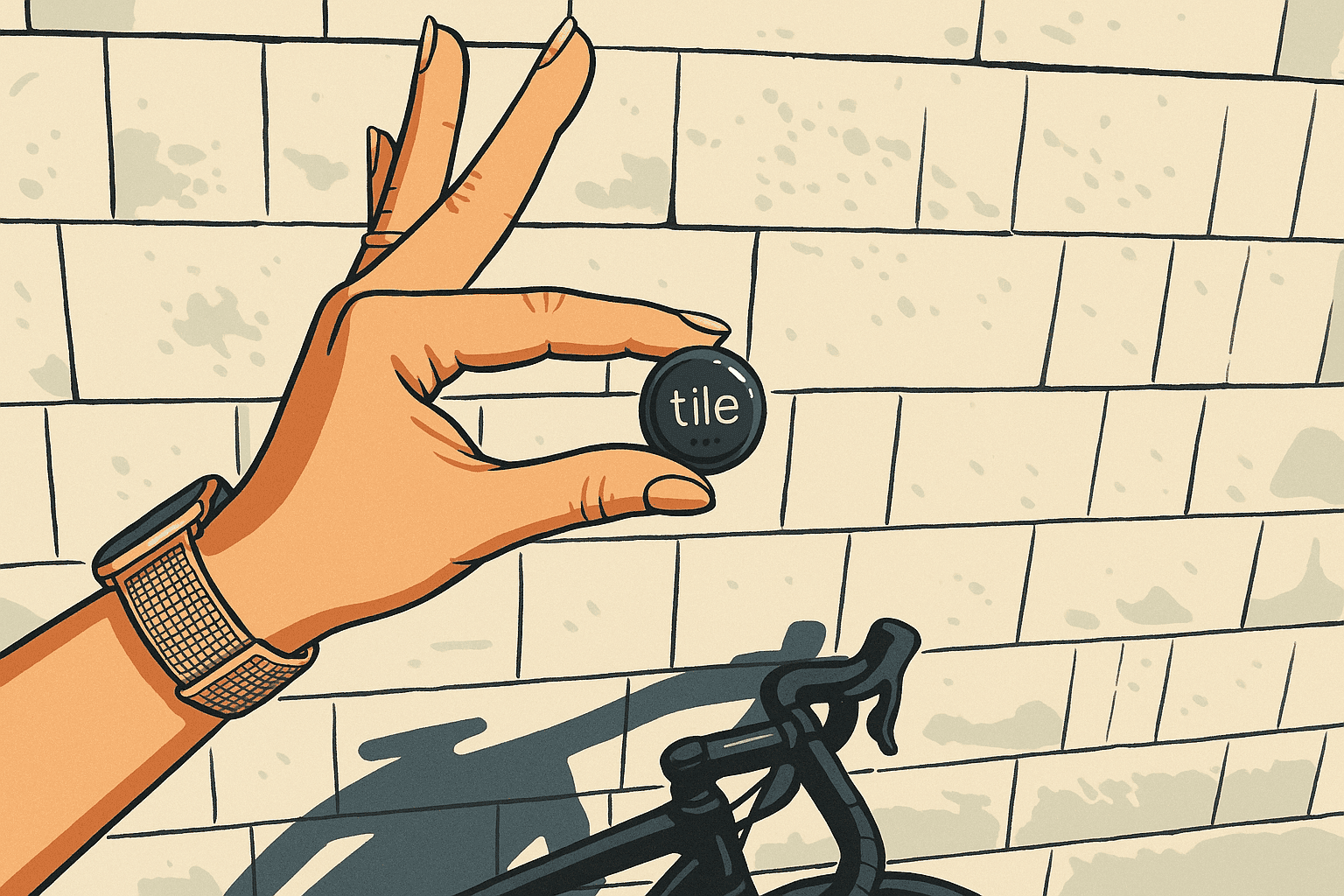
Tile units use their own network rather than Apple Find My. The Sticker form is particularly easy to place on a frame, inside a storage compartment, or near the bicycle handlebar area if you have an accessory pouch. Once paired in the Tile mobile app, you can ring the device and follow the signal strength as you move closer.
If the bike is stolen, Tile shows the last known position and can send an anonymous update when another device in the network detects it. That network is still sizable, and in my testing the app felt mature. I opened several screens and switching between trackers stayed quick, usually within a second or two.
Most Tile units have sealed batteries that last around three years, while the Pro line allows replacement. Premium subscriptions unlock extra history and alerts, though the basic service is enough for many riders.
GPS and LTE Trackers
Best Audible Alarm
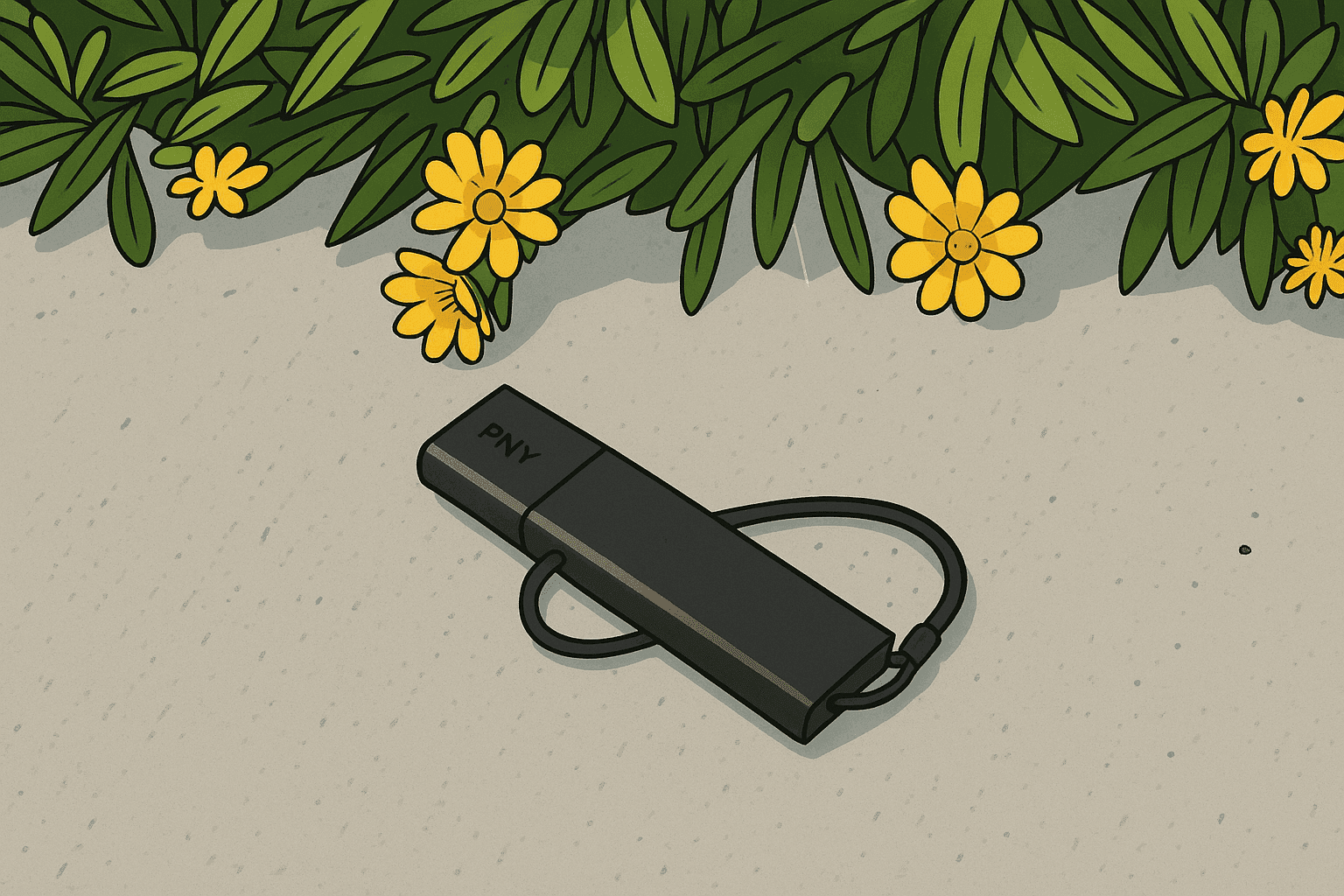
Invoxia GPS Tracker Classic
The Invoxia unit is one of the better examples of a slim GPS tracker for bikes. It mixes GPS, Bluetooth, Wi-Fi, and LTE-M connectivity in a body small enough to hide more easily than many cellular rivals.
Specifications
- Weight - 30g
- Dimensions - 105mm x 27mm x 9.5mm
- Network used - LTE-M and BT4.0
- Water protection - IP33 splash resistance
Reasons to buy
- Compact body
- Long-lasting rechargeable battery
- Helpful app
- Built-in GPS and cellular support
- One year of service included
Reasons to avoid
- Needs better weather protection
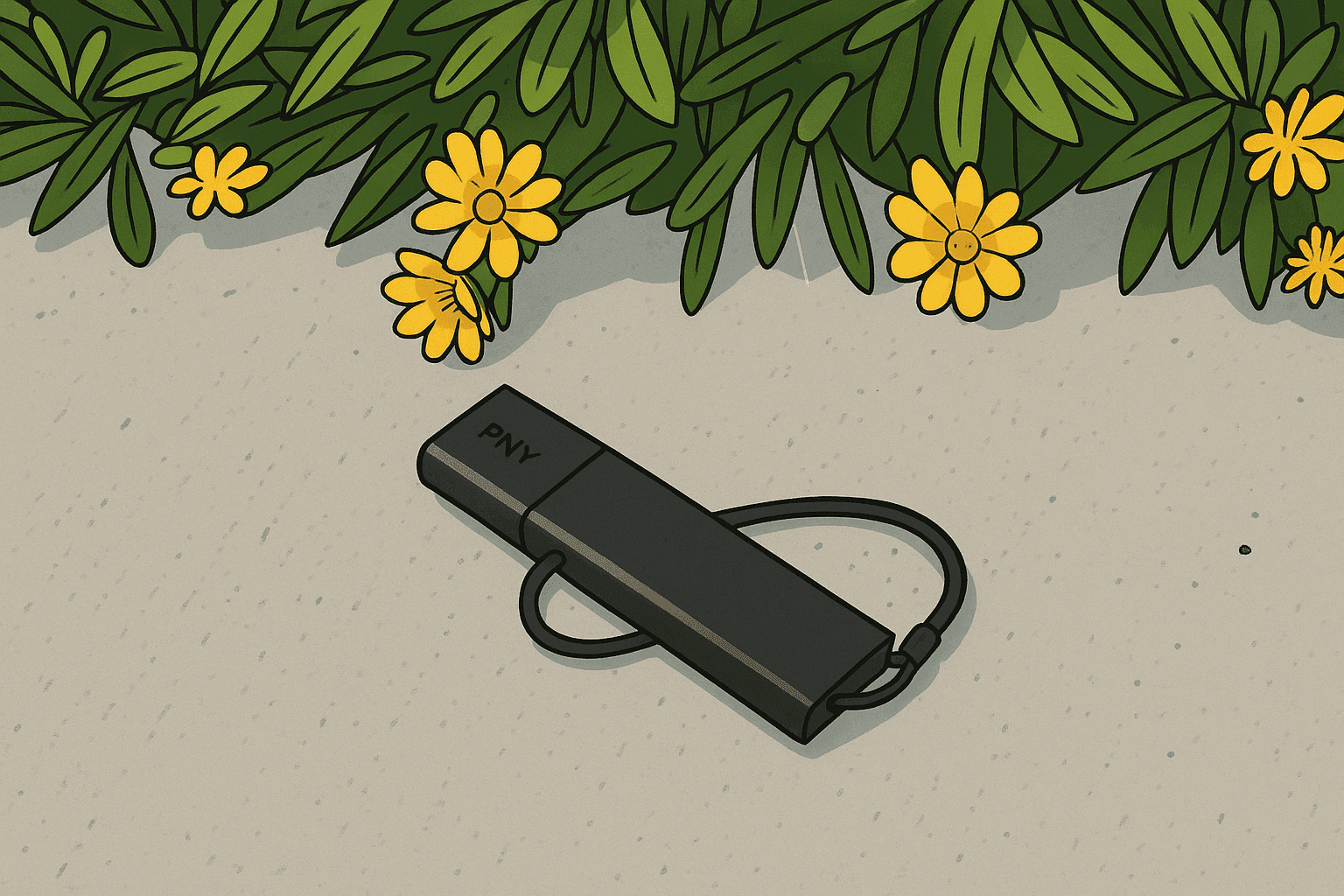
Invoxia uses low-power GPS outdoors, Wi-Fi indoors, and Bluetooth for nearby positioning. That layered approach reminds me of checking overlapping geospatial datasets. No single source is perfect, but together they can tighten the fix. Motion updates can arrive every few minutes, and there is an emergency boost mode that increases reporting frequency for a short period.
You can also set movement alerts after the unit has been still for five minutes, which is useful outside a cafe or workplace. Geofencing is included too, so the app can tell you when the bike leaves a defined area. The first year of service is bundled, which softens the entry cost.
My main hesitation is water resistance. It is only lightly protected, and on a commuter bike in bad weather I would want a better sealing strategy. The alarm is present, though I found it could be louder.
Best Budget Option

LandAirSea 54
The LandAirSea 54 is a compact puck-style GPS tracking unit with a low hardware price and a broad set of subscription plans. It is heavier than the Invoxia, but stronger on environmental sealing.
Specifications
- Weight - 82g
- Dimensions - 57.8mm x 24mm
- Network used - satellite positioning with cellular support
- Water protection - IP67
Reasons to buy
- Solid rechargeable battery life
- Status lights are useful
- Reliable GPS and cellular connection
- Good weather resistance
- Low entry price
Reasons to avoid
- Subscription costs add up
- App design feels dated
The LandAirSea 54 reports location through 4G LTE and multiple satellite systems. In practical use, that means steadier positioning than a Bluetooth tracker in places with weaker foot traffic. Update intervals depend on plan level, ranging from very frequent to more relaxed reporting.
The app and web portal let you check current position, stop history, and idle time. It also supports geofence alerts, battery warnings, and a sharing feature for trusted contacts. Historical playback is handy if you are trying to reconstruct a route after the fact. That sort of timeline view feels a bit like tracing a path from archived GPS logs.
It is dustproof and waterproof once sealed correctly, and the built-in magnet can help on metal mounting points, though finding a clean hiding place on a bike may take some trial and error. I spent a few extra minutes trying placements before settling on one that felt secure.
Best Battery Life
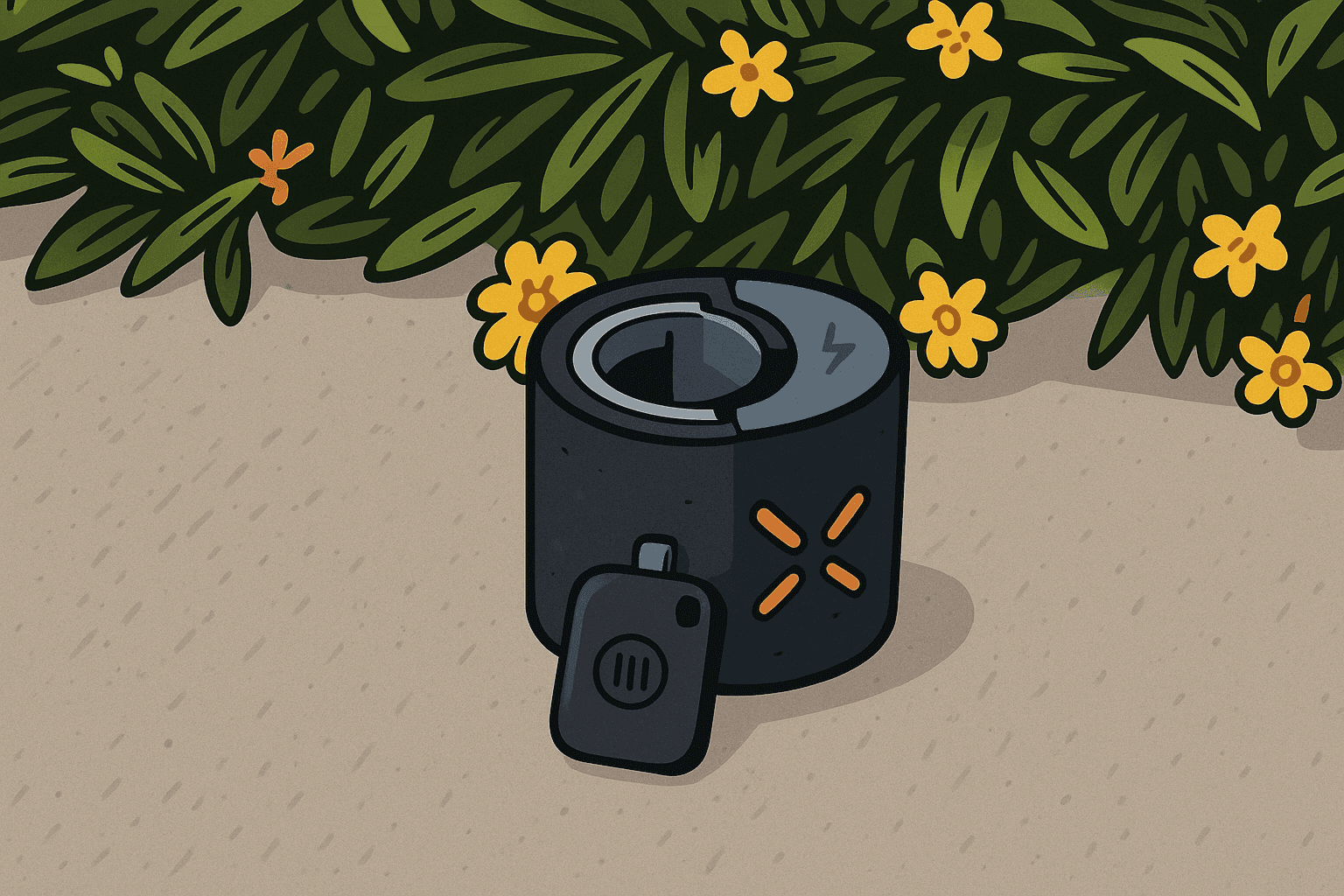
Cycloop bike tracker
Cycloop takes a very different route. This is a large anti-theft unit designed to clamp onto a Seatpost area or frame tube with dedicated security screws. It is far less discreet than a tag, but the long electric battery life gives it a practical appeal.
Specifications
- Weight - 249g
- Dimensions - 81mm to 90mm x 79mm x 62mm
- Network used - GPS and GLONASS
- Water protection - IP65
Reasons to buy
- Very long rechargeable battery runtime
- Built-in GPS and cellular support
- Key fob arming system
- Tamper-resistant fitting
- Trial service included
Reasons to avoid
- Large and visible
- May not fit every frame well
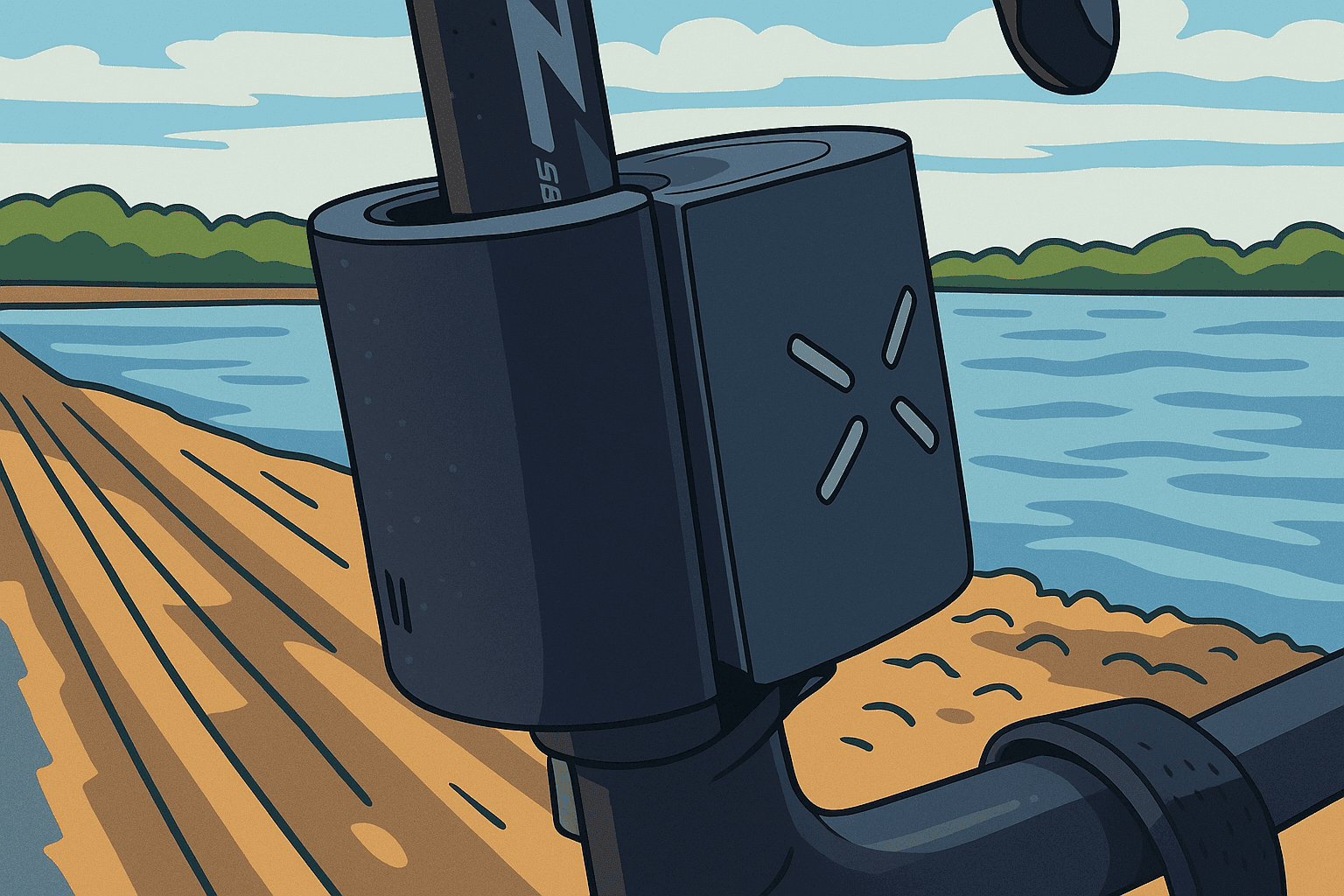
The unit uses a paired key fob. When the fob is away from the bike, movement can trigger alarm mode and send alerts through the app. That is a smart idea because it reduces false alerts while riding. The device also uses GPS and GLONASS with LTE CAT-M1 via an embedded SIM, though it does not maintain a constant live link in the same way some other trackers do.
Battery life is its headline feature. With side LEDs switched off, it can last up to a year. Use the lights regularly and that drops to roughly three months. Even so, that is impressive for a tracker of this type. I can see the appeal for riders who want to charge a device rarely and leave it in place.
The downside is obvious the moment you see it mounted. It is bulky, and on a sleek bike it stands out. There is also no strong siren to create a public scene if someone tampers with it.
How We Test
Our testing starts with the basics - installation, setup time, and daily usability. A tracker may look good on paper, but if the mobile app is awkward or the mount feels flimsy, that matters. I also pay attention to how long it takes before the interface feels readable. Some apps settle into a usable rhythm in under two minutes, while others need more patience.
Checking accuracy is trickier. The best method I have found is to compare several devices against a known location in open space, then repeat the process and look for drift. It is a little like validating a coordinate layer against a trusted base map. Devices that combine GPS with another positioning method often produce steadier results.
Running several trackers at once helps too, because the differences become visible quickly. Battery behavior, app latency, and signal recovery all show up more clearly in direct comparison.
How to Choose a GPS Tracker for Bikes
Start with the bike itself and the way you use it. A small road frame leaves less room to hide a device than a commuter with bags or accessories. If the bike lives outdoors or sees winter use, look carefully at the IP code and aim for a unit rated at IP65 or above.
The next decision is connectivity. Bluetooth trackers are cheaper and simpler, but they rely on nearby phones in a wider network. Full GPS devices with 4G or Wi-Fi support offer better independence and richer data, though they usually need a subscription. If you often leave the bike in quieter areas, that extra independence can be worth paying for.
Battery type matters more than many people expect. A rechargeable battery is convenient if you already top up other accessories through USB-C. A replaceable coin cell can be easier if you want to install the tracker and forget it for months. In either case, check how easy it is to access power status in the app.
Two extra checks are worth your time. First, see whether the tracker offers geofencing or route history. Those tools can make the data more useful after a theft. Second, pay attention to tamper alerts and installation method. A device that warns you early and fits your frame cleanly is easier to trust day to day.Discreet placement and tamper resistance matter because a tracker only helps if it stays hidden long enough to keep reporting.
Discreet placement and tamper resistance matter because a tracker only helps if it stays hidden long enough to keep reporting.
- Discreet mounting
- Useful app alerts
Weather protection still matters, and so does alarm strength. If the unit will sit on more than one bike over time, check compatibility with different frame shapes before you buy. I would also look at service support in your area, especially for trackers that depend on cellular coverage or paid plans.
How These Devices Work
How GPS and Bluetooth Tracking Differ
Bluetooth trackers send out a short-range signal. If another compatible device passes nearby, that device can relay the location to you through the network. Apple AirTag uses Apple’s Find My system, while Tile depends on devices running the Tile app. These are very effective in dense urban areas, but less reliable in quiet rural spaces.
A dedicated GPS tracker for bikes works more directly. It calculates location from satellite signals through the Global Positioning System, then sends that data over a mobile network such as 4G. Some units also use Wi-Fi or Bluetooth to improve positioning indoors. This produces more consistent reporting, though it increases size and ongoing cost.
That is the key distinction behind most buying decisions. If you want the smallest possible unit, choose Bluetooth. If you want more dependable location updates, choose a true GPS tracking unit.
Frequently Asked Questions About GPS Bike Trackers
Can You Put an Anti-Theft Tracker on a Bike
Yes, and there are several styles. Some are simple Bluetooth tags like an AirTag. Others are purpose-built GPS units with their own data connection. The more advanced models work better away from crowds, but they still need cellular coverage to send their location back.
Where Should You Hide One
The best place is somewhere a thief is unlikely to inspect quickly. Under a bottle cage works well for products built for that spot. Other riders tuck a small tag inside a frame bag or near the Seatpost area. Some bikes also allow hidden installation inside the frame. The main goal is concealment without blocking signal too heavily.
Can Thieves Disable a Tracker
Sometimes, yes. Thieves know to look for obvious hardware. That is why discreet placement matters so much. A tracker disguised as a normal bike component is harder to notice, and tamper-resistant bolts add a useful layer of delay.
Are They Worth Buying
Yes, within reason. A tracker does not replace a serious lock, and it does not guarantee recovery. Still, it can provide location data that helps you and the police act quickly. If the bike has high value or sentimental weight, that extra layer is easy to justify.
How Accurate Is GPS
The Global Positioning System has been around since the 1970s and works through satellites orbiting high above Earth. A receiver estimates position from those signals and may also use GLONASS or another system to improve accuracy. In open areas, the fix can be quite precise. Indoors or near tall buildings, accuracy may drop, which is why many trackers mix GPS with Bluetooth or Wi-Fi.
Glossary
- GNSS- A broad term for satellite navigation systems.
- GPS- The US-operated satellite positioning system used by many trackers.
After spending time with all of them, my view is fairly steady. If you want the best balance of size, usability, and real bike-specific design, the Knog Scout is the strongest all-round pick. If budget or simplicity is the main concern, an AirTag still earns its place. And if richer tracking data matters most, one of the dedicated GPS units is the better tool.


No comments yet. Be the first to share your thoughts.