
Qinetiq Team Wins Mod Contract For Deployable Eloran


No audio is available for this piece.
QinetiQ is leading Team Elaris on a £6 million UK Ministry of Defence contract to shape a deployable ELoran concept for more reliable long-range navigation. The core point is straightforward: the MOD wants a field-ready backup for satellite navigation when GNSS becomes unreliable or unavailable.
Urgent Compass Work Will Shape the Next Stage
The effort sits under the two-year Urgent Compass program, and the output will guide later work tied to demonstration, production, and deployment. From what I have seen in positioning systems, that early concept phase matters because it sets the practical boundaries long before hardware reaches a contested site.
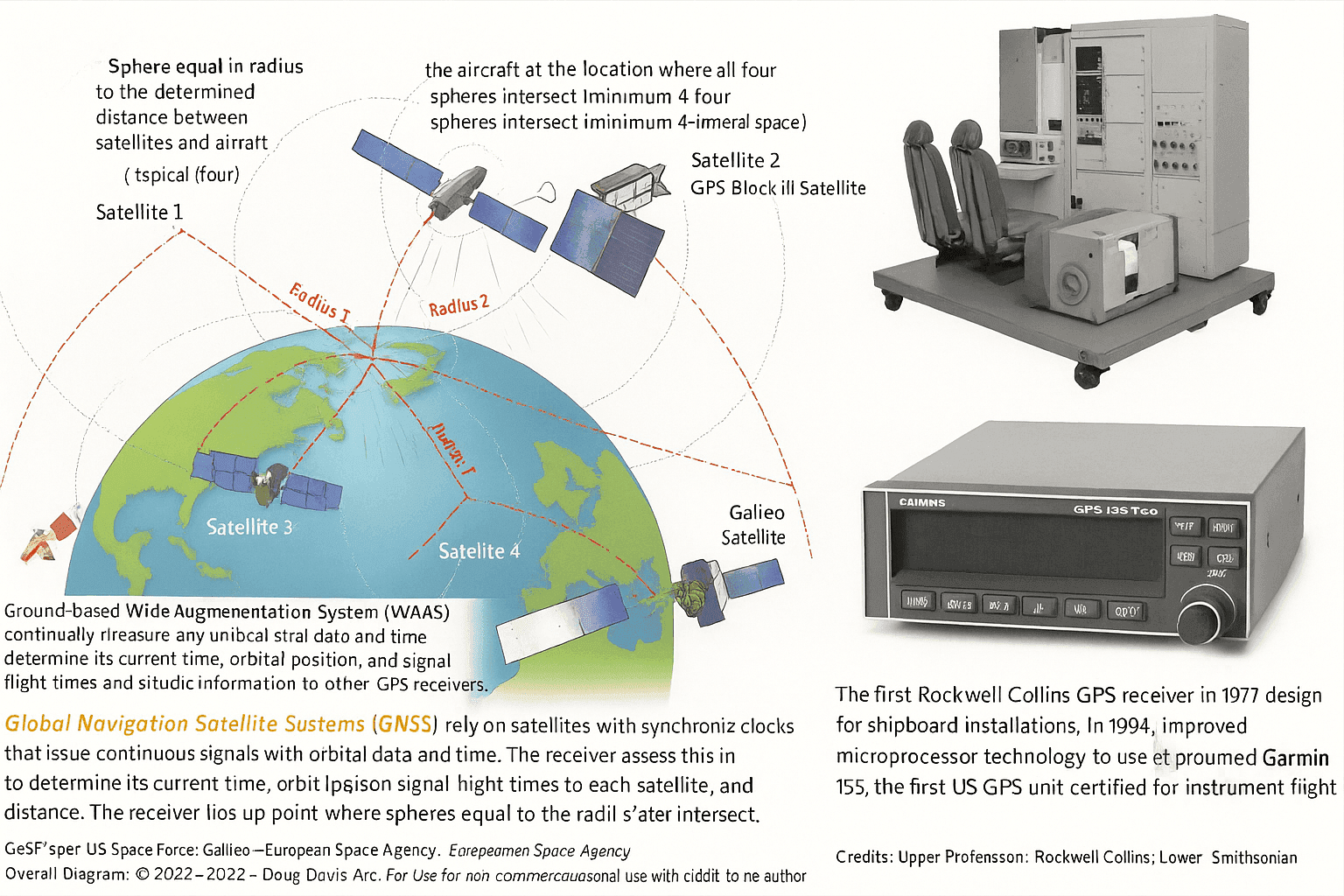
Military forces in the United Kingdom and allied countries depend heavily on position, navigation and timing, usually delivered through GNSS and the wider Global Positioning System ecosystem. The weakness is well known. Satellite signals can be jammed or spoofed in combat conditions, and once that signal picture is corrupted, the result can be serious. Troop movements may be sent off course, and guided weapons may follow the wrong path. I tend to read that risk a bit like bad GPS data on a map overlay: if the base layer is wrong, every decision built on top of it drifts with it.
Why ELoran Matters for Assured PNT
That pressure is pushing armed forces toward tougher alternatives that can support conventional satellite navigation. ELoran is one of the stronger options because it is a terrestrial radio navigation system that keeps working when satellite-based PNT is denied. It builds on the older LORAN and Loran-C lineage, using low frequency radio signals and fixed infrastructure rather than a satellite source. In practical terms, that gives critical infrastructure and defense users another reference when space-based signals are under attack.
At a basic level, eLoran works through powerful ground transmitters that send precisely timed low-frequency signals across long distances. A receiver compares the arrival time from more than one transmitter and calculates position from those timing differences, while the same signal can also deliver an accurate time reference. Because the signal is strong, ground-based, and separate from satellites, it is generally harder to disrupt with the same kind of jamming or spoofing that affects GNSS. It also travels well through areas where weaker satellite signals can struggle.
For assured PNT, eLoran matters because it gives operators an independent timing and navigation layer when GNSS cannot be trusted.
For assured PNT, eLoran matters because it gives operators an independent timing and navigation layer when GNSS cannot be trusted.
The contract also expands QinetiQ’s existing role in assured PNT work with the MOD. That broader effort already includes the Robust Global Navigation System program, which forms another part of the UK approach to resilient navigation capability for military use. The same logic also matters for aviation and maritime operations, along with other services that rely on dependable timing and positioning.
Focus on Rapid Deployment in Contested Areas
Urgent Compass is aimed at ELoran-based options that can be moved quickly into challenged locations around the world. That detail stands out. A deployable system is different from permanent national infrastructure in the United States or work historically associated with the United States Coast Guard. Here, the emphasis is on speed and portability, with a usable radio navigation layer that can be set up where satellite service cannot be trusted.
Team Elaris brings together QinetiQ with UrsaNav and other specialist partners that work in PNT technology. UrsaNav is widely associated with eLoran system engineering and timing resilience, while partners such as Hellen Systems are often linked to receiver and user-equipment expertise. In practice, those roles matter because a deployable network has to line up the transmit side with the equipment that actually reads the signal in the field.
| Partner/Company | Role/Expertise |
|---|---|
| QinetiQ | Program leadership and defense systems integration |
| UrsaNav | eLoran engineering and resilient timing work |
| Hellen Systems | Receiver and user-equipment expertise |
The group is examining both deployable systems and fixed ELoran approaches, drawing on experience across navigation engineering and resilient timing design. In a project like this, that mix usually matters because the evolution from concept to deployment tends to expose small system-level issues within the first few months of technical review.
Beyond this contract, eLoran work continues to surface in wider resilience planning. The UK effort fits a broader pattern in which governments and specialist firms keep revisiting terrestrial backup timing and navigation for periods when satellite signals are degraded. That does not mean every region is building the same system, but it does show that assured PNT remains active well beyond one MOD award.
The article does not provide enough detail to verify specific event calendars or conference schedules, and it does not identify a confirmed Nav-Sync Pulse role in this program. Those points would need a separate update once official program material is available.


