
Geoforce Gt1c Expands Cellular Asset Tracking


Geoforce has introduced the GT1c, a new GPS tracking unit built to make large-scale asset tracking more practical for rugged field use. Geoforce is an asset tracking and management company, and the core idea here is straightforward: give customers a lower-cost cellular option that sits alongside the company’s satellite hardware. That gives buyers a clearer choice between cellular and satellite tracking while keeping more asset classes inside the same asset management system without stretching the budget.
No audio version is available for this content.
Built as a Lower-Cost Addition to the Lineup
According to Geoforce, the GT1c was designed with a tighter cost profile and a more focused purpose than some of its existing devices. It runs on the AT&T cellular network, which positions it for current internet of things deployments in business settings across the United States. From what I’ve seen in tracking hardware rollouts, that kind of split between satellite and cellular usually improves scalability because teams can match the device to the asset instead of over-equipping everything.
The launch also follows the collaboration Geoforce announced with AT&T Business in March. This tracker is the first product to come out of that relationship. Beyond the GT1c, the company’s lineup also includes satellite tracking hardware and the software platform that pulls those location signals into one system.
How the Device Feeds Location Intelligence
The GT1c sends location data into Geoforce’s mobile-enabled asset intelligence platform, giving field teams and asset managers better visibility into where equipment is and how it is being used. I tend to read systems like this a bit like map layers in GIS. One point on its own has limited value, but once movement and utilization start lining up, the picture becomes much more useful for day-to-day decisions.
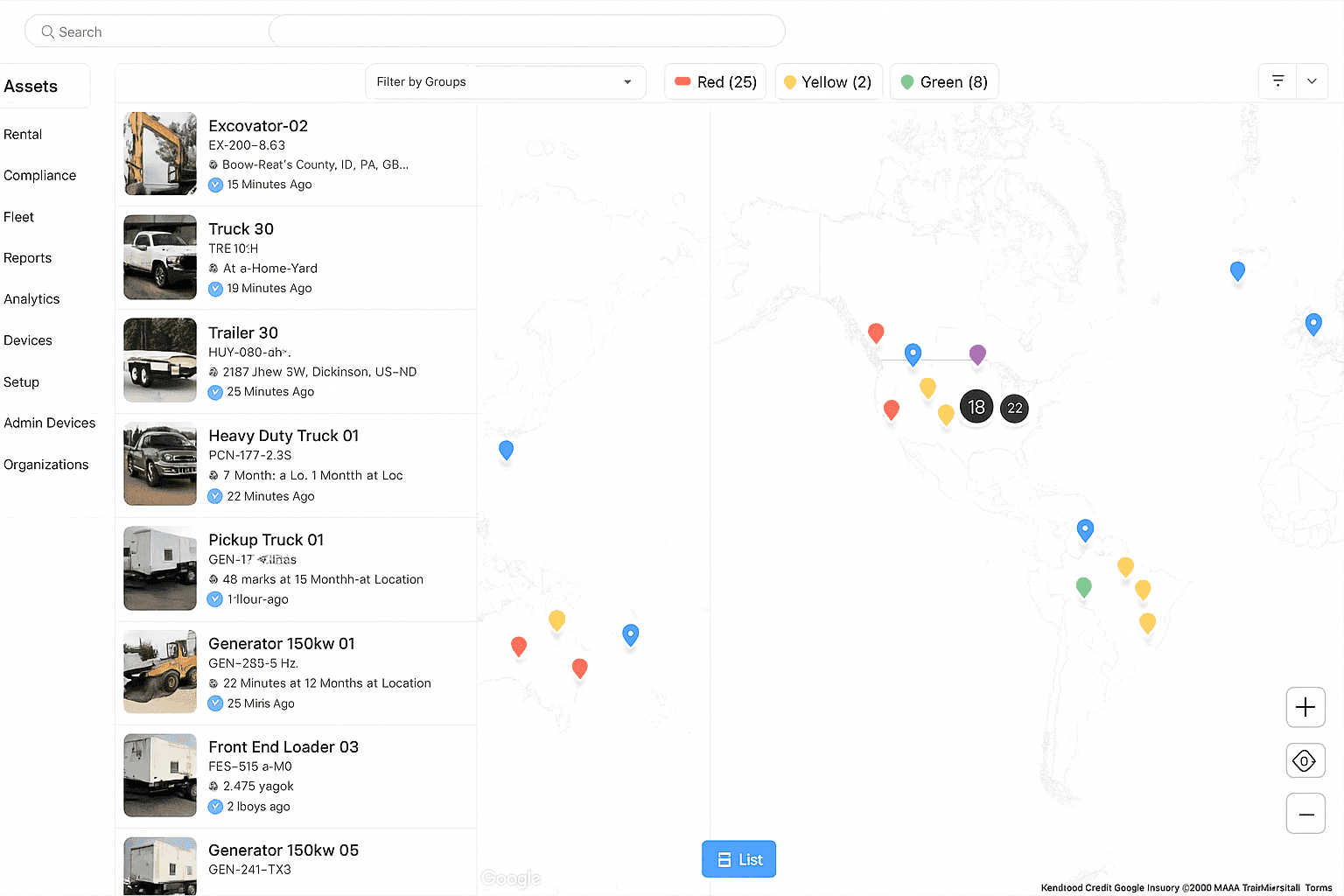
That visibility matters in sectors where equipment shifts constantly between job sites, storage yards, and active service. The same kind of tracking logic also fits logistics fleets and utility equipment, where knowing the last verified location can save time in the field.
Rugged Design for Harsh Operating Conditions
Geoforce says the GT1c uses an encapsulated body and a reinforced bezel so it can hold up in hazardous settings with heavy vibration and wide temperature swings. That combination suggests the computer hardware was built with real industrial exposure in mind rather than office-grade assumptions. In practical terms, it is aimed at customers who need reliable asset visibility in places where shock, heat, and gas exposure are part of normal work.
The company also says the price point makes it realistic to tag far more equipment than before. That changes the economics of asset tracking because the customer can extend coverage beyond top-tier machines and into everyday assets that still affect efficiency when they go missing or sit idle.
- Top-tier machines that need constant oversight
- Everyday assets that still affect efficiency when they are missing or idle
Used well, that broader coverage can improve efficiency and reduce asset loss. It can also help teams get more use out of equipment they already own.
Pilot Results With Black Diamond Equipment Rental
A pilot with Black Diamond Equipment Rental gave the new unit an early field test. In that program, the company increased tracked inventory by 26% by adding visibility to smaller and mid-tier rental equipment used in construction and oil and gas work. I looked at that result as a practical signal rather than a marketing flourish. When tracking expands into overlooked assets, the operational gains usually show up in staff time first.From what I’ve seen, the biggest win from tracking smaller equipment is usually simpler location checks and less time spent hunting for assets that should already be in rotation.
From what I’ve seen, the biggest win from tracking smaller equipment is usually simpler location checks and less time spent hunting for assets that should already be in rotation.
That appears to be the case here. Geoforce said the wider deployment reduced operational friction and is expected to save more than 500 hours each year. Even with a brief summary, that suggests the value came from easier location checks and less manual searching across the fleet.
Where the GT1c Fits Best
The GT1c is positioned for demanding sectors such as oil and gas, as well as construction activity where assets move often and conditions can be rough. It also fits broader industrial use, including equipment rental work where inventory visibility directly affects turnaround time and service readiness. Geoforce systems are also used to track vehicles, field equipment, containers, and tools, depending on the job and coverage needs.
| Industry |
|---|
| Oil and gas operations |
| Construction and equipment rental |
Geoforce’s service model extends beyond a single local deployment, with support for operations that need coverage across multiple regions and, in some cases, international movement. This product announcement does not outline any acquisitions or wider expansion moves beyond the AT&T Business partnership already mentioned here.
For purchasing or support, the practical next step is to contact Geoforce through its sales or customer support channels on the company website.


