
Hexagon AB Completes Inertial Sense Acquisition


Hexagon AB has closed its purchase of Inertial Sense, a move that directly expands its assured positioning, navigation, and timing capabilities with tactical-grade GNSS+INS technology. The acquisition was completed in May 2024, giving Hexagon a stronger footing in satellite navigation and resilient navigation systems built for environments where GPS can lose accuracy or drop out.
This addition deepens Hexagon’s long-range push into advanced navigation technology. From what I’ve seen in positioning markets, that kind of upgrade matters when companies want tighter performance in aerospace and defence use cases without adding unnecessary size or cost.
Based in Provo, Utah, Inertial Sense will keep delivering its inertial navigation system products and will become part of Hexagon’s Aerospace & Defence Division in the United States. The company is known for compact GNSS+INS modules and related motion-sensing technology built for precise positioning in small, cost-sensitive systems.
Why the Deal Matters for Assured PNT
According to Stig Pedersen, president of Hexagon’s Aerospace & Defence Division, Inertial Sense adds strong GNSS+INS innovation to the company’s assured PNT roadmap and broadens resilient positioning capability in GPS-denied settings. The strategic logic is fairly direct: Hexagon gains smaller tactical-grade navigation hardware and sensor fusion expertise that can strengthen aerospace and defence programs where signal loss is a real operating problem.Resilient navigation matters most when GPS becomes unreliable, because the platform still needs to hold position and motion awareness with enough accuracy to keep working safely.
Resilient navigation matters most when GPS becomes unreliable, because the platform still needs to hold position and motion awareness with enough accuracy to keep working safely.
Inertial Sense Footprint and Market Reach
Inertial Sense supplies high-performance navigation technology and says more than 30,000 of its inertial systems are already in use worldwide across defence and commercial deployments. I read that as a useful signal of field maturity, a bit like checking repeated GPS fixes to see whether the pattern holds over time.
The company was founded in 2013 by Walt Johnson. He started Inertial Sense a decade ago with a clear goal: make precision navigation lighter and more affordable so it could be used almost anywhere and by far more businesses.
Inertial navigation systems are still widely used today, especially when operators need stable position and motion data during weak-signal or no-signal conditions. An INS tracks movement with onboard sensors, while GPS estimates location from satellite signals, so the two are often paired to cover each other’s weak spots.
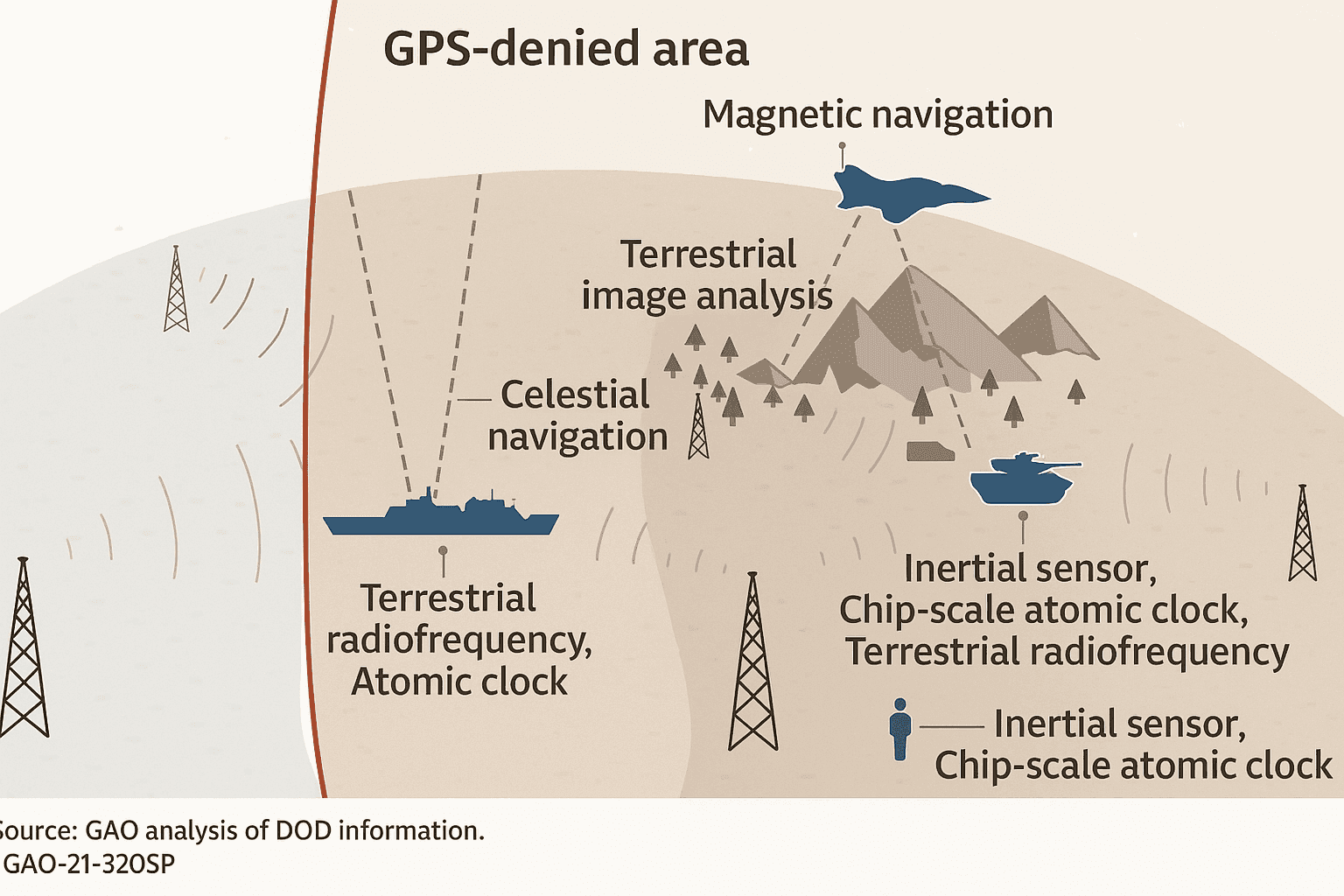
Sensor fusion is the process of combining measurements from sources such as GNSS and inertial sensors into a single position estimate. In positioning solutions, that helps smooth errors and maintain continuity when satellite data turns noisy or disappears for a short stretch.
Where Its Technology Fits
That approach fits practical use cases where compact navigation hardware has to keep working in motion. A module such as the IMX-5 can support unmanned aerial vehicle guidance or robotic positioning, especially where fast updates and stable tracking matter.
Within Hexagon’s broader portfolio, the deal also sits alongside earlier acquisitions that expanded geospatial and design capability. Hexagon acquired Intergraph in 2010, acquired Bricsys in 2018, and Leica Geosystems is owned by Hexagon.


