
Viavi And Ground Control Team Up For More Reliable Maritime Tracking


Viavi Solutions has entered a partnership with Ground Control, a specialist in satellite communication and positioning, to fold the Secure µPNT STL-1000 into the RockFLEET Assured platform for asset tracking and dependable navigation.
A Compact Receiver Built for Harsh Signal Conditions
The Secure µPNT STL-1000 from Viavi Solutions is a small software-defined receiver made to work with the company’s SecureTime altGNSS LEO services. In practical terms, it is designed to support precise timing with holdover, while also enabling tracking, authentication, and assured navigation when the surrounding signal environment is denied, degraded, or disrupted. In aerospace and military work, that D3SOE condition is where the difference between a clean signal and a trusted one really matters.
From what I’ve seen in positioning technology, the challenge is rarely just getting data. It is getting data you can trust when the Global Positioning System or broader GNSS layer starts to look noisy, much like a bad GPS trace before filtering. This module is aimed at that exact problem, using satellite navigation inputs in a more resilient way and supporting operations that cannot afford signal collapse under pressure.
Why Viavi Sees This as a Cyberwarfare Issue
Doug Russell, senior vice president and general manager for Aerospace and Defense at Viavi, said radio jamming and spoofing have become standard elements of cyberwarfare, making resilient PNT technology a necessity rather than a nice extra. He said the Secure µPNT STL-1000 is intended to keep operations running without interruption, particularly in contested settings where communication and navigation integrity can break down quickly.
He also pointed to the unit’s small footprint and low electric energy consumption. That combination matters for embedded electronics used in constrained systems, including:
- Maritime hardware
- Defense platforms
- Consumer electronics-adjacent device classes
- Tightly managed infrastructure environments
In each case, low-power broadcasting and stable measurement performance are important.
What Ground Control Adds to the System
Alastair MacLeod, chief executive officer of Ground Control, said growing frequency of jamming and spoofing means commercial and military users face more risk if they depend only on GPS and GNSS signals. By adding Viavi’s receiver to RockFLEET Assured, the company is creating a secondary trusted position source for mission-critical work across defense, maritime, and critical infrastructure operations.
When I checked the announcement against the core product positioning, the logic was fairly clear within a couple of minutes. Ground Control brings the maritime-facing assured navigation framework, while Viavi contributes the hardened technology stack behind timing, authentication, and signal resilience. It is a layered approach, and I tend to read these integrations the same way I compare GIS overlays: one layer gives coverage, but multiple aligned layers create confidence.
RockFLEET Assured’s Role at Sea
RockFLEET Assured is described as a marine-grade assured position, navigation, and timing solution built to support vessel navigation and monitoring when GNSS is unavailable or compromised. For vessel operators, that means a more dependable path for oversight and route awareness in environments where a communications satellite link, standard satellite signals, or conventional positioning data may no longer be enough on their own.
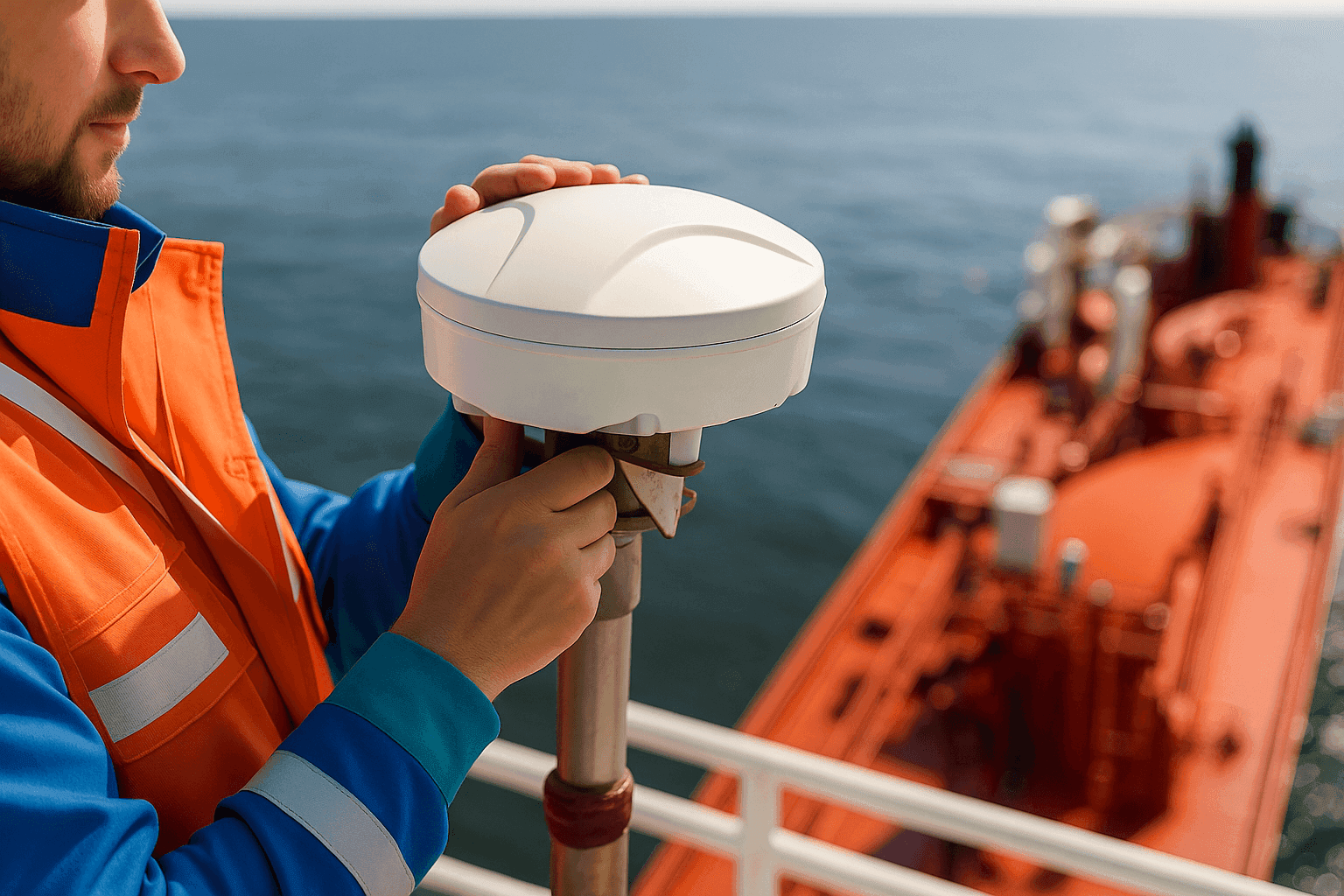
The broader value here extends beyond ships on the water. Assured positioning feeds into data handling, communication continuity, and operational technology across infrastructure networks, including environments that resemble data center control chains more than open-sea navigation. In that sense, the partnership strengthens an ecosystem where trusted location and timing data underpin secure operations. It also fits Viavi’s longer technology arc, from its JDSU roots in measurement and electronics to modern resilience tools that now show up across defense and communication systems.


