


What Is Contract Address in Crypto? The Unique ID For Smart Contracts


What is contract address in crypto? It is the distinct on-chain location assigned to a smart contract after deployment on a Blockchain. This identifier lets users, apps, and other contracts send information and data to the contract so its programmed functions can run. Because the address is recorded on the network, it becomes a persistent public reference point for interacting with that contract.
Key Features of a Contract Address
- Unique Identifier: Every contract address is one of a kind within its own blockchain network, whether on Ethereum or Binance Smart Chain.
- Permanent Nature: After a contract is deployed, its address is fixed and cannot simply be edited or removed.
- Interactive Use: A user can connect through a cryptocurrency wallet and submit transactions to trigger actions defined in the smart contract.
- Transparent Record: Activity tied to the address is stored on-chain, which makes the history visible and auditable.
How a Contract Address Is Created
- Code Development: A developer writes the contract logic in a language such as Solidity or Vyper.
- Deployment Process: The contract is published to the blockchain by using developer software or a compatible wallet.
- Address Generation: At deployment, the network derives the new address from factors such as the creator account and its transaction count.
- Live Interaction: Once active, the contract can receive calls from people, platforms, and other smart contracts.
Common Uses for Contract Addresses
- Token Contracts: They control digital tokens, including ERC-20 assets and ERC-721 or other non-fungible token collections.
- Token Address Meaning: A token address is usually the contract address of the token’s smart contract. In other words, when people refer to a token address on networks such as Ethereum, they often mean the contract address that defines the token’s rules, supply, and transfers.
- DeFi Platforms: Lending, swaps, staking, and trading systems rely on deployed contracts to automate financial operations.
- NFT Projects: Collections use contract addresses to manage minting, ownership records, token ID values, and related metadata.
- dApps: Much of the application logic behind decentralized tools is executed through contracts reachable by address.
Example of an Ethereum Contract Address
- Format: On Ethereum, a contract address usually begins with 0x and is followed by a 40-character hexadecimal string.
- Example: 0xdAC17F958D2ee523a2206206994597C13D831ec7 is the USDT contract on Ethereum.
How to Find a Contract Address
- Blockchain Explorers: Search tools such as Etherscan and BscScan display verified contract details and transaction histories.
- Official Project Sources: Reputable teams usually publish the correct address in their documentation or on their website.
- Wallet Interfaces: Some wallet apps show the underlying contract for a token you hold or use.
- Deployment Tools: Developers can copy the generated address immediately after a successful launch.
How to Find the Contract Address for an NFT
- Start With the NFT Marketplace: Open the page for the NFT collection on a marketplace such as OpenSea and look for the collection details or contract information section.
- Check the Collection Contract: Confirm whether the page shows the collection’s smart contract address, since a single NFT item usually belongs to a broader contract that manages the collection.
- Use a Blockchain Explorer: Copy the displayed address into a blockchain explorer such as Etherscan to review the contract, token transfers, and ownership activity.
- Verify With Official Sources: Compare the address with the one published in the project’s official documentation, social channels, or website before interacting with it.
- Match the Correct Network: Make sure the NFT contract address is on the same blockchain network as the collection you want to use, such as Ethereum or another supported chain.
Risks and Important Considerations
- Immutability: If bugs exist in the contract code, the original deployment usually stays unchanged, and fixes may require a brand-new contract.
- Fraud and Copycats: Scammers may publish lookalike contracts for a cryptocurrency or token, so always confirm the address from trusted sources.
- Network Fees: Interacting with a contract can require gas, and complex actions may become expensive on congested chains.
- Chain Compatibility: An address on one blockchain does not automatically function on another network.
Why Verification Matters
Always verify a contract address before you interact with it or send funds, because blockchain transactions are usually irreversible and a mistake can permanently route assets to the wrong destination.
Checking a contract address before sending funds is essential for security and privacy. A fake contract can imitate the name of a popular cryptocurrency, exchange, or service, including brands such as Coinbase, while pointing users to the wrong destination. If crypto is sent to a contract address by mistake, the outcome depends on how that contract is programmed. In some cases, the funds may be locked, rejected, or unrecoverable, and because blockchain transactions are generally irreversible, users may not be able to get the assets back.
In practice, a contract address is not the same thing as a personal wallet address used for ordinary currency transfers. A wallet address is typically controlled by a user and is meant to hold, send, and receive assets directly. A contract address points to deployed code that follows preset rules, can store state, and may only respond in specific ways defined by the smart contract. This means a wallet can usually authorize transactions, while a contract can execute programmed functions but may not handle incoming funds in the same flexible way as a personal wallet.
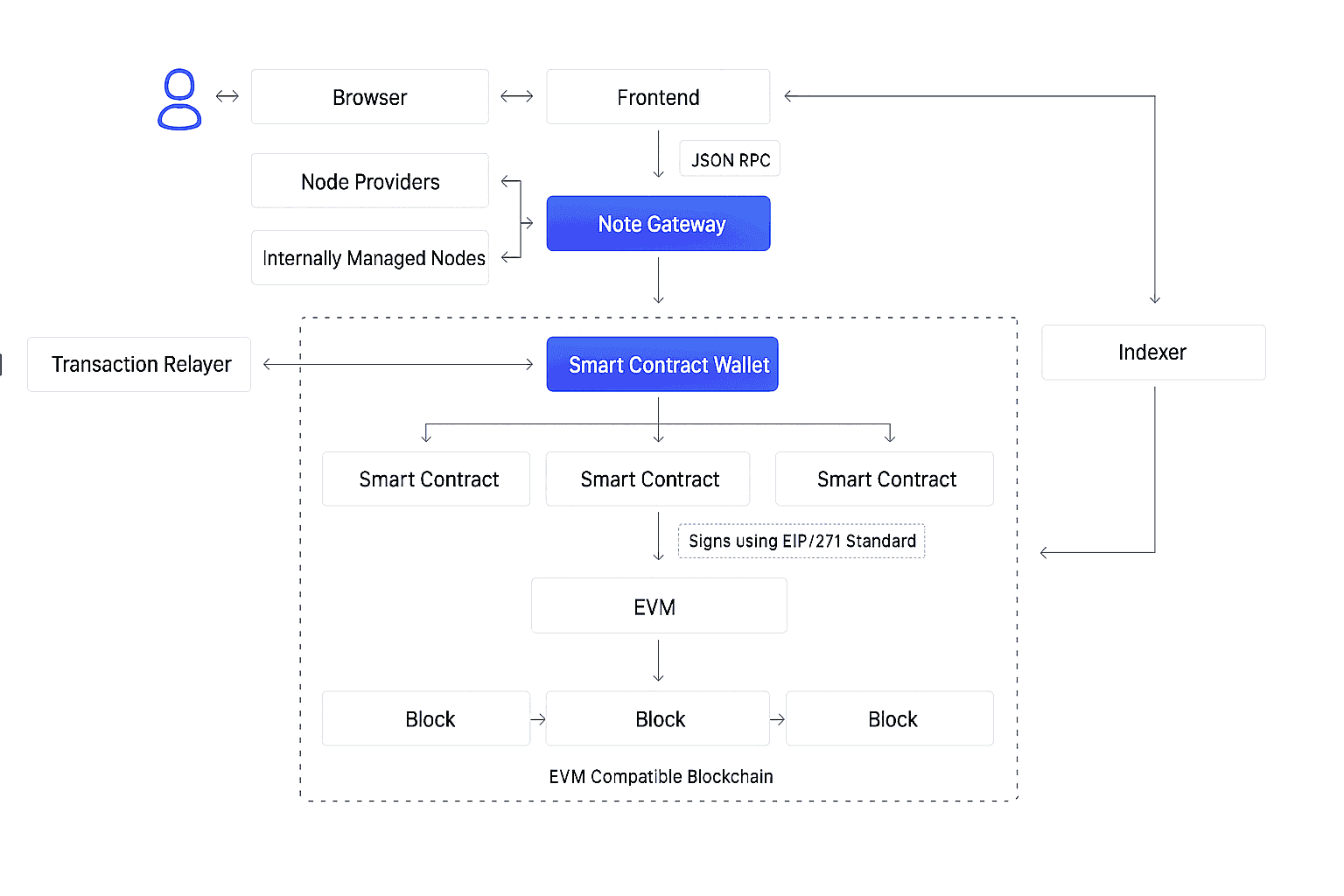
Whether you are dealing with a token, a DeFi platform, or a non-fungible token collection, understanding the contract address helps you interact with blockchain applications more safely and accurately.
Summary
A contract address is the permanent blockchain identifier for a deployed smart contract. It allows applications and users to send information, trigger functions, review metadata, and verify activity on-chain. Knowing how to locate and confirm the correct address can help reduce mistakes, improve privacy awareness, and make interactions with digital assets far more secure.


No comments yet. Be the first to share your thoughts.